

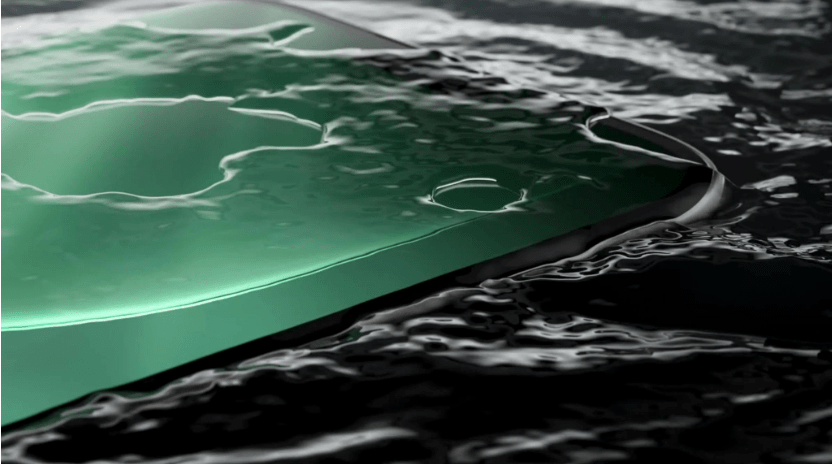
 When a Pakistani buyer goes to a mobile shop or a comparison site, they look at camera megapixels, RAM, battery, and price. Almost nobody thinks about waterproofing, even when Pakistan has monsoon rains, extreme heat, dusty roads, and mountain travel. Also, this country has some of the most visually spectacular water bodies in the world.
IP protection is not an extra. In 2026, it is one of the most practical smartphone features a buyer can invest in, and IP69K rating is the reason why a device is considered the best mobile in Pakistan.
Why Waterproofing in Smartphones Became a Competitive Standard
Waterproofing on consumer phones launched in early 2016, and with an IP68 rating which was at the time the premium standard of protection against water and dust. This allowed users to enjoy a sleek design without the inconvenience of a bulky protective case. Before that, waterproof meant rugged and thick, which was not for everyday users.
The moment IP68 was introduced on a smartphone, the industry changed. Buyers realised they could have both good design and water protection and within two years, every major flagship brand followed with their own IP certifications.
The next evolution came when IP68 alone was no longer enough to differentiate. From 2025 onward, IP69 has moved from being an industrial-only rating to appearing on mainstream consumer smartphones. With this combination of multiple ratings became a new marketing standard that was designed to demonstrate protection across all major test scenarios.
What was once a unique selling point for a PKR 300,000 phone is now a feature being pushed into mid-range smartphones. Buyers can now get a level of water protection that was unreachable in this price range just three years ago.
The Difference Between IP69K and IP68

IP68 and IP69K test for completely different things. This difference is what separates a phone that survives a pool accident from one that survives everything Pakistani weather and lifestyle can throw at it.
In IP68 tests, the phone is placed in still water at a specified depth for 30 minutes. This is the standard that protects against dropping your phone in a sink, a puddle, a swimming pool, or a river. It is a useful protection, and most buyers in Pakistan would never need more than this in a single incident.
On the other hand, IP69K tests pressure, not just depth. IP69 is about surviving: high-pressure
- High-temperature water jets
- Extreme dust exposure
- Submersion in shallow water
The test involves water sprayed at close range from multiple angles at 100 bar of pressure and up to 80°C temperature. No still water test comes close to replicating this.
Why do these tests matter? Because monsoon rain in Lahore or Karachi arrives in heavy, windswept downpours where water hits the phone from above, below, and sideways at the same time. Standard IP68 is tested against calm water. IP69K is tested against force. The two scenarios are genuinely different.
Some smartphones now feature dual IP68 and IP69 certification to make clear that the device is both waterproof for submersion and resistant to strong water sprays. A best Android phone in Pakistan like the TECNO Camon series holds all four ratings altogether, IP66, IP68, IP69, and IP69K, covering every possible water scenario.
What The Phone Brands Don’t Advertise About Waterproofing
The thing about waterproofing is that almost no phone brand tells buyers the seals that create water resistance wear down with regular use, drops and thermal expansion. A phone rated IP68 when new may not hold the same rating after 18 to 24 months of heavy use. Water protection is not permanent; it degrades.
A phone that’s waterproof on day one won’t stay that way for a long time. A year of minor drops, daily bumps, summer heat, and just the general wear and tear of sliding in and out of your pocket naturally wears down the seals. The protection level you bought is not the protection level you will always have.
Most phones sold as waterproof are actually water-resistant under lab testing conditions as they survived controlled exposure testing, not a full season of real-world conditions.
The best thing that you can do is buy a phone with a higher base certification, IP69K instead of IP68, that gives you more margin. As the seals degrade over time, a phone that started at IP69K will still be protective at the point where an IP68 phone might no longer be.
What IP69K Protection Actually Means for Pakistani Everyday Life
Pakistan’s July and August rainfall is among the most intense in South Asia. IP69 protection matters more for delivery riders facing monsoon conditions and outdoor fieldwork. Also anyone using their phone in environments where water exposure is sudden, pressurised, and unavoidable, such certified smartphones will remain safe and work for a long time.
For Pakistanis who commute by motorcycle, rickshaw, or on foot during the monsoon, a standard IP68 phone under monsoon rain is not safe whereas an IP69K phone is.
The most common place Pakistani phones are damaged by water is not a lake or swimming pool, it is the kitchen. A phone slipping next to the sink, splashed by dishwashing, or used with wet hands during cooking are all scenarios that IP protection directly addresses.
The IP rating system covers dust as well as water. The “6” in IP66/IP68/IP69K means the phone is completely dust-tight. Smartphone buyers in cities like Faisalabad, Gujranwala, or Quetta, where road dust is a permanent feature of daily life, this is meaningful protection against long-term damage to internal components.
Final Thoughts
Pakistanis only think about waterproofing after something goes wrong. A sudden rainstorm, a dropped phone near water, or months of dust and heat can damage a device long before its battery or camera becomes outdated.
That is why IP protection has become more than a technical need. It is a practical feature that helps a phone survive everyday life in Pakistan.
When comparing smartphones, it is worth looking beyond the camera, processor, and battery. A higher protection rating like IP69K gives you extra confidence that your device can handle the conditions you actually face.