

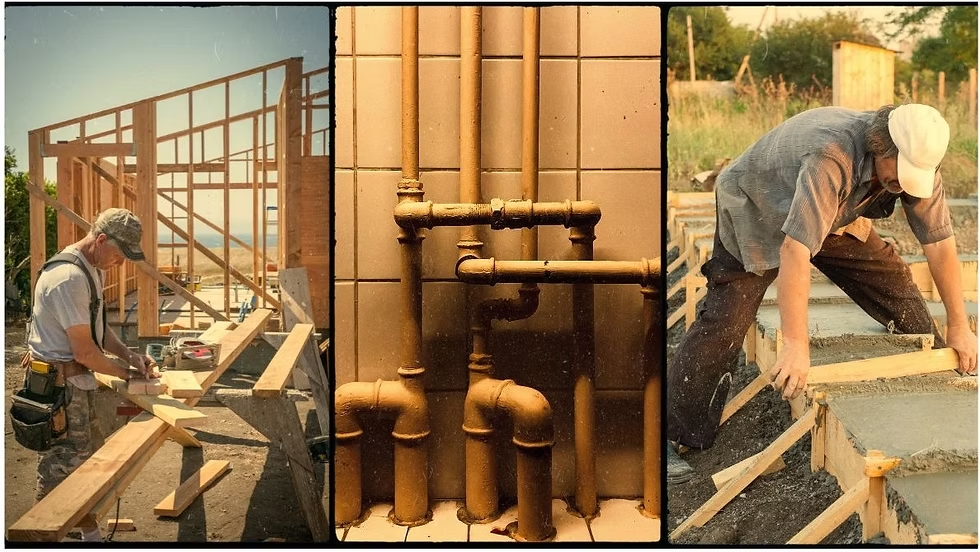
US tradesmen are expected to deliver projects that balance quality, compliance, and client satisfaction. One of the most important distinctions to understand is the difference between structural and cosmetic renovations. Knowing what separates the two can shape everything from project planning and budgeting to inspections and long-term property value.
Understanding structural vs. cosmetic renovations
Structural renovations affect the integrity, stability, and core systems of a building. This includes altering load-bearing walls, modifying foundations, replacing roofing structures, upgrading plumbing or electrical systems, and installing features such as wall insulation to improve energy performance.
Cosmetic renovations, on the other hand, focus on appearance rather than structure. Even small changes, such as upgrading lighting or replacing outdated electrical fittings with modern rocker switches, can significantly improve a home’s look and functionality without altering its structural framework.
For tradesmen, the distinction matters. Structural work typically requires permits, engineering input, and inspections, while cosmetic upgrades are faster to deliver and involve fewer regulatory hurdles.
Navigating building regulations and compliance
Structural renovations almost always require formal approval. Depending on the scope, this may involve obtaining local building permits, conducting inspections, and complying with updated safety codes. While planning permission relates to how a property is used or altered externally, building regulations focus on whether work is carried out safely and up to code.
Building control inspectors play a crucial role in reviewing plans, inspecting works at various stages, and ensuring compliance before sign-off. Failure to secure the right approvals can lead to fines, delays, or costly rework.
Cosmetic renovations rarely require the same level of oversight, but electrical and plumbing updates may still need to meet local code requirements.
Cost and time considerations: what to expect
Structural renovations in the US can range from $20,000 for modest load-bearing alterations to well over $100,000 for major extensions or foundation work. Timelines often span several months, particularly if permits or specialist trades are involved. Delays commonly arise from approval processes, supply chain disruptions, and labour shortages.
Cosmetic projects are generally more predictable. Kitchen or bathroom refreshes may cost between $5,000 and $30,000, with timelines measured in weeks rather than months. Accurate site assessments, realistic scheduling, and contingency budgets help avoid overruns in both cases.
Skills, labour, and industry trends in 2026
The construction sector continues to face skilled labour shortages, while demand for experienced tradesmen grows. Government-backed training initiatives and apprenticeship programmes aim to close the gap, but competition for qualified workers remains strong.
For tradesmen, upskilling in structural systems, energy efficiency, and code compliance offers a competitive advantage. Understanding when a project requires structural expertise versus cosmetic finesse not only ensures compliance but also strengthens reputation and long-term business success.