

Brick buildings are considered strong enough to last forever, but that is not possible without maintenance. With passing time, even the strongest brickwork starts to feel weak, especially in the mortar that holds everything together. This mortar which is also known as pointing plays a big role in keeping your walls stable and protected.
The problem is, most people do not notice the early warning signs. By the time the damage becomes obvious, repairs can get expensive. If you understand these early warning signals you can protect your property and avoid major repairs.
Well, this is what this guide is for. It explains the clear signs that brick pointing is needed and what they mean for your building.
What Is Brick Pointing And Why It Matters
Brick pointing is the mortar placed between bricks to keep them bonded and sealed. It is made in a way to handle weather changes, moisture, and slight movement in the structure. Over time, this material starts to break down due to constant exposure to the elements.
When the mortar weakens, it stops doing its job properly. You may see small gaps begin to appear, and that is when trouble starts. This is where professional brick pointing installation services come in, helping restore both the strength and protection of your brickwork before the damage spreads.
Early Signs That Your Brick Pointing Needs Repair
Below we have listed some signs and situations to help you know that if you see them never ignore them.
Crumbling or Missing Mortar
One of the easiest signs to spot is crumbling mortar. You might notice small pieces falling out or gaps forming between bricks. Sometimes it even looks dusty or powdery.
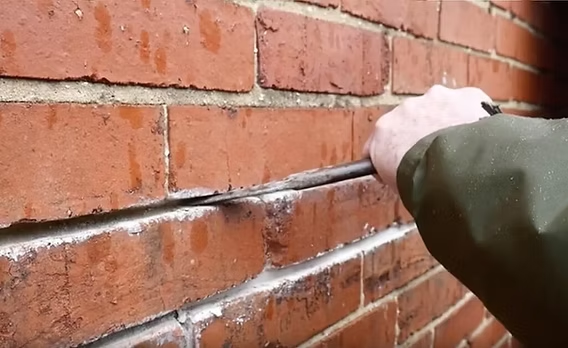
A simple way to check is to lightly scrape the mortar with a key. If it breaks apart easily, it is a clear sign that it needs attention. Leaving it like this can let water seep in and weaken the wall further.
Cracks in the Joints
Cracks in the mortar joints are another common sign. In the start, they may seem small and harmless, but they hardly stay that way. With changing weather and moisture those cracks tend to grow.
Once cracks appear, water can more easily enter the wall. Over time, this can lead to bigger structural issues that are harder and more expensive to fix.
Brick buildings are considered strong enough to last forever, but that is not possible without maintenance. With passing time, even the strongest brickwork starts to feel weak, especially in the mortar that holds everything together. This mortar, which is also known as pointing, plays a big role in keeping your walls stable and protected—a key structural upkeep requirement that aligns with Nebraska Landlord Tenant Law standards for maintaining safe, habitable premises for tenants.”
Loose or Moving Bricks
Bricks should always feel solid and secure. If you notice any movement or slight shifting, it usually means the mortar has lost its strength.
It is again a sign you should not ignore. Loose bricks can affect the stability of the entire wall. Fixing the mortar early helps keep everything firmly in place.
Damp Walls and Moisture Problems
Moisture is one of the biggest causes of damage in brick structures. When mortar starts to fail, it allows water to get inside the wall.
You might notice damp patches, peeling paint, or even a musty smell indoors. In some cases, mold can start to develop. These signs often point back to damaged mortar joints that need repair.
White Marks on the Bricks
If you see white, powdery marks on your brick walls, it is usually a sign of moisture movement. This is called efflorescence.
While it may look like a surface issue, it actually shows that water is passing through the brickwork. This often happens when the mortar is no longer sealing the wall properly.
Mortar Wearing Away
Take a close look at the mortar lines. If they appear sunken or worn down compared to the bricks, erosion has taken place.
This creates small gaps where water can collect. Over time, it weakens the bond between bricks and makes the structure less stable.
Cracks Inside Your Home
Sometimes the signs are not just outside. Cracks in interior walls, especially those near exterior brickwork, can be linked to failing mortar.
As the outer wall weakens, it can affect the structure inside. It is always a good idea to check both sides when you notice these issues.
Higher Energy Bills
This one often surprises people. Damaged mortar can let air pass through the walls, making it harder to keep your home warm or cool.
If your energy bills suddenly increase do not ignore the reason, it might not just be your appliances. Small gaps in brickwork can also be part of the problem.
Aging Brickwork
Even if everything looks fine, age still matters. Mortar does not last forever. In most cases, it starts to weaken after 20 to 30 years.
Older buildings are more likely to need repointing, even if the damage is not obvious yet. Regular checks can help you stay ahead of any issues.
When to Call a Professional?
If you notice more than one of these signs, it is best to bring in a professional. Repointing is not just about filling gaps. It requires the right materials and proper technique to make sure the repair lasts.
An expert can assess the condition of your brickwork and recommend the right solution before things get worse.
Final Thoughts
Brick pointing might not be something you think about often, but it plays a big role in keeping your property safe and durable. The signs are usually right in front of you, from crumbling mortar to damp walls and loose bricks.
Paying attention to these early warnings can save you from major repairs later. With regular checks and timely fixes, your brickwork can stay strong and look good for many years.