



Your HVAC system works quietly in the background, keeping your home comfortable through every season. But like any appliance, it requires proper care to perform efficiently and avoid premature replacement. Taking a few proactive steps can extend the life of your HVAC system significantly, saving you money on repairs and energy costs in the long run. Whether you’re a new homeowner or someone with years of HVAC experience, there’s always room to optimize how you treat this vital piece of home infrastructure.
Schedule Regular Maintenance
Preventive maintenance is the cornerstone of long-lasting HVAC systems. A certified technician should inspect your unit at least twice a year, once before the cooling season and once before the heating season. These routine visits often include cleaning coils, checking refrigerant levels, and ensuring the thermostat is functioning correctly.
During these appointments, your HVAC expert can spot small problems before they become expensive repairs. A clogged drain line or dirty filter might seem like a minor issue but can place unnecessary strain on the entire system, reducing its efficiency and lifespan. If you neglect this step, even a brand-new unit might struggle to last a decade.
Trust Reliable HVAC Service Providers
It’s crucial to choose experienced and reputable professionals when it comes to servicing or repairing your system. Homeowners often search for providers who respond quickly and offer long-term solutions instead of temporary fixes. Companies like Pure Air Cooling & Heating emphasize preventive care and high-quality components, both of which are critical for maximizing system longevity. These experts provide helpful advice tailored to your system’s brand and model.
Rather than applying a one-size-fits-all approach, reliable HVAC specialists consider your home’s unique climate conditions and energy needs when recommending tune-ups, upgrades, or maintenance schedules.
Replace Filters Consistently
Air filters trap dust, allergens, and other pollutants before they circulate through your home. These filters become clogged and force your system to work harder. A dirty filter can reduce airflow, which increases energy use and stresses the components of the unit.
Experts recommend replacing filters every 1–3 months, depending on the type of filter, the presence of pets, and household allergy concerns. If your HVAC system is running constantly, such as during summer heat waves or winter cold snaps, more frequent changes are important. Installing high-efficiency filters can boost air quality and reduce strain on the system.
Keep Vents and Ductwork Clear
Even the most powerful HVAC system can’t work efficiently if air can’t circulate properly. Furniture, rugs, or clutter can block air vents, preventing warm or cool air from reaching every part of your home. Blocked vents cause uneven temperatures and may lead to overuse of the system as it tries to compensate.
Having your ductwork professionally cleaned every few years ensures that dust, mold, or debris doesn’t restrict airflow. Leaky or poorly insulated ducts can reduce system efficiency by up to 30%, according to the U.S. Department of Energy. Proper insulation and sealing protect the equipment and keep your utility bills in check.
Adjust Thermostat Settings for Efficiency
Smart or programmable thermostats are game changers when it comes to reducing wear and tear. These devices allow you to set heating or cooling schedules that match your lifestyle. Lowering the temperature slightly when you’re away or asleep gives your HVAC system valuable rest time.
Avoid setting the thermostat at extreme temperatures in hopes of speeding up the heating or cooling process. Doing so puts a sudden load on the system without actually improving performance. Instead, aim for gradual changes and energy-saving presets to maintain comfort while protecting your equipment.
Improve Home Insulation and Sealing
Poor insulation forces your HVAC system to work overtime to maintain a comfortable temperature. If your home loses heat in the winter or lets in too much heat in the summer, your unit runs more frequently and wears out faster.
Simple improvements like sealing window and door gaps, adding weatherstripping, and upgrading attic insulation can make a huge difference. The less your system has to compensate for external temperatures, the longer its internal components will last. Investing in energy-efficient windows and doors can complement your HVAC system’s efforts, creating a more stable indoor climate.
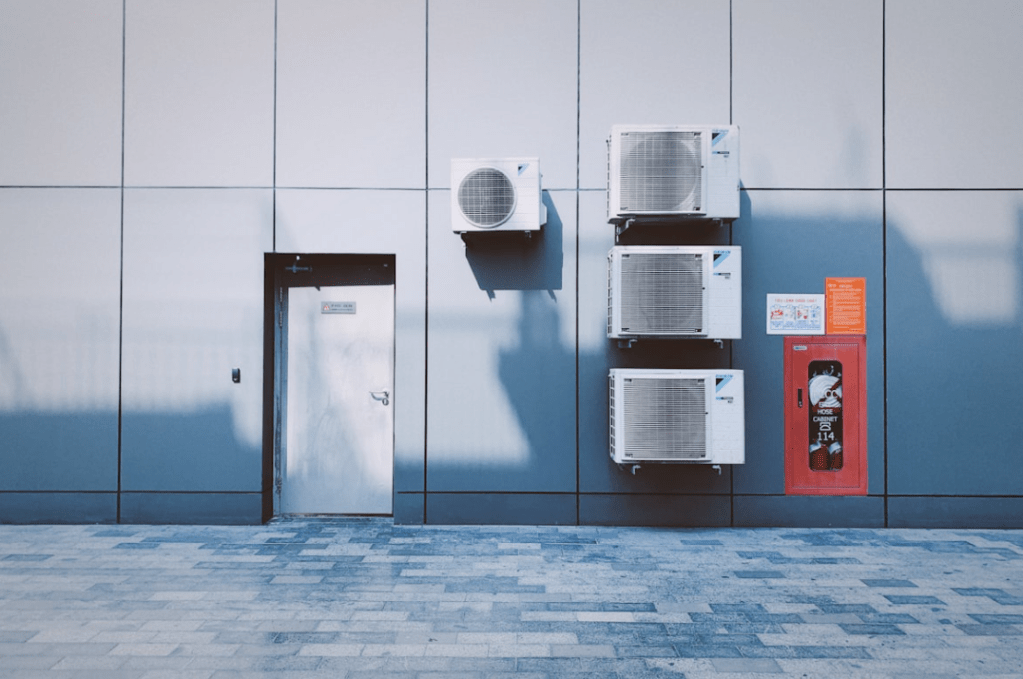
Keep the Outdoor Unit Clear
Your HVAC’s outdoor unit needs room to breathe. It requires proper airflow to function efficiently during peak operating months. Debris such as leaves, dirt, grass clippings, and even snow can obstruct airflow or cause internal components to overheat.
Make a habit of checking the area around the condenser unit every few weeks. Trim nearby plants and keep a two-foot clearance around the equipment. During seasons with frequent storms, it may be necessary to check the unit more often. Installing a cover during the off-season can protect it from environmental wear.

Extending the life of your HVAC system isn’t just about saving money; it’s about creating a comfortable, healthy, and energy-efficient living environment. By staying consistent with maintenance, choosing trusted service providers, and making small but impactful changes in how you manage airflow and temperature, you can ensure your HVAC system runs smoothly for years. Think of these tips not as chores but as investments in your home’s long-term value and your family’s daily comfort.