



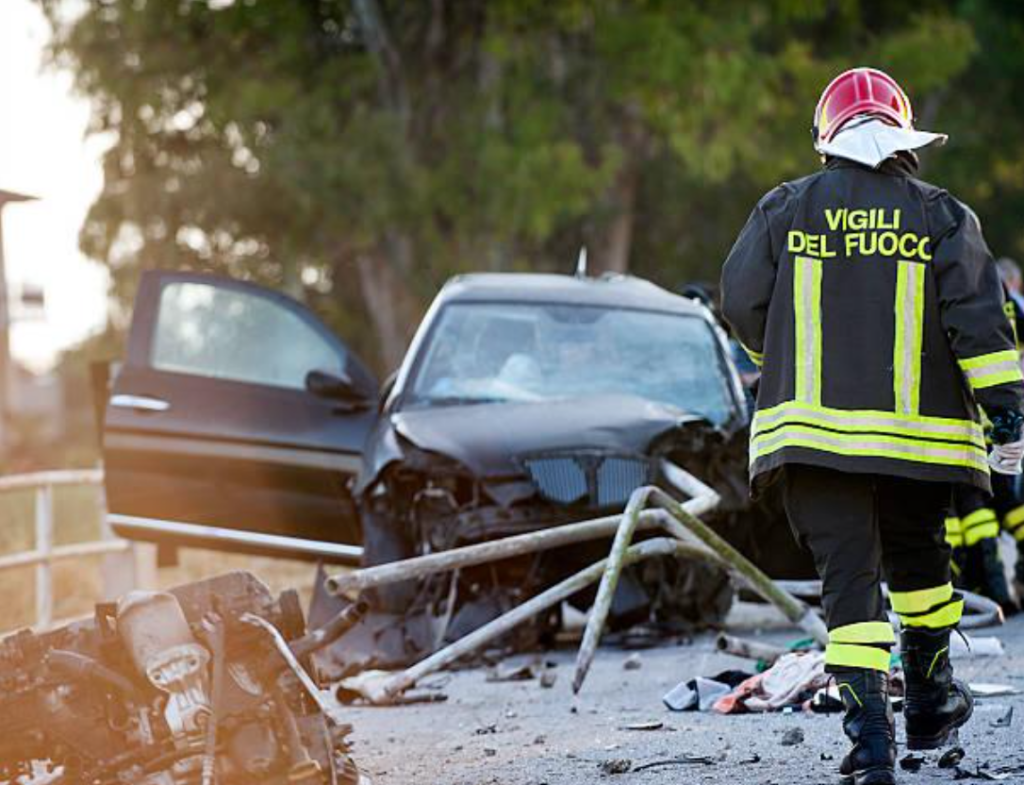
Speed limits are an integral element of safety for the driver, the passenger, pedestrians, and the community. Some drivers think of speed limits as suggestions; however, it’s important to know that these suggestions do a lot to keep them and others safe.
Following the speed limit will help avoid an accident and keep all the people on the road safe. If you’re involved in an accident, seek advice from experienced auto accident attorneys, and they will explain your rights and options.
Here’s why speed limits exist and what can happen if you break them.
Why Speed Limits Are Present
The leading basis for speed limits is considered to be safety. The faster a driver travels, the less time he may have to react in case of sudden dangers such as pedestrians and cyclists or sudden obstructions on his path. By enforcing a maximum speed, the authorities would want to lessen the chances of accidents and injuries.
- Road Conditions: Setting speed limits largely depends on the road conditions. These take into consideration the type of road, the pattern of flow of traffic, and other factors. For example, residential areas have lower speed limits to protect children who may be playing and pedestrians. Highways allow for higher speeds since the view is better with fewer stops.
- Vehicle Performances: These differ from one car to another, especially in terms of acceleration, braking, and handling. In the presence of a speed limit, it is possible that all vehicles will be able to drive within their limit, which lowers the likelihood of losing control.
- Traffic Flow: Consistent speed limits ensure smoother flow. When all vehicles travel at nearly the same speed, fewer lane changes, tailgating, and other acts of aggressive driving occur. This reduces congestion and the efficiency of the overall roadway.
- Legal Framework: Speed limits are part of the legal framework governing road use. They are established by local and state authorities based on extensive studies and assessments. Adhering to these laws is essential for maintaining order on the roads.
Why You Shouldn’t Violate Speed Limits
Overspeeding increases the chances of road accidents. A speeding vehicle has less reaction time, and the crash may be worse. The faster a car is moving, the stronger the force of the crash, which could also increase the chance of injury or death.
- Legal Consequences: Speeding is considered a traffic violation and can lead to legal consequences, including fines, points on your driving record, and even license suspension. Repeat offenders may face harsher penalties and increased insurance rates.
- Insurance Implications: Speeding violations can result in higher insurance premiums. Insurance companies view speeding as a risk factor, which can lead to increased costs or difficulty obtaining coverage in the future.
- Impact on Others: Speeding not only puts the driver at risk but also endangers other road users, including pedestrians, cyclists, and other vehicles. The consequences of a speeding-related accident can be devastating for all involved, leading to injuries, loss of life, and emotional trauma.
- Personal Responsibility: Adhering to speed limits is a matter of personal responsibility. Every driver has a duty to ensure their safety and the safety of others on the road. By following speed limits, you contribute to a culture of safety and respect on the roads.
Speed limits are crucial for maintaining safety and order on the roads. They are established based on careful consideration of various factors and serve to protect all road users. Violating speed limits not only increases the risk of accidents but also carries legal and financial consequences.
By understanding the importance of speed limits and committing to safe driving practices, you contribute to the safety of everyone on the road.