



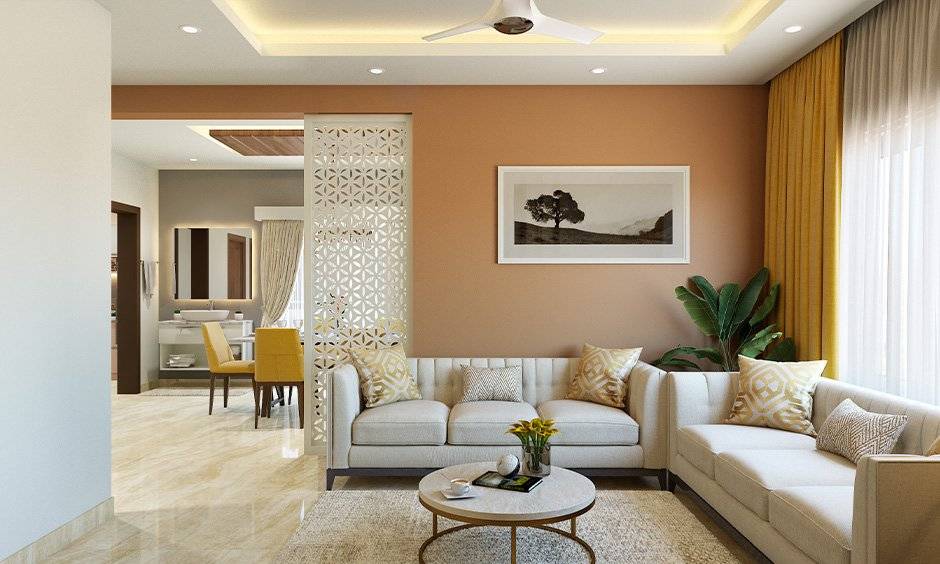
Interior design is far more than arranging furniture or choosing colors; it is the art and science of creating living spaces that are both aesthetically pleasing and functionally efficient. A well-designed interior reflects personality, enhances comfort, and supports the daily lifestyle of those who inhabit it. From selecting color palettes and furniture layouts to optimizing lighting and materials, interior design integrates multiple elements to achieve harmony, balance, and a sense of cohesion throughout a home.
Whether you are renovating, building a new home, or simply refreshing your living space, the principles of interior design can profoundly affect how a space feels and functions. Thoughtful design creates an environment that nurtures well-being, promotes productivity, and elevates the overall experience of living within the home. It is an investment that goes beyond appearance, influencing both the quality of life and the long-term value of the property.
Understanding Interior Design and Its Importance
At its core, interior design combines creativity, functionality, and technical knowledge. It considers factors such as space utilization, lighting, color psychology, material selection, furniture arrangement, and architectural features to create cohesive and inviting interiors. A successful interior design approach ensures that each room serves its purpose while contributing to the overall harmony of the home.
The importance of interior design extends beyond aesthetics. Poorly designed spaces can feel cramped, chaotic, or uncomfortable, even if they are spacious or luxurious. Conversely, a thoughtfully designed interior enhances natural flow, maximizes usable space, and creates an environment that supports relaxation, productivity, and social interaction. Every choice—from the type of flooring to the texture of fabrics—plays a role in shaping the mood and functionality of a room.
Professional interior designers bring expertise in blending style with practicality. They anticipate challenges, plan layouts efficiently, and select materials and finishes that stand the test of time. Their guidance ensures that spaces are not only visually appealing but also safe, durable, and adaptable to changing needs.
Key Elements of Interior Design
Interior design is a complex process that incorporates several interconnected elements. Understanding these fundamentals helps homeowners make informed decisions and achieve cohesive results:
1. Space and Layout
Space planning is the foundation of interior design. It involves arranging furniture and architectural elements in a way that optimizes flow, accessibility, and functionality. Effective layout considers traffic patterns, room proportions, and focal points to create spaces that feel natural and comfortable.
2. Color and Texture
Color selection impacts mood, perception of space, and overall harmony. Warm tones can create intimacy and comfort, while cool colors evoke calmness and openness. Texture adds depth and visual interest, whether through fabrics, wall finishes, flooring materials, or decorative accents. Combining textures and complementary colors creates layered, engaging environments.
3. Lighting Design
Lighting is both functional and aesthetic. Properly designed lighting enhances mood, highlights architectural details, and ensures practicality for daily activities. Ambient, task, and accent lighting work together to create a balanced and inviting atmosphere throughout a home.
4. Furniture and Accessories
Furniture selection and placement define how a space is used and experienced. Designers balance scale, proportion, and style to create cohesion with other elements. Accessories such as artwork, rugs, and decorative objects add personality and emphasize design themes.
5. Materials and Finishes
Choosing appropriate materials is crucial for durability, comfort, and style. Flooring, countertops, cabinetry, and wall finishes must align with both aesthetic goals and functional requirements. Attention to finishes ensures a polished look and contributes to the longevity of interior surfaces.
6. Functionality and Flow
A successful design prioritizes usability. Rooms should accommodate intended activities comfortably while maintaining an intuitive flow between spaces. Functional design reduces clutter, maximizes efficiency, and improves daily living experiences.
Interior Design Styles and Their Impact
One of the most exciting aspects of interior design is the wide range of styles available. Each style evokes different moods, complements different architectural types, and reflects the personality of the homeowner. Some popular styles include:
- Modern: Characterized by clean lines, minimalistic furniture, neutral colors, and open spaces.
- Contemporary: Emphasizes simplicity, natural materials, and subtle accents with current design trends.
- Classic/Traditional: Incorporates ornate details, rich textures, and symmetrical layouts that evoke elegance.
- Industrial: Features raw materials, exposed structures, and a mix of metal, wood, and concrete finishes.
- Scandinavian: Focuses on functionality, simplicity, light colors, and natural elements to create calm, airy spaces.
- Bohemian: Celebrates eclectic patterns, textures, and vibrant colors for a personalized, artistic environment.
A professional interior designer can help homeowners select a style that complements the home’s architecture and meets functional needs while ensuring cohesion across all rooms.
The Role of Lighting in Interior Design
Lighting is one of the most transformative elements of interior design. It affects mood, perception of space, and the visual appeal of textures and colors. Ambient lighting provides general illumination, task lighting supports specific activities such as reading or cooking, and accent lighting highlights architectural features or decorative elements.
Natural light is equally important. Strategic window placement, reflective surfaces, and light-enhancing materials maximize sunlight and create a warm, inviting environment. Interior designers often plan layouts and finishes with natural and artificial lighting in mind to ensure balanced illumination throughout the day and night.
Function and Style
A hallmark of successful interior design is the balance between beauty and functionality. Homes are lived in, not just admired, and each element should enhance usability without sacrificing style. Storage solutions, ergonomic furniture, and practical materials contribute to functionality, while design consistency, color schemes, and textures maintain aesthetic appeal.
For example, a living room should be visually inviting while accommodating seating for daily activities and social gatherings. A kitchen should blend attractive finishes with durable surfaces that withstand heavy use. Designers carefully integrate these considerations to create spaces that work for real life.
Personalization and Emotional Connection
Interior design is deeply personal. A home should reflect the tastes, values, and lifestyle of those who live in it. Incorporating personal touches, meaningful artwork, family heirlooms, and curated decor ensures that the space feels authentic and welcoming.
A professional designer can translate these personal preferences into a cohesive design concept that balances individuality with timeless appeal. By combining personal style with expert principles, interior design creates not just visually stunning spaces but emotionally resonant homes.
Sustainability in Interior Design
Modern interior design increasingly considers sustainability and environmental impact. Choosing eco-friendly materials, energy-efficient lighting, and sustainable furniture reduces a home’s carbon footprint and supports healthier living conditions. Interior designers can recommend low-VOC paints, recycled or responsibly sourced materials, and products designed for longevity.
Sustainable design does not compromise aesthetics. On the contrary, it encourages creativity and thoughtful material choices that contribute to beautiful, resilient, and environmentally responsible interiors.
Why Professional Interior Design Matters
While DIY design projects can be enjoyable, professional interior design offers unmatched advantages. Designers bring technical expertise, project management skills, and access to resources that streamline the process. They anticipate challenges, coordinate contractors, and ensure that every element aligns with the overall vision.
The result is a cohesive, functional, and visually appealing home that meets both immediate needs and long-term goals. Homeowners benefit from improved comfort, enhanced aesthetics, increased property value, and a space that supports their lifestyle in every way.
Conclusion:
Interior design is more than decoration; it is the intentional shaping of environments to enhance comfort, functionality, and visual appeal. From color selection and furniture arrangement to lighting, materials, and personalization, every decision contributes to the overall experience of living in a home.
Engaging in thoughtful interior design whether independently or with the guidance of a professional ensures that every space serves its purpose while reflecting personality and style. A well-designed home is not only beautiful to look at but also promotes well-being, supports daily life, and leaves a lasting impression. Interior design is, ultimately, an investment in both quality of life and the enduring value of the home itself.