



Forced air heating systems are one of the most common ways homes stay warm, especially in colder climates where reliable heat is necessary. These systems use a furnace and a network of ducts to push heated air through vents in each room, quickly warming the house.
This heating type is effective and widely appreciated for its simplicity and ease of use. It’s something that many homeowners count on year in and year out because it will always produce heat when it’s needed most. Its comfort and fast response time make it a favorite among families who desire a warm house in winter.
Moreover, forced air heating systems can come with air conditioning units too, so when it comes to all-year-round comfort for your indoors, this can be an all-in-one convenient solution. Also, with proper maintenance over time, they can stay efficient and reliable for decades to come, and hence, they are a wise investment for new construction and renovation.
This article explores what forced air systems are, their functioning, advantages and limitations, safety factors, and how to maintain them well.

1. How Forced Air Heating Systems Work?
To get a real sense of the pros and cons of forced air heating, it’s helpful to understand how it functions.
Forced-air systems function through an alliance of pieces—primarily a furnace, a network of ducts, and vents in each home. These pieces work together in an efficient and ongoing cycle to heat and comfort your home.
The cycle begins when the furnace burns a fuel source like natural gas, oil, or electricity to produce heat. Next, a blower fan comes into action to force the hot air through the ducts. These ducts deliver the warmed air to vents in every room and distribute it throughout your house.
As it self-cools, it travels through return ducts and back to the furnace to be reheated. Along the way, a unique thermostat tracks room temperatures and activates the request for or off the furnace to balance out and work efficiently. That cycle repeats as necessary to provide warmth where and when needed.

2. Benefits of Forced Air Heating Systems
Forced air systems are popular in many homes because they work and are practical. One of their best features is how fast they heat a space. When the furnace kicks on, the blower sends warm air through the ducts, and rooms feel cozy in minutes.
They’re also a great value when it comes to energy use. Many modern forced air systems are designed to be efficient so homeowners can keep their heating bills in check without sacrificing comfort. Regular maintenance will only help with that over time.
Another plus is that the installation is easy. Since the same ductwork can be used for heating and cooling, the setup is less complicated than systems that require separate components. That means less disruption during installation and lower overall cost.
And on top of that, forced air systems are flexible. You can add on things like air filters, humidifiers or purifiers to improve indoor air quality, so they’re a great option for those who want warmth and clean air in one system.
3. Drawbacks of Forced Air Heating Systems
Although there are numerous benefits in forced air systems, you must also be familiar with their drawbacks. If left unchecked, these setbacks can impact comfort, efficiency, and air quality.
One of the frequent problems is noise. Blowers and furnaces are louder than other heating units, especially when starting or stopping the fan. The noise won’t annoy everyone, but it will be heard in a room with little activity.
Another area of concern would be air quality. With ductwork that is not cleaned routinely or filters not being rotated on time, dust, pollen, and allergens move through the house. This can become problematic for people with allergies or breathing sensitivities, so routine maintenance is needed.
The heating can become imbalanced, too. The rooms closer to the furnace or to vents will become warm sooner, while those farther away won’t be so warm. Maintaining the house at one temperature is difficult without a zoning system.
Additionally, ductwork installation contributes to an overall higher expenditure. Replacing or installing ducts can be costly, particularly in older houses with space limitations or structural issues. Periodic check-ups and maintenance can reduce this to a degree, but maintenance will be continuous to maintain all in proper function.
4. Safety and Maintenance Tips
Keeping your forced air heating system safe and running smoothly is crucial for comfort and peace of mind. Simple habits can make a big difference in how well your system works and how long it lasts.
One of the biggest things you can do is change the air filters. Clean filters keep the air fresh, allowing better airflow and reducing the furnace strain. This step helps the system run more efficiently and keeps energy use in check.
Regular professional inspections are also a must. During a yearly check-up, a technician can clean the furnace, check for gas leaks, test safety switches and make sure all components are working properly. These visits can catch small issues before they become big problems.
Also, keep the area around the furnace clear. Don’t store anything flammable—like paint cans, paper or boxes—near the unit, as this could become a fire hazard.
Don’t forget about carbon monoxide detectors, especially if your system uses gas or oil. A working detector gives you extra protection by alerting you to unsafe levels of this invisible gas.
5. Comparing Forced Air to Other Heating Systems
It’s good to see how forced air stacks up against other popular options when considering different ways to heat a home. Each has pros and cons; the best choice often depends on your home’s layout, budget and comfort needs.
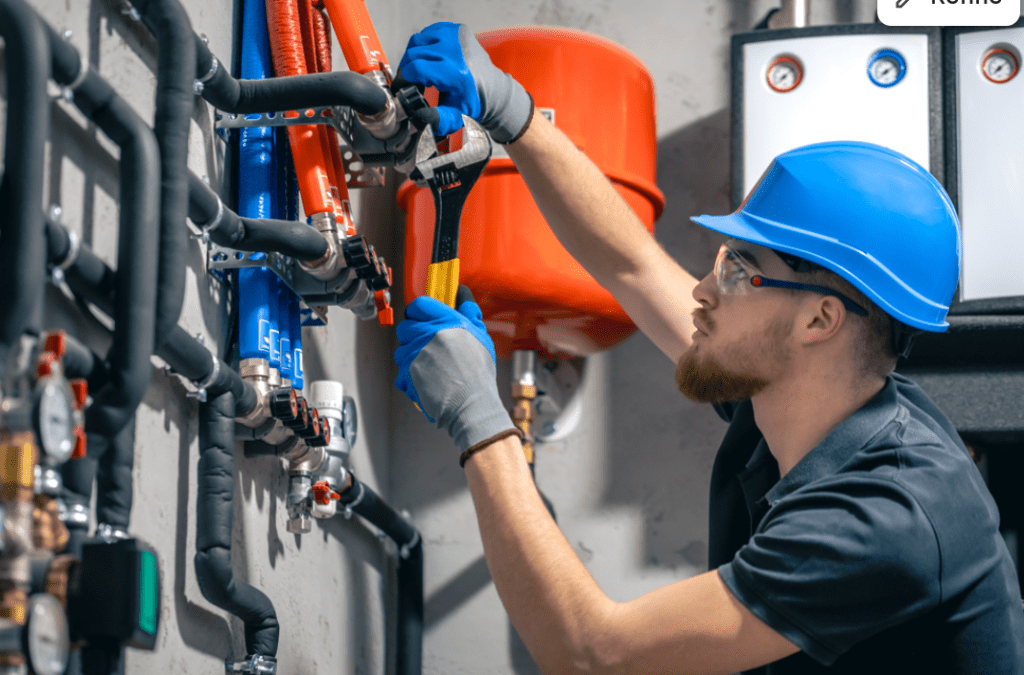
Boiler systems use water instead of air to produce heat. They work by sending hot water through pipes to radiators or baseboards. These are quiet and provide steady, even heat. But they don’t cool and require separate piping, making installation more complex and expensive.
Geothermal heat pumps are another option. They tap into the stable temperature underground to heat and cool a home. These are extremely energy efficient and eco-friendly, but installation can be expensive, especially if significant digging or drilling is required.
Compared to these systems, forced air stands out for its balance of performance and convenience. It heats and cools through the same set of ducts, making it a practical all-in-one solution. It’s also widely used, easy to service, and fits most modern home designs.
Final Thought
Forced air heating systems are easy, work great, and most people are familiar with them. They use a furnace, thermostat and ductwork to warm and cool rooms. However, some downsides exist, such as noise and air quality issues; regular maintenance and smart upgrades can fix most of that.
Knowing how forced air systems work and the pros and cons will help you choose the right heating system for your home. With good maintenance and safety in mind, a forced air system can provide years of comfort.