



Motor vehicle accidents have far-reaching consequences, extending beyond visible physical injuries to leave lasting emotional and psychological scars that profoundly impact victims’ daily lives. The assessment of accident-related trauma demands a comprehensive evaluation of both physical and psychological damages to ensure adequate compensation and tailored recovery support.
For individuals affected, recognizing the full scope of emotional trauma is vital for securing fair claim resolution, accessing necessary resources, and embarking on a path toward complete physical, emotional, and psychological recovery.
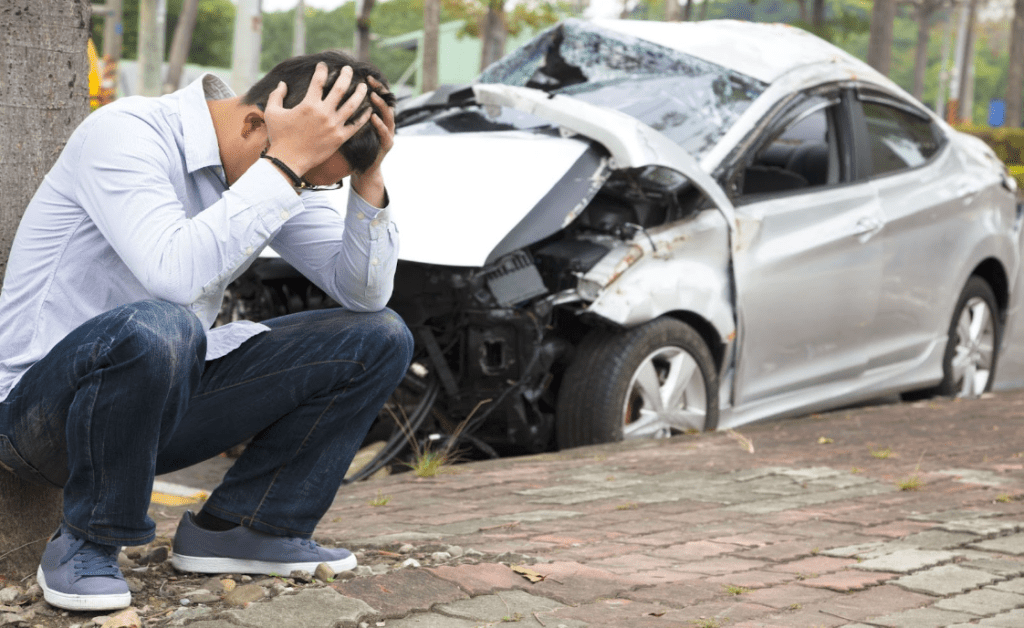
Why is Emotional Trauma Overlooked?
Emotional trauma, also known as psychological or mental trauma, refers to the emotional and psychological distress that can result from a motor vehicle accident. This can include anxiety, depression, post-traumatic stress disorder (PTSD), and other mental health conditions. Despite its prevalence, emotional trauma is often neglected in motor vehicle accident claims. There are several reasons why emotional trauma is frequently overlooked. Emotional trauma lacks visible evidence, making it harder to recognize and diagnose, unlike physical injuries that leave obvious scars.
The stigma surrounding mental health issues can prevent victims from openly discussing their emotional struggles due to feelings of embarrassment or shame. Insurance companies and medical professionals often prioritize physical injuries, inadvertently leaving emotional trauma unaddressed, which can exacerbate the problem.
Riders who got into a crash around Tennessee’s Hamilton County like to get in touch with this motorcycle injury lawyer in Chattanooga who will additionally argue the emotional impact as part of the damages. This ensures that both physical and psychological suffering are recognized in the pursuit of fair compensation.
What Makes Emotional Trauma Different from Physical Injuries?
Emotional trauma, unlike visible physical injuries, develops subtly and often requires specialized assessment. Recognizing the differences in how these injuries present can aid in accurate and comprehensive accident claims. Here are the core considerations:
Recognition Challenges
Emotional trauma manifests through various symptoms that may not appear immediately after an accident. These manifestations include:
- Anxiety and depression
- Post-traumatic stress disorder
- Sleep disturbances
- Social withdrawal
- Behavioral changes
Understanding these symptoms helps identify and document emotional trauma effectively.
Documentation Requirements
Proper documentation ensures consideration of emotional trauma when seeking compensation for your injury claims. The comprehensive documentation supports the emotional trauma claims effectively. Evidence collection should include:
- Professional psychological evaluations
- Treatment records
- Personal impact statements
- Witness testimonies
- Daily activity logs
When dealing with an accident claim, it can be helpful to work with a personal injury attorney who understands the importance of emotional trauma. They can help you build a case for compensation for your injury, which can include mental and emotional suffering in addition to physical injuries. By partnering with a knowledgeable attorney, you can ensure that your emotional trauma is adequately represented and compensated, facilitating a more comprehensive recovery.

How Does Emotional Trauma Impact Daily Life?
Accident-related emotional trauma profoundly impacts daily life, triggering significant lifestyle changes and challenges. Professionally, it can lead to reduced productivity, increased anxiety, concentration difficulties, and altered career paths, ultimately resulting in substantial financial and career consequences. Personally, emotional trauma strains relationships through communication difficulties, trust issues, social withdrawal, family tension, and intimacy challenges, causing lasting effects on overall well-being and connections with loved ones.
According to a 2022 study by the American Psychological Association (APA), approximately 36% of adults experience significant stress and anxiety after experiencing a traumatic event, such as a motor vehicle accident. Seeking professional help and support is important for mitigating the long-term effects of emotional trauma and promoting a successful recovery.
What Barriers Prevent Proper Recognition?
Several factors contribute to the overlooking of emotional trauma in accident claims, hindering proper compensation and treatment. Insurance industry practices, such as focusing on physical injuries, limiting psychological coverage, and stringent proof requirements, pose significant challenges. Societal factors like mental health stigma, misconceptions about trauma, gender expectations, cultural differences, and social pressure discourage victims from acknowledging and seeking treatment for emotional trauma.
Understanding these insurance and social barriers is necessary for developing effective claim strategies and ensuring victims receive the support they deserve.
How Can Victims Ensure Recognition of Emotional Trauma?
Taking proactive steps helps ensure proper consideration of emotional trauma in accident claims. Effective documentation is key, including regular therapy sessions, detailed symptom journals, impact statements, professional assessments, and support group participation. Additionally, seeking essential professional assistance from mental health professionals, legal representation, medical specialists, support groups, and rehabilitation experts provides crucial support for claim development.
By adopting this comprehensive approach, individuals can strengthen their emotional trauma claims and secure the necessary resources for a successful recovery.
What Treatment Options Support Recovery?
Understanding effective treatment options empowers accident victims to pursue meaningful care and strengthens their compensation claims. Here are the primary treatment paths to consider:
Therapeutic Approaches
Therapeutic approaches play a key role in addressing emotional trauma after an accident, requiring a special treatment plan to facilitate recovery and healing. Effective treatment methods include:
- Individual counseling
- Group therapy
- EMDR (Eye Movement Desensitization and Reprocessing) therapy
- Cognitive behavioral therapy
- Medication management
By leveraging these evidence-based therapies, individuals can regain control over their emotional well-being, alleviate symptoms, and manage the path to long-term recovery successfully.
Support Systems
Emotional recovery from accidents relies heavily on a strong support network, encompassing family involvement, peer support groups, professional networks, community resources, and online communities, which collectively provide vital emotional support and foster resilience during the healing process.
Conclusion
Recognition and proper compensation for emotional trauma in motor vehicle accident claims requires a comprehensive understanding and a systematic approach. Success demands careful documentation, appropriate professional support, and effective legal representation. Through proper acknowledgment and support of emotional trauma claims, victims can receive appropriate compensation while achieving meaningful recovery.