



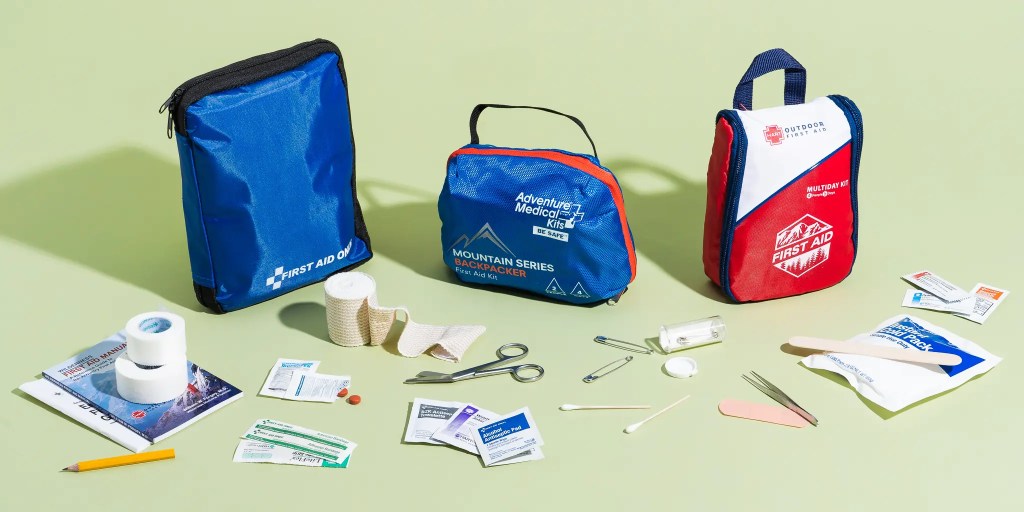
Open the average household first aid box, and you will likely find a familiar assortment of items. There are probably adhesive strips in various sizes, a tube of antiseptic cream, perhaps a few alcohol wipes, and a roll of thin gauze. These tools are fantastic for the minor mishaps of daily life—the paper cuts, the scraped knees, and the kitchen slip-ups. However, there is a significant gap between handling a minor nuisance and managing a critical situation.
True preparedness requires looking beyond the “boo-boo” scenarios. Accidents happen when we least expect them, whether on a remote hiking trail, during a DIY home renovation project, or on the highway. In these moments, standard thin gauze won’t cut it. This is why incorporating professional-grade trauma bandages for emergency kits is not just an upgrade; it is a necessity for anyone serious about safety.
Our mission is to bridge the gap between professional first responders and the everyday hero. We believe that having the right tools on hand transforms a feeling of helplessness into a position of empowerment.
The Difference Between Covering and Controlling
To understand why a trauma bandage is essential, we have to look at the mechanics of injury. A standard bandage is designed to cover a wound. Its primary job is to keep dirt out and keep the area clean while the body does the work of clotting.
A trauma bandage, conversely, is an active device. It doesn’t just cover; it controls.
When a serious injury occurs, specifically one involving significant bleeding, the priority is hemorrhage control. Standard gauze requires manual pressure—someone has to press down hard on the wound, often with both hands, to stop the flow. This effectively removes the rescuer from doing anything else.
Our specialized trauma bandages are engineered with built-in pressure bars and sterile, non-adherent pads. This design allows the bandage itself to apply the necessary pressure directly to the wound site. Once secured, it acts as a tourniquet-like device or a pressure dressing that frees up the rescuer’s hands. This engineering marvel turns a simple roll of fabric into a life-saving medical device.
The Golden Window of Response
In emergency medicine, there is a concept often referred to as the “Golden Hour,” but when it comes to severe bleeding, we are often talking about platinum minutes.
Emergency services are vital, but they are subject to distance, traffic, and availability. In those initial moments after an accident, you are the first responder. The equipment you have on hand dictates what you can do.
Including trauma bandages for emergency kits means you are buying time. You are stabilizing a situation that could otherwise deteriorate rapidly. By stopping the bleed immediately with high-quality gear, you preserve the injured person’s condition until professional medical help arrives. This capability is the ultimate service we provide: the ability to act decisively when time is the most valuable currency.
Engineered for Stressful Environments
One of the overlooked aspects of emergency response is the physiological response of the rescuer. When an accident happens, adrenaline spikes. Fine motor skills often degrade. Hands might be shaking, or the environment might be dark, wet, or chaotic.
We provide trauma bandages designed specifically for these high-stress realities. They are intuitive. Unlike complex medical equipment that requires years of schooling to master, a high-quality trauma bandage is designed for rapid application.
The packaging is easy to tear open, even with gloves on. The rolling mechanism is designed to prevent the bandage from unspooling uncontrollably and dropping into the dirt. Every aspect of the product is refined to ensure that, in a moment of panic, the tool works with you, not against you.
Versatility in Your Safety Strategy
There is a misconception that trauma gear is only for soldiers or paramedics. This view limits the safety potential of the average person. Our customers come from all walks of life, and they integrate these bandages into various safety strategies.
The Vehicle Kit
Car accidents are among the most common sources of physical trauma. A standard drugstore kit in the trunk is often insufficient for roadside emergencies. A trauma bandage takes up minimal space but offers maximum utility in a vehicle setting.
The Outdoor Enthusiast
For hikers, mountain bikers, and campers, help can be hours away. A fall on sharp rocks or an accident with camping gear requires immediate attention. Our lightweight trauma bandages add mere ounces to a pack but provide a level of security that allows you to explore with confidence.
The Home Workshop
Woodworking, metalworking, and home improvement projects involve power tools and sharp instruments. Having a trauma bandage mounted on the wall or in a shop kit ensures that a slip of the hand doesn’t become a tragedy.
Why Quality Matters
Not all medical gear is created equal. In the world of first aid, the market is flooded with knock-offs and inferior materials. When you are dealing with critical safety, the integrity of the product is non-negotiable.
We prioritize sourcing and supplying trauma bandages for emergency kits that meet rigorous standards. The elasticity must be strong enough to maintain pressure without snapping. The absorption pad must be sterile and capable of handling significant fluid. The fastening clips or bars must be durable enough to hold tight under movement.
When you purchase from us, you aren’t just buying a bandage; you are investing in a quality assurance process. We understand that this is a product you hope never to use, but if that day comes, it must perform flawlessly.
Empowering the Everyday Responder
Ultimately, the addition of trauma gear to your kit is a mindset shift. It signals that you value life and safety enough to prepare for the unlikely. It suggests that you are a protector within your family, your workplace, or your community.
We are proud to supply equipment that supports this mindset. We see every bandage shipped as a potential life saved, a crisis averted, and a family protected.
Frequently Asked Questions
Q: Do I need special certification to use a trauma bandage?
A: While first aid training is always recommended and beneficial, our trauma bandages are designed for intuitive use. Many come with simple pictorial instructions on the packaging. The goal is to make them usable by laypeople in emergencies.
Q: How many trauma bandages should I have in my kit?
A: This depends on the size of the group you are responsible for. For a personal hiking kit, one might suffice. For a family car or home kit, keeping two or three is a wise precaution, ensuring you have backups if multiple injuries occur.
Q: Do trauma bandages expire?
A: Yes, like most sterile medical products, they have an expiration date. This is usually due to the packaging’s ability to maintain sterility over time rather than the bandage itself degrading. We recommend checking your kit annually and refreshing your trauma bandages for emergency kits to ensure they are ready for use.
Q: Can a trauma bandage be used for minor injuries?
A: You certainly can use them for minor wounds, but they are overkill for small cuts. Their design is specifically for situations where standard pressure and small adhesive strips are insufficient.
Upgrade Your Safety Today
Trauma bandages for emergency kits are a vital component of proactive safety and preparedness. By equipping your kits with professional-grade bandages, you ensure that your commitment to protecting yourself and others translates into effective action when emergencies arise.
Don’t wait for an emergency to reveal the gaps in your kit. Browse our selection of trauma bandages for emergency kits and find the peace of mind that comes with being truly ready. Whether for your car, your home, or your backpack, we have the professional tools to keep you safe.