


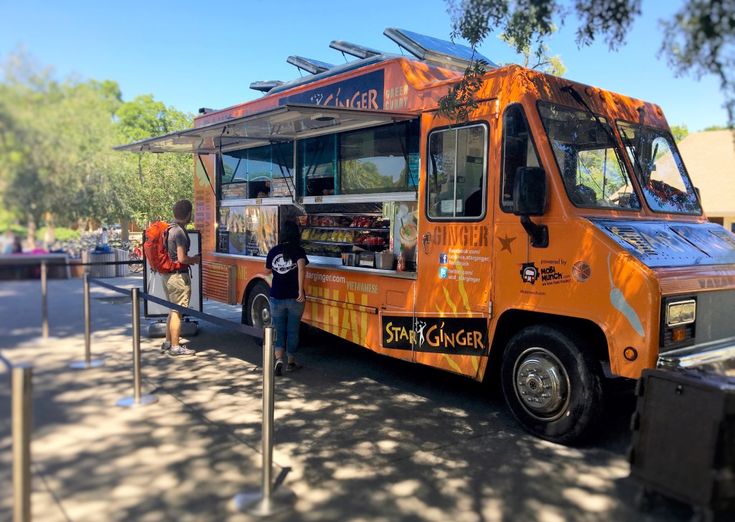
The food truck industry has exploded in recent years, becoming one of the fastest-growing segments of the food service world. From bustling city streets to local festivals, these mobile kitchens bring gourmet flavors and creative cuisine directly to customers. For aspiring entrepreneurs, finding the right food truck for sale is often the first major step toward turning their culinary dream into reality.
Buying a food truck can be an exciting but complex process. It involves more than just purchasing a vehicle—it’s an investment in your brand, business goals, and long-term success. With careful planning, the right guidance, and a reliable partner, you can confidently enter the thriving world of mobile dining.
That’s where experts like Zion Foodtrucks come in. Their dedication to craftsmanship and industry knowledge helps new business owners make informed choices and get their trucks road-ready faster.
Why the Food Truck Industry Continues to Grow
In today’s fast-paced dining culture, convenience and creativity reign supreme. Food trucks deliver both. They allow chefs and entrepreneurs to serve unique dishes without the high overhead costs of traditional restaurants.
Customers love the accessibility and variety that food trucks offer, and with lower startup costs, many chefs find them to be the perfect business model. According to recent industry reports, food truck businesses can generate profit margins comparable to or higher than traditional eateries when managed efficiently.
Investing in a food truck for sale means stepping into a growing market that rewards innovation, mobility, and passion. Whether you’re a first-time business owner or an established restaurateur looking to expand, food trucks offer flexibility that traditional dining spaces simply can’t match.
Step 1: Define Your Business Concept
Before buying a truck, you need to have a clear vision for your business. What type of cuisine will you serve? What’s your target audience? How will your brand stand out from competitors?
Your food concept will influence every decision—from the layout of your truck’s kitchen to the type of equipment required. For example, a coffee and dessert truck will have very different needs from a BBQ or taco truck.
Think of your food truck as your brand on wheels. Choose colors, designs, and logos that reflect your style and connect with your customers. Once your concept is defined, you’ll have a clearer idea of what to look for in a truck and what modifications may be needed.
Step 2: Set a Realistic Budget
Understanding the financial side of your investment is crucial. A food truck for sale can range from modestly priced used models to custom-built, high-end units equipped with the latest technology.
Costs typically include:
- The truck purchase itself
- Kitchen appliances and installation
- Permits, licenses, and inspections
- Branding and design work
- Initial inventory and supplies
Don’t forget to budget for maintenance, insurance, and marketing expenses. Building a financial plan upfront helps avoid surprises later and ensures you can sustain operations beyond the launch phase.
Step 3: Choose Between New and Used Trucks
One of the first big decisions is whether to buy a new or used truck. Each option has benefits depending on your budget and timeline.
- New Trucks: Offer customization, reliability, and warranty coverage. Ideal for business owners with a long-term vision.
- Used Trucks: Provide a lower upfront cost and faster setup but may require modifications or repairs.
When evaluating used trucks, always inspect the mechanical condition, kitchen equipment, and electrical systems. A pre-purchase inspection by a qualified technician can prevent costly mistakes.
Partnering with experienced professionals like Zion Foodtrucks ensures your truck meets all safety and regulatory standards before hitting the road.
Step 4: Understand Local Regulations and Permits
Every city has specific health and safety codes for mobile food businesses. Before purchasing your truck, research local licensing requirements and zoning restrictions.
Common permits include:
- Health department certifications
- Fire safety and propane inspections
- Parking and vending permits
- Business registration and insurance
Meeting these regulations is essential for avoiding fines or closures. A professional food truck builder in Colorado can often guide you through these steps, ensuring your truck complies with all local rules.
Step 5: Design a Functional and Efficient Kitchen
The layout of your food truck is key to its performance. Every inch counts in a compact mobile kitchen, so smart design is essential. Equipment should be placed strategically to maximize workflow, storage, and safety.
Focus on:
- Proper ventilation and temperature control
- Non-slip flooring and easy-to-clean surfaces
- Efficient counter space and food prep areas
- Reliable refrigeration and cooking appliances
Investing in a well-designed workspace helps your staff work efficiently during busy hours and ensures smooth service for customers.
Step 6: Branding and Exterior Design
Your truck’s appearance is often the first impression customers get of your business. Eye-catching graphics and professional branding make your vehicle stand out in crowded events or city streets.
Think of your truck as a moving billboard. Choose a color scheme that represents your food concept and use bold, clear signage that communicates your brand message instantly. Include your social media handles and website to help customers connect and follow your schedule.
A great design not only attracts customers but also builds brand recognition and trust.
Step 7: Marketing Your Food Truck
Once your truck is ready, it’s time to spread the word. Marketing is crucial for building awareness and customer loyalty. Use a combination of digital and local marketing strategies, including:
- Social media posts showcasing your dishes and locations
- Collaborations with local events or breweries
- Customer loyalty programs or referral discounts
- Food delivery partnerships for additional reach
Consistency is key. Posting regularly and engaging with customers online creates a community around your brand, helping your food truck gain a loyal following.
Step 8: Maintenance and Long-Term Planning
Owning a food truck is an ongoing commitment. Regular maintenance of both the vehicle and kitchen equipment ensures smooth operations and safety. Schedule routine checkups and cleanings, and address any issues promptly.
Also, consider your long-term business goals. Many food truck owners expand into catering, event partnerships, or even brick-and-mortar locations once their business gains momentum.
The key is to keep innovating and improving your offerings to stay competitive and profitable.
Final Thoughts: Investing Wisely in Your Dream
Starting a food truck business is both exciting and rewarding, but success begins with choosing the right food truck for sale and building it to match your goals. Careful research, budgeting, and planning will help ensure your investment pays off.
With the guidance of experienced professionals like Zion Foodtrucks, you can take the guesswork out of the process. Their expertise in design, construction, and customization helps entrepreneurs bring their culinary visions to life.
In a thriving industry built on creativity and passion, the right truck can be the start of something extraordinary—your very own restaurant on wheels.