



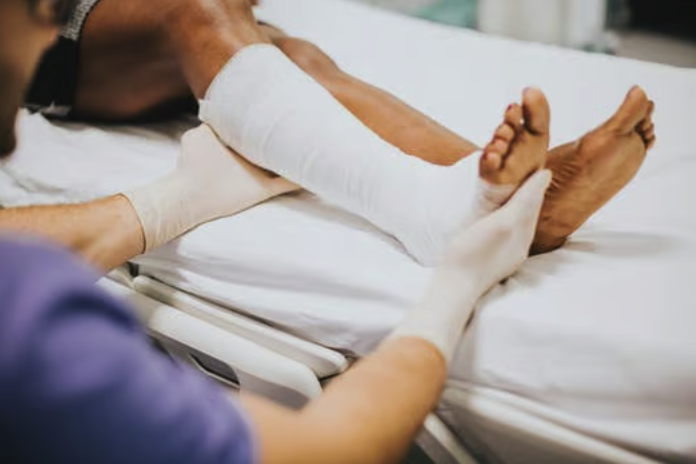
Injury recovery is never just physical, it’s a mental, emotional, and logistical journey that requires patience and the right strategy. Whether the injury stems from a car accident, workplace incident, or a slip and fall, the path to full recovery involves more than just rest and medication. A slow or incomplete recovery often stems from preventable missteps that occur in the early stages of treatment and healing.
Every injury is unique, but there are common steps that help minimize complications and improve the chances of regaining full function. From the moment the injury occurs to the final stages of rehabilitation, the decisions you make will shape your outcome. Planning carefully, following medical advice, and creating a support network help reduce the risk of setbacks and make recovery more manageable.
Seek Immediate Medical Attention and Diagnosis
Delays in medical treatment can lead to long-term issues. Some injuries, particularly those involving soft tissue or internal trauma, may not present serious symptoms right away. You might feel fine at first and dismiss your discomfort as temporary, but hidden injuries can worsen without proper care.
Getting checked by a healthcare professional ensures that injuries are diagnosed accurately and treated promptly. Imaging scans, blood tests, and physical exams provide insights that you can’t get through self-evaluation. Early treatment can also reduce inflammation, prevent infection, and promote faster tissue repair.
Documenting your injury from the beginning is also useful for insurance claims or legal action. Medical records create a clear timeline that supports your case if liability becomes a concern later on.
Follow Medical Instructions Without Shortcuts
Once a treatment plan is in place, consistency is critical. Some patients begin to feel better and choose to skip appointments or discontinue medications early. This can lead to setbacks or create new complications that extend recovery time.
If physical therapy is recommended, participate fully. The exercises may seem repetitive or minor at first, but they’re designed to restore strength, flexibility, and coordination. Skipping them or altering the routine on your own can lead to poor outcomes. Similarly, if your physician recommends using mobility aids, it’s important to rely on them until you’re cleared to stop.
Communication with your medical team helps keep things on track. If something doesn’t feel right, speak up so adjustments can be made safely.
Monitor Symptoms and Watch for Warning Signs
Recovery is rarely a straight line. You may experience fluctuations in pain, swelling, or energy levels. Staying alert to changes helps identify potential issues before they become serious. For instance, increased pain during physical activity may indicate that you’re pushing too hard. Swelling, fever, or numbness can signal infection or nerve complications.
Keeping a recovery journal is one way to stay on top of changes. Tracking symptoms, medication schedules, and therapy progress can reveal patterns that inform treatment decisions. Sharing these notes with your healthcare provider allows for better care and fewer delays in addressing emerging concerns.
Support Your Recovery Through Nutrition and Rest
What you eat and how much rest you get directly affect how your body heals. During recovery, your body uses extra energy to repair tissue, reduce inflammation, and fight infection. Consuming a balanced diet rich in vitamins, protein, and hydration gives your system the fuel it needs to function optimally.
Sleep also plays a major role. It’s during deep rest that growth hormones are released, aiding in cellular repair. Lack of sleep slows healing, weakens immunity, and increases sensitivity to pain. Creating a restful environment, avoiding screens before bed, and maintaining a regular sleep schedule can help support your recovery process.
Managing stress also makes a difference. Emotional strain can increase inflammation and impair your immune response. Incorporating stress-reducing practices like meditation, deep breathing, or light walking helps promote healing from the inside out.
Address the Legal Side of Recovery Proactively
Injuries that result from another party’s negligence often require legal action. Whether it’s navigating insurance negotiations or filing a claim for damages, dealing with the legal side of an injury can be confusing and time-consuming.
Having a strong support system includes legal professionals who can advocate on your behalf while you focus on getting better. Working with a trusted personal injury legal team can help you document your medical care, recover lost wages, and pursue compensation for pain and suffering. Legal experts can guide you on how to avoid common mistakes during recovery that could hurt your claim. This includes communication with insurance adjusters, missed appointments, or inconsistent reporting of symptoms. A well-handled case improves both your financial stability and your access to long-term care if needed.
Set Realistic Goals and Maintain a Recovery Mindset
Staying motivated during recovery can be difficult, especially when progress feels slow. It’s important to set realistic short-term goals and celebrate small victories, whether it’s walking a few extra steps, reducing medication use, or sleeping better through the night, every milestone matters.
Keeping a positive outlook doesn’t mean ignoring pain or challenges. It means believing in your ability to improve with time and effort. Encouragement from friends, therapists, and medical staff can help keep your spirits high. Accepting help and staying engaged with your recovery plan increases the chances of a smoother and more complete outcome.
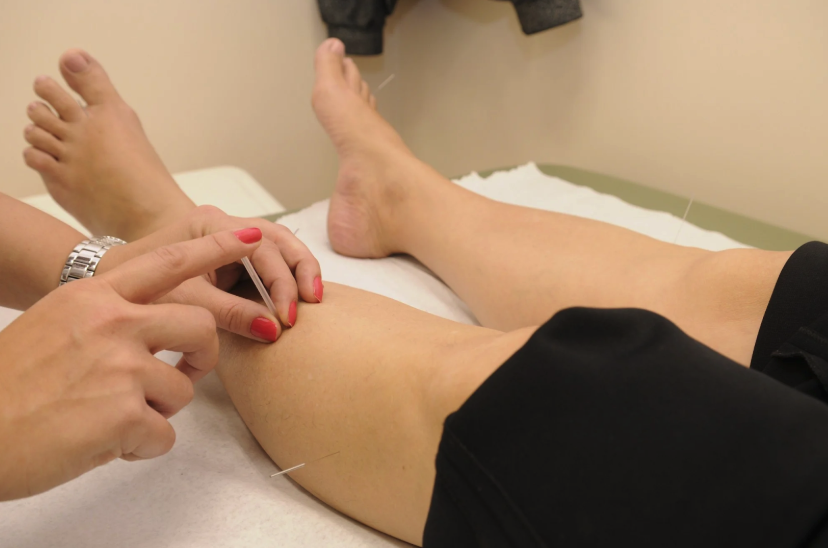
The path to recovery involves more than medical treatment alone. It’s shaped by the decisions you make, the people you rely on, and the habits you build along the way. Preventing complications means staying informed, committed, and supported at every stage. With care, awareness, and persistence, healing becomes more than possible—it becomes a process you can actively shape and own.