



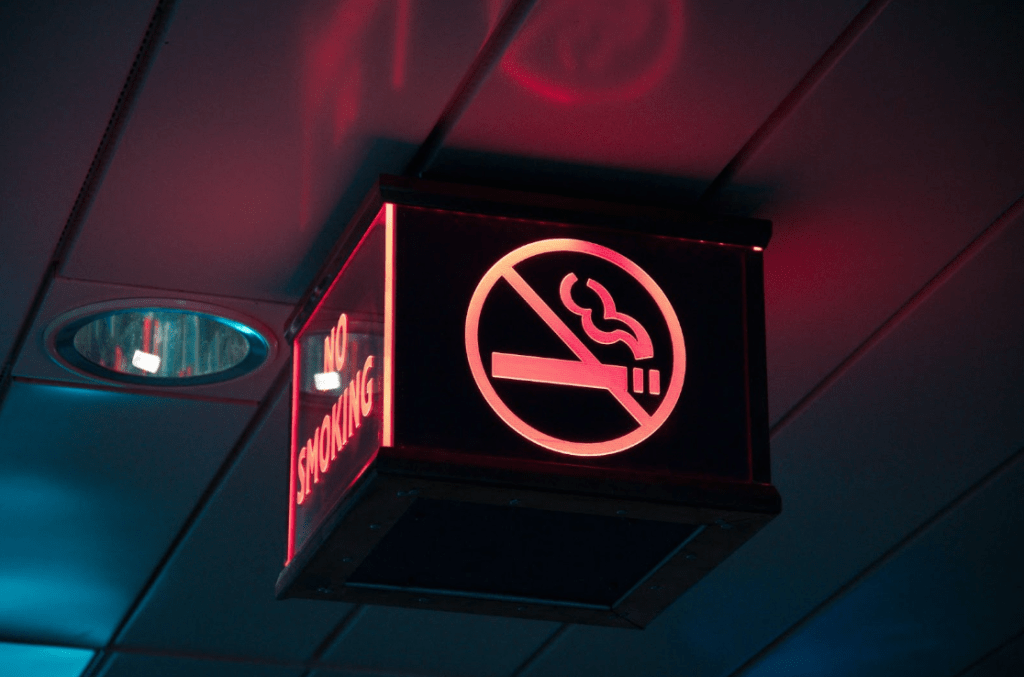
It looks like the long-running debate over smoking in Iowa casinos is heating up again. A new bill aimed at banning smoking on gambling floors recently passed a key hurdle in the House, and folks across the state are weighing the potential impact on both public health and the local economy. Ever since the Smoke-Free Air Act took effect in 2008, Iowa’s bars, restaurants, and most public places have been required to stay smoke-free, but casinos have remained an exception. Now, legislators are thinking about putting them under the same rules as other indoor venues.
Residents in North Iowa are already aware that the region has a well-reviewed gaming spot called Diamond Jo Casino, a popular entertainment venue in Worth County. Some gamblers, though, might decide to skip the drive and instead roll the dice with Bitcoin when they want to play. One reason is that there’s no smoke in these web-based environments, obviously, which is a big plus for those who’d rather not deal with secondhand fumes. Many sites sweeten the deal with free spins, easy withdrawal, and other big bonuses. Experts believe they will be seeing an increase in online engagement.
The U.S. internet wagering sector is on track to jump from around $14 billion in 2023 to almost $40 billion by 2029, according to Gambling industry news, reflecting a yearly growth rate of over 7%. Meanwhile, Iowa’s existing Smoke-Free Air Act continues to shape policy on where smoking is off-limits, so it’s interesting to see how these changes might affect both online and in-person gambling options around the state.
The House Study Bill 148 specifically targets Iowa casinos’ exemption from the smoke-free rules. If it passes, casino floors would join bars and restaurants in banning cigarettes indoors. Advocates say this measure would help shield the nearly 6,000 or so casino workers from secondhand smoke. Right now, Iowa boasts 23 gambling venues, split among four tribal operations and 19 state-licensed sites. Tribal casinos would not be required to follow this new ban if they choose not to, which is a big reason supporters of the existing exemption argue that outlawing smoking at state-licensed establishments could drive smokers to properties where it’s still allowed.
The health angle is a major talking point. Groups like Clean Air For Everyone Iowa Citizens Action Network say it’s time to protect casino employees from the same risks that have been reduced in other workplaces. After Iowa’s Smoke-Free Air Act took effect, healthcare costs linked to smoking dropped, and supporters claim a full ban inside casinos would continue that trend. They also point to data showing Iowa has one of the highest rates of new cancer diagnoses nationwide, and that roughly 2,700 residents lose their lives each year to diseases tied to smoking. With all that in mind, health advocates argue it’s unfair to let this one workplace environment stay smoky when so many others have been forced to change.
Opponents of the bill see a different side to the story. Representatives for some of the commercial gaming venues say a ban could cut revenues by up to 30%. Smokers, they argue, would head to other states or to tribal properties where they can still light up. They also point to studies from Delaware, Illinois, and Colorado that found casino income dipped anywhere from 9% to 22% after smoking was outlawed. Critics of those studies say they’re old—some go back as far as 2002—and may not reflect any rebound in gaming revenue since then.
It’s probably no surprise that certain lawmakers feel a bit torn. Rep. Shannon Lundgren, R-Peosta, introduced this measure and has a personal connection to the topic—her family’s restaurant went smoke-free years ago, right before the statewide ban kicked in. Lundgren explains that the reason she got into politics was partly to address what she calls an unfair carve-out that casinos received. Since 2016, she’s been trying to get this issue in front of the full House, and this is the first year she’s managed to have a hearing as chair of the House Commerce Committee.
At the subcommittee level, Lundgren found enough backing to move the bill forward. Rep. Sami Scheetz, a Democrat from Cedar Rapids, showed clear support, citing worker protection as his main priority. Rep. Austin Harris, R-Moulton, agreed to keep the conversation going but signaled he’d likely vote against it in committee. According to Lundgren, there’s no guarantee the proposal will advance any further, but she views its progress as a milestone. She hopes more of her colleagues will see the upside in applying the same guidelines to casinos that already apply to other public spaces.