



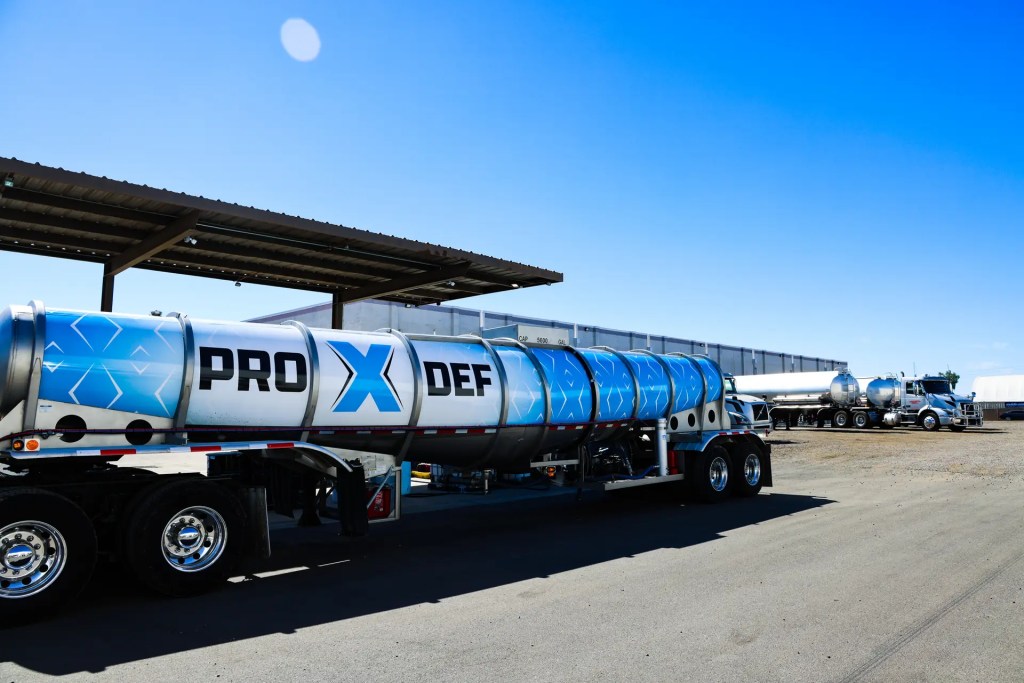
Introduction
In today’s rapidly evolving transportation and logistics industry, fleet operators face increasing demands to comply with stringent environmental regulations while maintaining operational efficiency. Diesel engines, widely used across commercial, industrial, and agricultural sectors, have undergone significant technological advancements to reduce harmful emissions. One critical component in this process is Diesel Exhaust Fluid (DEF). Proper management and delivery of bulk DEF have become essential for companies that rely on diesel-powered vehicles to ensure compliance, efficiency, and sustainability.
What is Diesel Exhaust Fluid (DEF)?
Diesel Exhaust Fluid, commonly known as DEF, is a non-toxic solution composed of 32.5% high-purity urea and 67.5% deionized water. It is used in Selective Catalytic Reduction (SCR) systems to reduce nitrogen oxide (NOx) emissions, which are harmful pollutants released during diesel combustion. SCR technology has become a standard in modern diesel engines due to regulatory mandates, such as the Environmental Protection Agency’s (EPA) Clean Air Act standards. Without DEF, diesel engines cannot meet these emission requirements, which could result in penalties, reduced engine performance, or even engine shutdowns in some cases.
Why Bulk DEF Delivery is Essential
As fleets grow in size and complexity, the logistics of DEF supply become increasingly critical. Unlike conventional fuel, DEF requires specialized handling and storage conditions. It is sensitive to contamination and temperature fluctuations, which can degrade its effectiveness. High-quality, properly stored DEF ensures that SCR systems operate efficiently and that vehicles maintain optimal performance. Consequently, businesses increasingly turn to reliable bulk DEF delivery services to maintain uninterrupted operations.
Advantages of Bulk DEF Delivery
Cost Efficiency
Bulk DEF delivery provides cost efficiency for large fleets. Purchasing DEF in bulk typically reduces the per-gallon cost compared to buying smaller units, resulting in significant savings over time. Additionally, bulk delivery minimizes the frequency of restocking, reducing labor costs and administrative burdens.
Consistency and Quality Assurance
DEF quality is critical because impurities or degradation can damage SCR systems, leading to costly repairs or downtime. Reputable providers adhere to strict quality standards and ensure that the fluid is free from contaminants and stored under optimal conditions. By partnering with reliable bulk DEF delivery services, companies can rest assured that they are receiving a product that meets or exceeds industry standards, safeguarding their vehicles and investments.
Proper Storage and Handling of DEF
Storage and handling of DEF require careful attention. DEF is hygroscopic, meaning it absorbs moisture from the air. Exposure to contaminants such as dirt, oil, or metals can compromise its effectiveness. Temperature is another consideration; DEF can freeze at 12°F (-11°C) and degrade at higher temperatures above 86°F (30°C). Professional delivery services often provide temperature-controlled tanks and dispensing equipment to maintain DEF quality, ensuring that it is always ready for use.
Environmental Benefits of Using DEF
Nitrogen oxides contribute to smog formation, acid rain, and respiratory health issues. By reducing NOx emissions, DEF plays a significant role in decreasing the environmental impact of diesel engines. Companies committed to sustainability recognize that using high-quality DEF and maintaining proper SCR function is not only a regulatory requirement but also a corporate responsibility. Partnering with reliable bulk DEF delivery services reinforces these commitments, as providers often offer guidance on best practices for storage, usage, and compliance with environmental standards.
Convenience and Scalability for Fleet Operations
Fleet managers benefit from the convenience and scalability of bulk DEF delivery. Modern logistics providers offer flexible delivery schedules tailored to the size and needs of a fleet. Automated monitoring systems can track DEF consumption, alerting operators when replenishment is required, and even schedule deliveries proactively. This approach minimizes downtime and ensures that vehicles are always compliant with emission standards.
Safety Considerations in Bulk DEF Management
While DEF is non-toxic and safe to handle under normal conditions, improper storage or accidental spills can create slip hazards and potential contamination. Professional delivery services are trained to handle DEF safely, providing secure storage solutions, spill containment equipment, and training for fleet personnel. By outsourcing DEF management to experienced providers, companies reduce risk and enhance workplace safety, which is critical in large-scale industrial operations.
Economic Impact and Fleet Efficiency
By ensuring that SCR systems operate correctly, DEF improves fuel efficiency and engine longevity. Modern diesel engines are designed to work in tandem with SCR systems, and a consistent supply of high-quality DEF optimizes combustion and reduces wear and tear. This, in turn, lowers maintenance costs and extends the operational life of vehicles, providing long-term savings for fleet operators. The investment in reliable bulk DEF delivery services is therefore not only a compliance measure but also a strategic financial decision.
Additional Services Offered by DEF Providers
DEF delivery providers often support fleet operations with additional services such as consulting, training, and compliance management. These services help businesses navigate complex environmental regulations, avoid penalties, and implement best practices in emissions management. The combination of product quality, logistical efficiency, and expert guidance creates a comprehensive solution that goes beyond mere supply.
Technological Advancements in DEF Supply
Technological advancements in DEF production and delivery continue to enhance fleet management strategies. Manufacturers are developing more stable formulations and improved storage systems to withstand temperature extremes. Delivery companies are leveraging real-time tracking, telematics integration, and automated replenishment systems to streamline operations. By collaborating with reliable bulk DEF delivery services, fleet operators gain access to these innovations, allowing them to maintain competitive advantage while reducing environmental impact.
Conclusion
The role of Diesel Exhaust Fluid in modern diesel engine operations cannot be overstated. DEF is a cornerstone of emission reduction strategies, regulatory compliance, and engine efficiency. The logistical complexities of storage, handling, and supply make bulk DEF delivery an attractive solution for companies managing large fleets. Through cost savings, quality assurance, safety, environmental benefits, and operational efficiency, reliable bulk DEF delivery services provide indispensable support to businesses committed to excellence in transportation and logistics.
Investing in a robust DEF supply chain is not merely about fulfilling regulatory obligations; it is about future-proofing fleet operations, protecting equipment, and promoting sustainability. The synergy between advanced diesel technology and dependable DEF management is essential for maintaining efficiency, reducing emissions, and achieving long-term operational success.