


In our increasingly tech-centric world, the design of multi-device chargers has evolved to meet the growing demand for efficiency and convenience. But what psychological factors influence these designs? This article delves into the psychology behind multi-device charger design, exploring how user behavior, preferences, and needs shape the creation of these essential tools.
The Psychological Consideration of Multi-device Charger Design
The design of multi-device chargers is heavily influenced by an understanding of user needs and behaviors. Designers consider how people interact with their devices daily to create chargers that seamlessly integrate into their lives.
Convenience and Efficiency
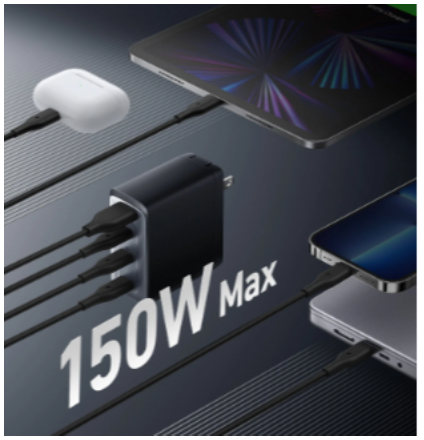
One of the primary psychological drivers behind multi-device charger design is the desire for convenience and efficiency. Users want chargers that can power multiple devices simultaneously, reducing clutter and saving time. This is particularly important for professionals who rely on various gadgets for work and personal use. A study by the Consumer Electronics Association found that multi-device chargers significantly improve user convenience by consolidating charging needs into a single device.

Aesthetics and Minimalism
Aesthetics play a crucial role in the design of multi-device chargers. The trend towards minimalism in tech design reflects users’ preference for clean, uncluttered spaces. According to a report by McKinsey & Company, consumers are drawn to products that offer simplicity and elegance. Multi-device chargers with sleek, minimalist designs, like Anker’s multi-port charger iphone, not only perform their function but also contribute to an aesthetically pleasing environment.
Ergonomics and User Experience
Ergonomics and user experience (UX) are critical factors in multi-device charger design. Designers focus on creating chargers that are easy to use and ergonomic. This includes considering the placement of ports, the length of power cables, and the overall form factor. Research by the Nielsen Norman Group highlights that good UX design enhances user satisfaction and reduces frustration, which is particularly relevant for frequently used products like chargers.
Portability and Flexibility
The psychological need for flexibility and portability also influences charger design. Users often need to charge their devices on the go, so chargers that are compact, lightweight, and portable are highly desirable. A survey by Deloitte revealed that 64% of consumers consider portability a key factor when choosing tech accessories. Multi-device chargers that can easily fit into bags and provide flexibility in charging multiple devices are more likely to meet users’ needs.
Trust and Reliability
Trust and reliability are paramount in multi-device charger design. Users need to feel confident that their chargers will not only perform well but also protect their devices. This trust is built through the use of high-quality materials, safety features such as overcharge and short-circuit protection, and reliable performance. A study by Harvard Business Review found that trust is a key driver of brand loyalty, emphasizing the importance of designing chargers that users can rely on.
Innovation and Future-proofing
Innovation and the anticipation of future needs are crucial in multi-device charger design. Users appreciate products that incorporate the latest technology and offer future-proof solutions. For example, iPhone or Samsung chargers that support the latest USB-C Power Delivery standards or wireless charging capabilities cater to forward-thinking consumers. According to a report by Accenture, consumers are increasingly looking for innovative products that keep pace with technological advancements.
Emotional Satisfaction
Finally, emotional satisfaction is a vital component of multi-device charger design. Users derive satisfaction from products that not only meet their functional needs but also provide a sense of pleasure and fulfillment. This can be achieved through thoughtful design elements, such as LED indicators that show charging status or customizable features. The Journal of Consumer Research highlights that products that evoke positive emotions can enhance overall user satisfaction and loyalty.
Conclusion
The psychology of multi-device charger design encompasses various factors. By understanding and addressing these psychological needs, designers can create chargers that not only meet functional requirements but also enhance the overall user experience. As technology continues to evolve, the importance of considering psychological factors in product design will only grow, ensuring that multi-device chargers remain essential and beloved tools in our daily lives.