



 Introduction: Why Carpet Cleaning Matters
Carpets are more than soft flooring. They’re filters that trap dust, allergens, and bacteria – sometimes for years. A carpet that looks clean may actually harbor dirt that vacuuming alone can’t remove. Neglecting this invisible buildup shortens carpet life, worsens allergies, and leaves homes and offices less healthy than they seem.
This ultimate guide breaks down carpet cleaning methods, the benefits of proper care, and how to decide between DIY carpet cleaning and hiring a professional.
Carpet Cleaning Methods: DIY and Professional Options
Not all carpets need the same treatment. The right method depends on the carpet’s material, age, and level of soiling. Here are the main approaches:
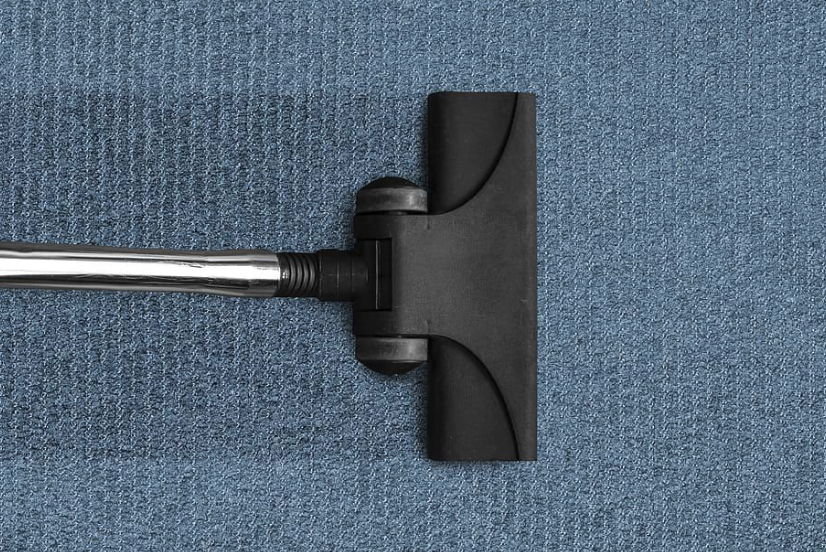
1. Vacuuming (Routine Care)
- Best for: Weekly maintenance
- Pros: Quick, inexpensive, prevents dust buildup
- Cons: Doesn’t remove deep stains or embedded dirt
- Tip: Use a vacuum with a HEPA filter if allergies are a concern.
2. Dry Carpet Cleaning (Compound Cleaning)
- Process: Special absorbent powder is spread and brushed into the carpet, then vacuumed.
- Pros: Fast drying time, minimal water
- Cons: Less effective for heavy stains
- Ideal for: Offices or busy homes where downtime must be minimal.
3. Steam Cleaning (Hot Water Extraction)
- Process: Pressurized hot water mixed with detergent is injected into carpet, then extracted with dirt.
- Pros: Deep cleaning, removes bacteria and allergens
- Cons: Longer drying time (6–24 hours)
- Most recommended by carpet manufacturers.
4. Shampoo Cleaning
- Process: Detergent foam is scrubbed into carpet and then vacuumed once dry.
- Pros: Strong on visible dirt and stains
- Cons: Can leave residues that attract more dirt later
- Best for: Carpets that haven’t been cleaned in years.
5. Bonnet Cleaning (Surface Cleaning)
- Process: A rotating pad soaked in cleaning solution scrubs the surface.
- Pros: Fast, inexpensive
- Cons: Only cleans surface; dirt may resurface quickly
- Best for: Commercial spaces needing quick refreshes.
6. Professional Carpet Cleaning
Professional services use industrial-grade machines, eco-friendly solutions, and trained technicians. They combine steam, dry, or hybrid methods tailored to each carpet type. Some companies also offer UV-C sanitization or eco-cleaning agents for households with pets and children.
Benefits of Carpet Cleaning
1. Healthier Indoor Air
Carpets trap allergens, pet dander, and dust mites. Professional carpet cleaning removes up to 98% of common allergens, according to the EPA.
2. Extended Carpet Lifespan
Dirt acts like sandpaper, breaking down carpet fibers. Regular cleaning can add 5–10 years of life to your carpet.
3. Better Appearance
Stains and dullness make spaces look tired. A thorough cleaning revives colors and texture.
4. Odor Elimination
From pet accidents to spilled wine, odors cling to carpet fibers. Professional deodorizing treatments neutralize smells at the source.
5. Cost Savings Over Time
Replacing carpet is expensive. Regular maintenance delays replacement and keeps warranties valid – many manufacturers require professional cleaning every 12–18 months.
DIY Carpet Cleaning vs. Professional: Which Is Right for You?
DIY Carpet Cleaning
- Pros: Budget-friendly, flexible timing, good for minor stains
- Cons: Rental machines often lack power, risk of overwetting, and detergent misuse can damage fibers
Professional Carpet Cleaning
- Pros: Industrial-grade deep clean, faster drying, expertise in stain removal, eco options
- Cons: Higher upfront cost, requires scheduling
Personal Example:
I once tried to clean a wine stain with a rented machine. The stain faded but reappeared within days. Later, a professional used hot water extraction and completely removed it. The difference in equipment and expertise was clear.
When to Call a Professional Carpet Cleaner
Not every stain requires professional help, but certain signs mean it’s time to call in the pros:
- Persistent Stains: Wine, coffee, ink, or pet accidents that don’t budge with DIY methods.
- Strong Odors: Musty or pet smells that linger after vacuuming.
- Allergy Flare-Ups: Increased sneezing or asthma symptoms in carpeted rooms.
- Heavy Traffic Areas: Offices, hallways, or entryways that look worn down.
- Manufacturer’s Warranty: Many require professional cleaning at least once a year.
FAQs About Carpet Cleaning
Q: How often should I have carpets professionally cleaned?
Every 12–18 months for most households, more often if you have pets, allergies, or high traffic.
Q: What is the best carpet cleaning method?
For deep cleaning, steam cleaning (hot water extraction) is the most effective. For quick maintenance, dry cleaning is useful.
Q: Can professional carpet cleaning damage my carpet?
Not when done correctly. Risks come from DIY over-wetting or using harsh detergents.
Q: How long does it take for carpets to dry after cleaning?
Typically 6–24 hours depending on method and ventilation. Dry cleaning methods take 1–2 hours.
Q: Are eco-friendly carpet cleaners effective?
Yes. Many professionals use biodegradable solutions that are safe for pets and children while still removing dirt and allergens.
Conclusion: A Smart Investment in Clean Living
Carpets add comfort and beauty, but only if cared for properly. Routine vacuuming handles surface dirt, but deep cleaning is essential for health, appearance, and longevity.
DIY carpet cleaning works for small messes, but for stubborn stains, odors, or allergy concerns, professional carpet cleaning delivers unmatched results. Think of it as an investment – protecting your home’s air quality, your family’s health, and the lifespan of your floors.