



Experiencing a vehicle accident can be a jarring and disorienting event. In the moments after a collision, adrenaline can make it difficult to think clearly, yet taking specific actions immediately can protect your safety, your legal rights, and your financial interests. Understanding what steps to take, from evaluating the accident scene to dealing with insurance and authorities, can help minimize further risk and stress. This guide will walk you through essential measures that can provide control and clarity after a vehicle accident.
Assessing the Accident Scene
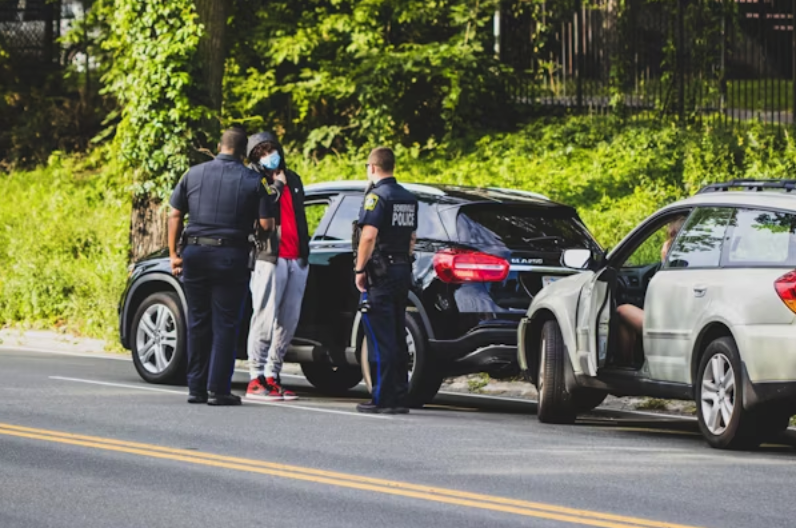
The priority after any collision is to assess the accident scene to understand the scope of the incident and identify any immediate dangers. If you can safely exit your vehicle, check your surroundings for oncoming traffic, fire hazards, or damaged infrastructure that could cause additional harm. During this process, keeping a calm and clear mindset is critical. One way to organize your actions is to follow steps after an accident, which often include checking for injuries, documenting the scene, and moving vehicles if necessary. Observing and recording the positions of all involved vehicles, the weather conditions, and the state of the road can provide valuable evidence later. Taking a few moments to evaluate the scene thoroughly may feel slow, but it can make a significant difference in protecting yourself and others.
Checking for Injuries
Once you have a basic understanding of the scene, the next action is to check for injuries among all parties involved. Even minor collisions can result in injuries that are not immediately visible, such as whiplash or internal trauma. Approach each person carefully and ask whether they are experiencing pain, dizziness, or difficulty moving. Administer basic first aid if you are able and trained to do so, and call emergency services for anyone with serious injuries. Avoid moving people unnecessarily, as doing so could exacerbate their condition. Documenting injuries and ensuring that medical help is on the way will create a solid record and provide immediate protection for the health of everyone involved.
Contacting Emergency Services

Once injuries are addressed or being attended to, contacting emergency services is crucial. Dialing the local emergency number not only ensures that medical personnel can respond quickly, but also that police or other authorities arrive to document the accident. Police reports often serve as official accounts that can be referenced during insurance claims or legal proceedings. While waiting for help to arrive, try to keep witnesses nearby and maintain a safe perimeter around the accident. Communicate clearly with dispatchers, providing accurate details about the location, number of vehicles involved, and the condition of those injured. Taking this step swiftly helps establish a reliable official record that protects everyone involved.
Gathering Evidence
After emergency services have been notified, gathering evidence becomes a critical step. Collect photographs of all vehicles, including license plates, damages, and any skid marks or debris on the road. Note environmental factors such as lighting, weather, and road conditions that may have contributed to the accident. Obtain contact information from all drivers, passengers, and any witnesses present. Written or recorded statements about what each party observed can be invaluable when explaining the incident later. Keeping a meticulous record of these details ensures that accurate information is available to insurance companies or legal representatives, reducing the risk of disputes.
Exchanging Information
An essential component of protecting yourself after a vehicle accident is exchanging accurate and complete information with the other parties involved. This includes names, addresses, phone numbers, driver’s license numbers, license plate numbers, and insurance details. Sharing information calmly and courteously can prevent misunderstandings and establish a foundation for the claims process. Avoid making statements about fault or blaming others at the scene, as this can complicate legal and insurance proceedings. Documenting this exchange through photographs or written notes reinforces accountability and ensures that both parties have the details needed for future reference.
Notifying Your Insurance Provider
After documenting the accident and exchanging information, contacting your insurance provider should be a priority. Provide a factual account of the incident, supported by the evidence and documentation collected earlier. Insurance companies require timely notification to process claims effectively, and delaying this step can hinder compensation. Be transparent about the situation, giving only accurate and verifiable details. Avoid speculation or admitting fault, as this can influence how the claim is handled. Communicating quickly and clearly with your provider helps protect your financial interests and allows the claims process to begin without unnecessary delays.
Seeking Medical Evaluation
Seeking a medical evaluation after a vehicle accident can protect your long-term health and provide critical documentation if legal or insurance issues arise. The shock of a collision can mask pain, and some injuries may not surface until hours or even days later. Conditions such as concussions, internal bleeding, and soft tissue damage often develop gradually, which makes early detection essential for effective treatment. Even if you feel well, visiting a healthcare professional allows for a thorough assessment that can uncover hidden injuries before they worsen. Describe the accident in detail to your doctor, including the position of your body at impact and any immediate symptoms you noticed, no matter how minor they seemed at the time. Keep copies of all medical records, prescriptions, diagnostic images, and treatment plans, as these can serve as valuable evidence if you need to file a claim or pursue compensation later. Returning for follow-up appointments can also help track your recovery and create a clear timeline of your condition. Taking the time to prioritize your health after a collision not only supports physical healing but also strengthens any future claims connected to the incident.
A vehicle accident can be stressful and overwhelming, but taking deliberate and structured actions can significantly reduce risks and protect your well-being. Assessing the scene carefully, checking for injuries, contacting emergency services, gathering evidence, exchanging information, notifying your insurance provider, and seeking medical evaluation are critical measures to follow. These actions help establish a clear record, support legal and insurance processes, and safeguard your physical and financial health. Knowing what to do immediately after an accident empowers you to respond effectively, minimizing chaos and providing peace of mind in a challenging situation.