



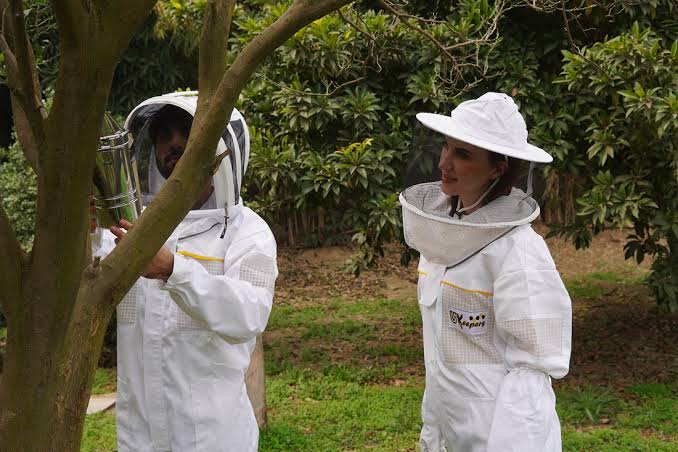
Whether you’re just starting out in beekeeping or have years of experience under your belt, wearing the right bee suits is essential. The right suit doesn’t just protect you from painful stings—it also boosts your confidence, comfort, and efficiency while working with your bees. But should a hobbyist beekeeper invest in the same gear as a commercial pro? Not necessarily.
In this blog, we’ll explore the key differences between bee suits for hobbyists and professionals, comparing their features, fit, protection levels, and price points. If you’re shopping for your first beekeeping suit or upgrading to a professional model, this guide will help you choose wisely.
What Is a Bee Suit and Why Is It Essential?
A bee suit is a full-body piece of protective bee clothing designed to shield the wearer from bee stings during hive inspections, honey harvesting, or colony maintenance. Most bee suits come with a veil to protect the head and face, elastic cuffs to seal the wrists and ankles, and thick material to prevent stingers from penetrating.
Even the calmest colonies can become aggressive if threatened, which makes a quality full body bee suit a must-have item for any beekeeper. While gloves and boots offer added protection, the suit forms the core barrier between your skin and a swarm of defensive bees.
Beekeeping Suits for Beginners (Hobbyists)
If you’re just beginning your beekeeping journey, you likely don’t need the most expensive or heavy-duty gear available. That’s why beekeeping suits for beginners are designed with simplicity, affordability, and comfort in mind.
Key Features of Hobbyist Bee Suits:
- Affordable bee suits with essential protection at a reasonable cost.
- Typically made of cotton or poly-cotton blend for a balance of comfort and safety.
- Easy to put on and remove with zippered fronts and elastic wrist/ankle bands.
- Include detachable veils for face protection, often in a fencing-style design.
These lightweight bee suits are great for occasional hive checks, short visits, or hobby-level maintenance. They tend to offer enough protection for low-risk activities, especially when working with docile bees or small apiaries.
However, hobby suits may not hold up to frequent wear or exposure to extreme conditions. Over time, stitching may weaken or zippers may fail, which is something professionals must account for.
Professional Beekeeping Suits: Built for Daily Demands
For commercial or large-scale beekeepers, professional beekeeping suits are engineered to provide top-tier protection, comfort, and durability. These suits are often worn for several hours a day, several days a week—so they must be robust and breathable.
Features of Professional Bee Suits:
- Constructed with durable bee suits materials like triple-layer mesh or heavy-duty synthetic fabrics.
- Offer maximum sting protection without compromising ventilation.
- Reinforced stitching and high-quality YKK zippers enhance longevity.
- Integrated ventilated bee suits systems keep the wearer cool, even in hot climates.
- Veils are typically larger for better visibility and airflow.
Professionals rely on gear that can withstand harsh fieldwork, repetitive motion, and exposure to heat. In these situations, features like reinforced knees, tool pockets, and strong elastic seals are not luxuries—they’re necessities.
Key Differences Between Hobbyist and Professional Bee Suits
Let’s break down the core bee suit features that distinguish hobbyist models from their professional counterparts.
| Feature | Hobbyist Bee Suits | Professional Bee Suits |
| Material | Cotton or poly-cotton blends | Triple-layer mesh or synthetic fabrics |
| Protection Level | Basic sting resistance | Maximum sting protection |
| Weight & Ventilation | Lightweight; moderate ventilation | Often ventilated bee suits with airflow panels |
| Durability | Moderate wear and tear resistance | Designed for long-term, rugged use |
| Fit & Comfort | Loose fit; easy to wear | Ergonomic fit; reinforced in key areas |
| Cost | Budget-friendly; affordable bee suits | Higher cost; professional-grade investment |
| Best For | Hobbyists; backyard beekeepers | Commercial or advanced beekeepers |
While both suit types aim to prevent stings, the level of detail and construction varies significantly. For hobbyists, comfort and affordability are typically the top priorities. For professionals, reliability and long-term performance are essential.
How to Choose the Right Bee Suit for Your Needs
Choosing the ideal bee suits depends on several factors, including how often you work with bees, your budget, and your local climate.
For Hobbyists:
- Start with a lightweight bee suit made from breathable fabric.
- Look for affordable bee suits that don’t compromise on basic safety.
- Make sure the veil is comfortable and secure, especially if you’re nervous about being stung.
For Professionals:
- Invest in professional beekeeping suits with ventilation, multiple pockets, and reinforced seams.
- Choose a size and fit that allows movement but limits gaps where bees can enter.
- Consider ventilated bee suits if working in hot regions or performing extended tasks.
Regardless of your experience level, always prioritize safety and choose a bee suit that provides full coverage, including gloves and sturdy boots if needed.
Top Picks: Recommended Bee Suits for Every Level
Here’s a quick roundup of well-reviewed bee suits for both beginners and professionals:
For Hobbyists:
- Eco-Guard Starter Bee Suit: Affordable and breathable; ideal for first-timers.
- Natural Cotton Beekeeping Suit: Classic design with fencing veil and great sting protection.
For Professionals:
- Ventilated Pro Bee Suit by Ultra Breeze: Premium mesh suit with superior airflow.
- Guardian Bee Apparel Pro Suit: Durable, triple-layer construction for daily wear.
- OZ Amour Premium Bee Suit: Combines comfort, protection, and style for serious beekeepers.
When shopping, compare features like mesh ventilation, zipper quality, and veil design to find a suit that meets your specific needs.
Conclusion
The world of bee suits and beekeeping gears offers options for every level of beekeeper, from weekend hobbyists to seasoned professionals managing dozens of hives. While beginner suits and basic tools focus on affordability and ease of use, professional beekeeping suits and advanced gear are built for endurance, maximum protection, and comfort under pressure.
No matter your skill level, wearing the right protective clothing—and using the proper beekeeping gears—can make all the difference in your beekeeping experience. So, whether you’re checking a backyard hive or managing a full-scale apiary, invest in the right suit and tools—and wear them with confidence.