



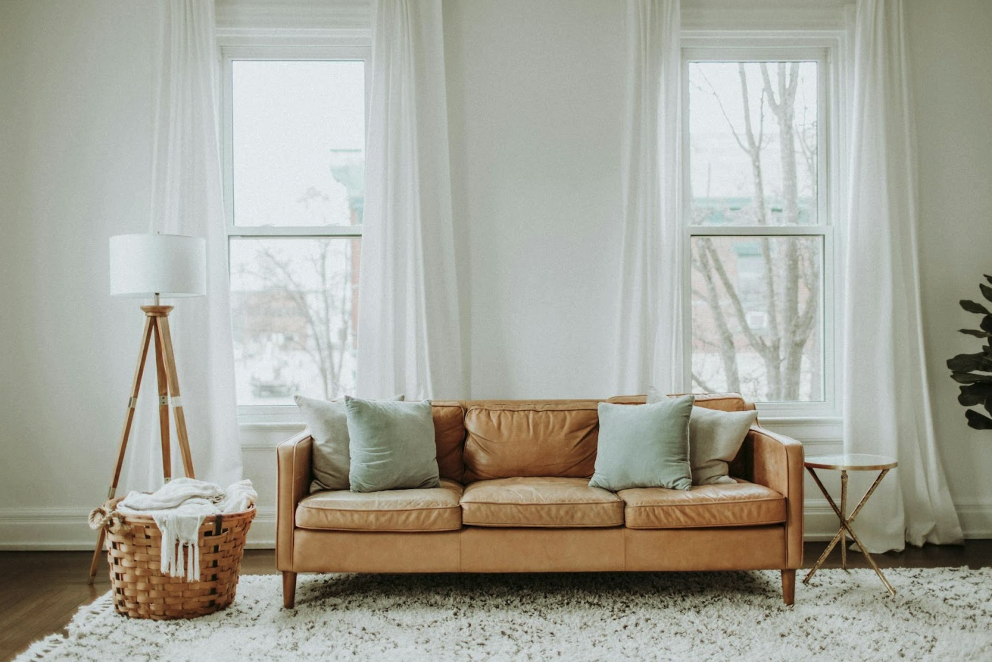
A home that has stood the test of time often begins to show signs of age. Whether it’s drafty windows, an inefficient HVAC system, or outdated insulation, these shortcomings can make daily life less comfortable and far more expensive. If you’re planning a remodel, it’s the perfect opportunity to invest in energy-efficient upgrades that can transform your living space into a more comfortable, sustainable, and cost-effective environment. This is particularly essential in regions like Arlington Heights, IL, where winters are notoriously snowy and freezing. The high cost of living in the area further underscores the need for smart upgrades that can reduce energy bills and improve your home’s coziness. By choosing the right energy-efficient improvements, you’ll enjoy long-term benefits, from lower energy costs to increased property value.
Here are nine top energy-efficient upgrades to consider for your next remodel.
- Replace Old Windows
Windows are a great source of heat loss in older homes, particularly during harsh winters in regions like Arlington Heights, IL. Drafty, single-pane windows allow cold air to seep in while letting warm air escape, forcing your heating system to work harder and increasing energy bills. Replacing old windows with energy-efficient alternatives is a must.
Modern energy-efficient windows, such as double- or triple-pane options, feature insulating gas fills and Low-E coatings that reflect heat back into your home while keeping cold air out. This improves thermal efficiency while enhancing indoor comfort. When undertaking a window replacement, it’s important to hire local professionals. An Arlington Heights window replacement company, for instance, understands the specific needs and challenges posed by Arlington Heights’s winter climate and can ensure proper installation, which is key to preventing air leaks and maximizing energy efficiency.
- Upgrade Your Insulation
Outdated or inadequate insulation is one of the main reasons homes lose energy. Heat escapes through poorly insulated attics, walls, and floors, making your HVAC system work overtime to maintain a comfortable temperature. Upgrading insulation during a remodel is one of the most effective ways to reduce energy loss.
Spray foam insulation, for example, is popular for its ability to fill cracks and gaps while providing a high thermal barrier. Cellulose and fiberglass are also excellent options for homes looking for cost-effective insulation solutions. By upgrading to modern, high-quality insulation, you’ll experience fewer temperature fluctuations, increased comfort, and lower heating and cooling costs throughout the year.
- Install a Smart Thermostat
A smart thermostat is a small investment that yields major energy savings. These devices are designed to learn your daily routine and temperature preferences, allowing them to automatically adjust heating and cooling to optimize energy use. Unlike traditional thermostats, smart models allow for remote control via smartphone apps, ensuring your home is only heated or cooled when necessary.
By reducing energy waste, a smart thermostat can lower heating and cooling bills by up to 10-20% annually. Many models also come with energy usage reports, which can help you identify patterns and further improve your energy efficiency.
- Upgrade to Energy-Efficient Appliances
Old, outdated appliances consume far more energy than modern energy-efficient models. When remodeling your kitchen or laundry room, replacing these appliances can make a big difference in reducing utility costs. Look for Energy Star-certified appliances. They use less energy and water without sacrificing performance.
For example, certified refrigerators use up to 15% less energy compared to non-certified models, while energy-efficient dishwashers and washing machines cut down on water usage. These upgrades don’t just save you money over time –they also help reduce your carbon footprint, making them a win-win investment.
- Switch to LED Lighting
Lighting is often overlooked during a remodel, but swapping out outdated incandescent bulbs for LED lighting is one of the simplest and most cost-effective upgrades you can make. LEDs use much less energy than traditional bulbs – and the bonus? They last longer, too! This means fewer replacements and lower energy bills.
Moreover, you don’t have to compromise on aesthetics since LED lights are available in various styles, colors, and intensities to suit any room in your home. Making this switch is an easy way to modernize your home while boosting energy efficiency.
- Install a High-Efficiency HVAC System
If your heating and cooling system is outdated, it may be consuming far more energy than necessary. Upgrading to a high-efficiency HVAC system can make a world of difference. Modern systems come with high SEER (Seasonal Energy Efficiency Ratio) and AFUE (Annual Fuel Utilization Efficiency) ratings, which measure how effectively they convert energy into heating or cooling.
A high-efficiency furnace or heat pump uses less fuel or electricity to maintain your desired indoor temperature. Coupled with smart thermostats and proper duct sealing, this upgrade reduces both energy consumption and monthly utility bills while ensuring consistent, comfortable temperatures year-round.
- Upgrade Your Water Heater
Traditional water heaters waste energy by continuously keeping a tank of water hot – yes, even when you don’t need it. By upgrading to a tankless or on-demand water heater, you can save energy by only heating water as needed. These systems are more efficient and provide a constant flow of hot water, making them ideal for busy households.
Other than that, tankless water heaters are compact and take up less space compared to conventional tanks, making them perfect for modern homes. This upgrade can lower your energy consumption while ensuring you never run out of hot water.
- Install Energy-Efficient Doors
Old, drafty doors allow air leaks that contribute to energy loss. Upgrading to energy-efficient doors, such as insulated steel or fiberglass options, can improve your home’s thermal performance. Energy-efficient doors come with better sealing, weatherstripping, and insulating cores that help keep conditioned air inside.
This small yet impactful upgrade reduces energy bills and enhances comfort, especially during extreme weather seasons. Make sure to pay attention to proper installation, as even the best doors will underperform if they’re not installed correctly.
- Add a Reflective Roof or Cool Roofing System
If you’re replacing your roof during a remodel, consider installing a cool roofing system. Reflective roofing materials, like light-colored shingles or metal roofing, reflect more sunlight and absorb less heat. This helps keep your home cooler in the summer, reducing the need for air conditioning.
Cool roofs not only lower energy bills but also extend the lifespan of your roof by reducing heat-related wear and tear. This upgrade is particularly beneficial in areas with hot summers or homes that receive abundant sunlight.
Incorporating energy-efficient upgrades into your home remodel is a smart investment that pays off in comfort, savings, and sustainability. From replacing windows to improving insulation and upgrading HVAC systems, these changes can make a significant impact on your home’s energy use. By taking these steps, you’ll create a more efficient, modern home while reducing costs and environmental impact for years to come.