


Body art has long been a powerful form of self-expression, storytelling, and cultural identity. From ancient traditions to modern aesthetics, tattoos and piercings have evolved into respected art forms that reflect individuality and personal meaning. Today, a professional tattoo and piercing shop serves as more than just a place to receive body modifications; it represents a creative studio, a hygienic environment, and a space guided by strict professional and ethical standards. Understanding how these shops operate, what services they provide, and what standards define quality can help individuals make informed and responsible decisions.
The Role of a Tattoo and Piercing Shop in Modern Culture
A tattoo and piercing shop plays an important role in contemporary culture by blending artistry with technical expertise. These establishments provide trained artists who translate personal ideas into permanent or semi-permanent body art while following strict safety and hygiene protocols. Unlike informal or unregulated settings, professional shops emphasize skill, cleanliness, and compliance with industry standards.
Beyond the physical process, these shops often act as consultative spaces. Clients discuss design concepts, placement, symbolism, and aftercare before any procedure begins. This collaborative approach ensures that body art is not only visually appealing but also meaningful and responsibly executed.
Artistic Expression and Personal Meaning
Tattoos and piercings are deeply personal choices that often carry emotional or symbolic significance. Some people choose designs that represent milestones, beliefs, or connections, while others appreciate the aesthetic value alone. A professional environment allows artists to respect these motivations while guiding clients through design refinement and placement considerations.
Experienced artists understand how body shape, skin tone, and movement influence the final appearance of body art. Their insight ensures that designs age well and maintain clarity over time. This level of expertise distinguishes professional shops from casual or inexperienced providers.
Professional Training and Skill Development
Artists working in reputable shops typically undergo extensive training and apprenticeships. Tattooing and piercing require precision, technical knowledge, and an understanding of human anatomy. Proper training helps prevent complications and ensures high-quality results.
Piercing professionals must understand safe placement, appropriate jewelry selection, and healing processes. Tattoo artists need strong artistic foundations, steady technique, and familiarity with equipment and inks. Continuous learning is also common, as styles, tools, and safety standards evolve over time.
Hygiene and Safety Standards
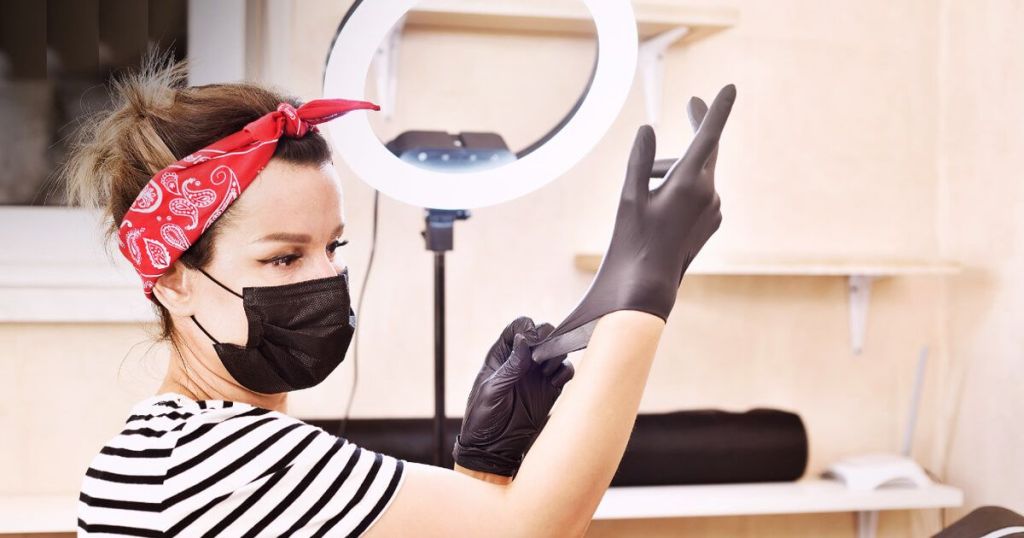
Safety is a cornerstone of any professional tattoo and piercing shop. Strict hygiene practices protect both clients and artists from infection and other health risks. These practices include the use of sterilized equipment, disposable needles, gloves, and proper waste disposal methods.
Clean workstations, sealed tools, and thorough sanitation procedures are essential indicators of a reputable shop. Professionals also follow guidelines for skin preparation, aftercare instructions, and record-keeping. These standards create a controlled environment where artistic expression and health considerations coexist responsibly.
Understanding the Consultation Process
Before any tattoo or piercing procedure, a consultation is an essential step. During this stage, clients discuss their ideas, concerns, and expectations with the artist. The artist provides feedback on feasibility, design adjustments, and placement options, ensuring that the final result aligns with both artistic vision and practical considerations.
Consultations also allow artists to explain the procedure, expected sensations, healing timelines, and aftercare requirements. This transparency helps clients make informed decisions and reduces the likelihood of regret or complications.
Tattoo Styles and Design Diversity
Modern tattooing encompasses a wide range of styles, each with unique characteristics and techniques. Traditional styles emphasize bold lines and limited color palettes, while realism focuses on lifelike detail and shading. Minimalist designs use simplicity and subtlety, whereas illustrative and abstract styles push creative boundaries.
A professional shop often showcases diverse portfolios, allowing clients to choose an artist whose style aligns with their vision. This diversity ensures that body art remains a dynamic and evolving form of expression.
Piercing Options and Considerations
Piercing services range from classic placements to more specialized options, each requiring precise technique and appropriate jewelry. Professional piercers consider anatomy, healing times, and lifestyle factors when recommending placements and materials.
Quality jewelry made from safe materials plays a significant role in healing and comfort. Reputable shops provide guidance on jewelry selection and explain proper aftercare to reduce irritation and promote successful healing.
Aftercare and Long-Term Maintenance
Aftercare is a critical component of both tattooing and piercing. Proper care supports healing, preserves appearance, and minimizes the risk of complications. Artists provide detailed aftercare instructions tailored to the specific procedure and individual needs.
Following these guidelines helps ensure that tattoos retain their clarity and piercings heal correctly. Long-term maintenance may also include touch-ups or jewelry changes, which professionals can perform safely when needed.
Ethical Responsibility and Client Awareness
Professional tattoo and piercing shops operate with a strong sense of ethical responsibility. This includes respecting client boundaries, ensuring informed consent, and adhering to age and legal requirements. These standards protect clients and maintain the integrity of the industry.
Responsible shops prioritize education over pressure, encouraging individuals to take time when making decisions about permanent body art. This approach reinforces trust and professionalism while promoting positive experiences.
The Importance of Choosing the Right Shop
Selecting the right shop is a critical step in the body art journey. Factors such as cleanliness, artist experience, communication style, and portfolio quality all contribute to a positive outcome. A reputable tattoo and piercing shop in Denver demonstrates transparency, professionalism, and respect for client well-being.
Visiting the shop beforehand, asking questions, and reviewing previous work help ensure that expectations are aligned. Trust between client and artist forms the foundation of successful body art experiences.
Managing Expectations and Pain Perception
Tattooing and piercing involve varying levels of discomfort depending on placement, technique, and individual tolerance. Professional artists prepare clients by explaining what to expect and offering strategies to manage discomfort.
Understanding that some level of sensation is normal helps clients approach the experience with confidence. Clear communication reduces anxiety and contributes to a smoother process overall.
Trends and Innovation in Body Art
The body art industry continues to evolve with new tools, techniques, and design trends. Advances in equipment improve precision and comfort, while new inks and materials enhance durability and color vibrancy.
Trends such as fine-line tattoos, symbolic minimalism, and curated piercing styles reflect changing tastes and cultural influences. Professional shops stay current with these developments, offering clients modern options while maintaining safety and quality standards.
Long-Term Impact of Body Art Choices
Tattoos and piercings often become part of a person’s identity, making thoughtful decision-making essential. Placement, design, and scale all influence how body art integrates into daily life and personal style over time.
Professional guidance helps individuals consider long-term implications, ensuring that body art remains a source of confidence and satisfaction. A responsible tattoo and piercing shop supports clients throughout this process with honesty and expertise.
Building Trust Through Professionalism
Trust is central to the relationship between client and artist. Professionalism, clear communication, and consistency build confidence and comfort. When clients feel respected and informed, the experience becomes collaborative rather than transactional.
This trust often leads to long-term relationships, with clients returning for future work or recommending the shop to others. A strong reputation reflects a commitment to quality and ethical practice.
Conclusion: Appreciating the Craft and Responsibility of a Tattoo and Piercing Shop
A professional tattoo and piercing shop represents a balance between creativity, technical skill, and responsibility. These establishments provide safe environments where personal expression is guided by expertise and ethical standards. Through proper training, hygiene, consultation, and aftercare, professional shops ensure that body art is both meaningful and responsibly executed.
Understanding the role and standards of a tattoo and piercing shop empowers individuals to make informed choices that align with their values and long-term goals. When approached thoughtfully, body art becomes a lasting form of self-expression rooted in artistry, professionalism, and respect for personal well-being.