



Introduction
Custom glass finishes are among the most versatile and striking design features available when it comes to transforming interiors or elevating building exteriors. The right finish—whether frameless, frosted, or colored—can add a sophisticated touch, boost privacy, and impact how natural light interacts with your space. Understanding your options is essential if you’re considering a remodel or designing a new environment. For practical guidance on choosing and maintaining glass for everyday use, explore resources like this website, which provides in-depth information about glass products and their various applications.
Homeowners, architects, and designers routinely use glass for its utility and ability to create openness, delineate zones, or serve as a decorative focal point. Solutions such as custom glass doors, partitions, shower enclosures, or storefront displays can dramatically alter a space’s ambience and improve both function and form.
Understanding Frameless Glass
Frameless glass has become synonymous with modern minimalism. By removing hefty frames, frameless designs let glass take center stage with clean sightlines and a barely-there aesthetic. From showers and bathroom enclosures to office walls and balustrades, frameless glass creates the illusion of larger spaces and fosters a continuous flow between indoor and outdoor areas. The result is an uninterrupted view that can be particularly valuable in spaces emphasizing scenic outlooks or natural light. Moreover, the adaptability of frameless options means they can function in both residential and commercial environments, supporting various configuration needs.
Exploring Frosted Glass Options
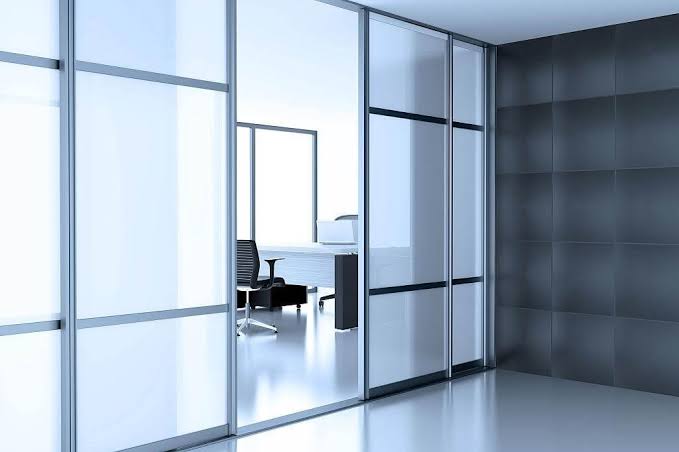
Frosted glass delivers the perfect balance of privacy and illumination by diffusing light while obscuring visibility. This finish is commonly achieved through sandblasting or acid etching, creating a translucent effect that mutes details without darkening the room. Frosted glass is especially desirable for bathrooms, conference rooms, or storefronts where discretion is crucial without completely shutting out the world. Its versatility extends to decorative partitions, cabinet doors, skylights, and signage, where businesses can feature branding or subtle design elements attached directly onto the glass.
Incorporating Colored Glass
Colored glass can transform an average space into a vibrant showpiece. Available in a spectrum ranging from muted tints to vivid hues, colored glass allows for endless customization. Used strategically, it can highlight architectural features, create mood lighting, or carry thematic colors through an entire building. Besides aesthetics, certain tints contribute to glare reduction, UV filtering, and energy efficiency, helping to regulate indoor temperatures and protect furniture from sun damage. Colored panels work well for accent walls, retail displays, and decorative inserts in doors or windows.
Factors to Consider When Choosing a Glass Finish
- Privacy Needs: Decide if you want full transparency or need to obscure direct lines of sight. Frosted and some tints are preferable in areas like bathrooms or private offices, while clear glass works for open-concept environments.
- Light Transmission: Evaluate how much natural light you expect to allow through, as glass types and finishes can impact brightness and ambience. Frameless and clear options maximize sunlight, whereas frosted and colored glass can subtly diffuse or tint incoming light.
- Maintenance: Certain glass finishes, such as frosted or colored surfaces, may hide fingerprints and water spots better than their clear counterparts. To prevent damage or clouding, regular cleaning products and techniques should be appropriate for the specific finish.
- Aesthetic Appeal: Match the glass finish with other room elements, such as wood tones, metal fixtures, and color palettes, to achieve the intended visual impact.
Applications of Custom Glass Finishes
The adaptability of custom glass finishes opens up possibilities across commercial and residential settings:
- Offices: Use frosted partitions and doors to create sound-insulated meeting rooms with privacy, while maintaining a sense of openness and employee connectivity.
- Bathrooms: Frameless shower enclosures add a luxury spa feel, making smaller bathrooms appear bigger and more inviting.
- Retail Spaces: Colored glass displays can help products stand out, while custom etching offers branding and creative merchandising opportunities.
Benefits of Custom Glass Finishes
- Enhanced Aesthetics: Glass finishes elevate interior and exterior design, seamlessly adapting to modern, industrial, or classic décor themes.
- Increased Privacy: With options ranging from barely-there clear panes to fully frosted panels, you can fine-tune visibility to suit any space.
- Energy Efficiency: Advances in coatings and tints allow certain glass products to reflect heat or insulate interiors, contributing to more sustainable building design.
Conclusion
Selecting the ideal custom glass finish requires balancing visual preferences, privacy concerns, light requirements, and practical maintenance. Frameless, frosted, and colored options offer unique advantages, whether enhancing a home, business, or public venue. With careful consideration and the right guidance, you can choose a solution that looks beautiful and functions efficiently.