



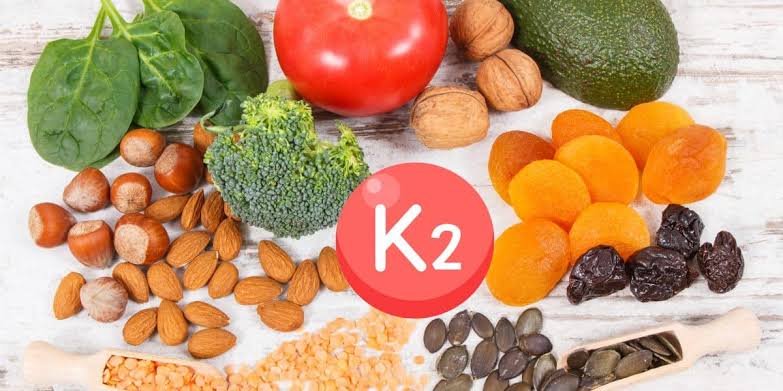
the realm of essential nutrients, vitamin K2 often does not receive the attention it deserves. Even though it plays a crucial role in multiple bodily functions, it remains somewhat obscure in comparison to its more famous cousins, like vitamin D or vitamin C. Understanding the significance of vitamin K2 and ensuring that it is an integral part of our diet is vital for maintaining good health. This nutrient aids processes such as calcium metabolism and cardiovascular health, solidifying its place as a critical player in our diet.
Vitamin K2 belongs to a group of compounds known as menaquinones, which are essential for the activation of proteins that regulate where calcium is deposited in the body. Without adequate levels of vitamin K2, calcium can accumulate in the wrong places, such as the arteries and tissues, rather than in the bones where it belongs. This misplacement can lead to increased risk of cardiovascular diseases, as the arteries become calcified and less flexible. Therefore, vitamin K2 acts as a gatekeeper, directing calcium to the skeletal system and away from areas where it can cause harm.
The nutrient’s role in bone health cannot be overstated. Many studies have shown that adequate vitamin K2 intake is linked with a reduced risk of bone fractures and osteoporosis in ageing populations. This is particularly important given the growing number of individuals affected by bone density issues as life expectancy increases. K2 ensures that calcium efficiently reaches and remains in the bones, promoting better strength and preventing degenerative bone diseases.
Beyond bone health, vitamin K2 has other significant benefits. It has been implicated in improving dental health, given its role with osteocalcin, a protein that supports the growth of strong tooth enamel. Additionally, some preliminary research suggests that vitamin K2 may play a role in cancer prevention. While further studies are necessary, initial findings indicate that adequate K2 intake could be linked to reducing the risk of certain cancers, offering a promising avenue for future research.
Despite its importance, many people do not get enough vitamin K2 in their diet. This is partly because it is found predominantly in certain foods that are not staples of the modern diet. Fermented foods like natto, a traditional Japanese dish made from fermented soybeans, are rich sources of vitamin K2. Other dietary sources include certain cheeses, egg yolks, and liver. Unfortunately, these foods might not be regularly consumed in sufficient quantities to meet our body’s requirements.
For this reason, individuals might consider vitamin K2 supplementation, especially if their diet lacks this nutrient’s natural sources. However, as with any supplement, it is crucial to consult with healthcare professionals before beginning supplementation, ensuring that it is necessary and determining the appropriate dosage.
Moreover, combining vitamin K2 with other nutrients such as vitamin D can enhance its benefits. Vitamin D and K2 work synergistically; while vitamin D enhances calcium absorption, K2 ensures that the absorbed calcium is correctly allocated to the bones, preventing deposition in arteries and tissues. Together, they offer a formidable defence against osteoporosis and cardiovascular disease.
In conclusion, vitamin K2 is an unsung hero that should be acknowledged and appreciated for its role in sustaining health. By ensuring adequate intake of this nutrient through diet or supplementation, individuals can support their bone health, cardiovascular function, and potentially reduce their risk of certain diseases. As research into vitamin K2 continues to unveil more benefits, prioritising its inclusion in a balanced diet could profoundly impact overall wellbeing.