



The pursuit of high-quality meat goes far beyond marbling or cut selection. For chefs, home cooks, and meat enthusiasts alike, the difference between average and exceptional meat lies in a complex blend of factors that influence texture, flavor, and tenderness. From genetics to feed and from aging techniques to handling practices, each step plays a vital role in shaping the final product.
Quality meat delivers a memorable sensory experience and often reflects the care and precision used throughout its production. Understanding what defines high-quality meat helps you make better choices at the butcher or grocery store and provides insight into why certain meats command higher prices and demand.
Genetics and Breed Selection
Genetics form the foundation of meat quality. Certain breeds are known for producing tender, well-marbled, and flavorful cuts due to their biological characteristics. Angus cattle, for instance, are highly regarded for their intramuscular fat distribution, which contributes to a juicy and rich eating experience. Berkshire pigs are known for their flavorful pork and finely grained texture.
Breeding practices also influence consistency. Animals raised with a focus on producing premium meat are selectively bred for traits such as muscle structure, fat composition, and growth rate. These genetic differences are one of the reasons why two steaks of similar size can taste dramatically different.
Consumers may not always have access to detailed genetic information, but knowing which breeds are associated with high-quality meat helps narrow down reliable choices when shopping or dining.
Feed and Nutrition
What an animal eats significantly impacts the flavor and texture of its meat. Feed plays a role in the development of muscle fibers, fat content, and even the aroma of the final product. Grain-fed livestock often develop more marbling, while grass-fed animals tend to have leaner meat with a more mineral-forward flavor profile.
Supplemental nutrition can further enhance meat quality. For example, cattle that receive balanced diets rich in vitamins and minerals produce meat with firmer texture and more consistent coloration. This is why producers who manage feeding programs carefully often produce better-quality meat than operations that rely on basic or mass-produced feed solutions.
Water access and feed timing also matter. Animals that are hydrated and fed on a regulated schedule tend to experience less stress, which leads to better muscle integrity and overall meat condition.
Stress and Handling Practices
Stress impacts meat quality in measurable ways. Animals that experience significant stress before slaughter often produce meat that is darker, drier, and less tender due to a condition known as dark cutting. Cortisol and other stress hormones disrupt the normal pH balance of muscle tissue, reducing its ability to retain moisture and resulting in tougher textures.
Low-stress environments and humane handling protocols preserve muscle quality and help maintain flavor integrity. Reputable farms invest in proper facilities, transport conditions, and slaughter practices to reduce these issues. The benefits of such practices are evident in the final product and align with ethical consumer preferences.
Aging and Processing Methods
Meat doesn’t reach its full potential immediately after slaughter. Aging allows enzymes to break down connective tissue, which enhances tenderness and develops deeper flavors. There are two common aging methods: wet aging and dry aging.
Wet aging involves vacuum-sealing meat and letting it rest in its own juices. This technique enhances tenderness while preserving moisture. Dry aging, on the other hand, exposes meat to controlled air circulation for several weeks. This process results in a firmer texture and concentrated, nutty flavors appreciated by culinary professionals.
Processing techniques also play a part in quality perception. Careful trimming, portion control, and storage methods influence how meat cooks and how long it stays fresh. Poorly handled meat, regardless of its initial quality, can lose appeal quickly through oxidation or improper storage temperatures.
Fat Quality and Marbling
Marbling refers to the small streaks of fat that run through the muscle, and it plays a key role in meat tenderness, juiciness, and flavor. Higher marbling levels typically indicate more premium cuts and are often associated with elite meat categories. The taste of American Wagyu beef demonstrates how rich marbling can transform the flavor and texture of a cut. These meats offer a buttery finish and luxurious mouthfeel that are difficult to replicate in leaner options.
Not all fat is created equal. The composition of the fat, influenced by breed and feed, affects its melting point and flavor contribution. Meat with fine, evenly distributed fat melts more gently during cooking, delivering a smoother and more enjoyable texture.
Measuring marbling is a standard part of meat grading in many countries, helping consumers choose cuts that match their preferences for richness and softness.
Color, Texture, and Moisture Retention
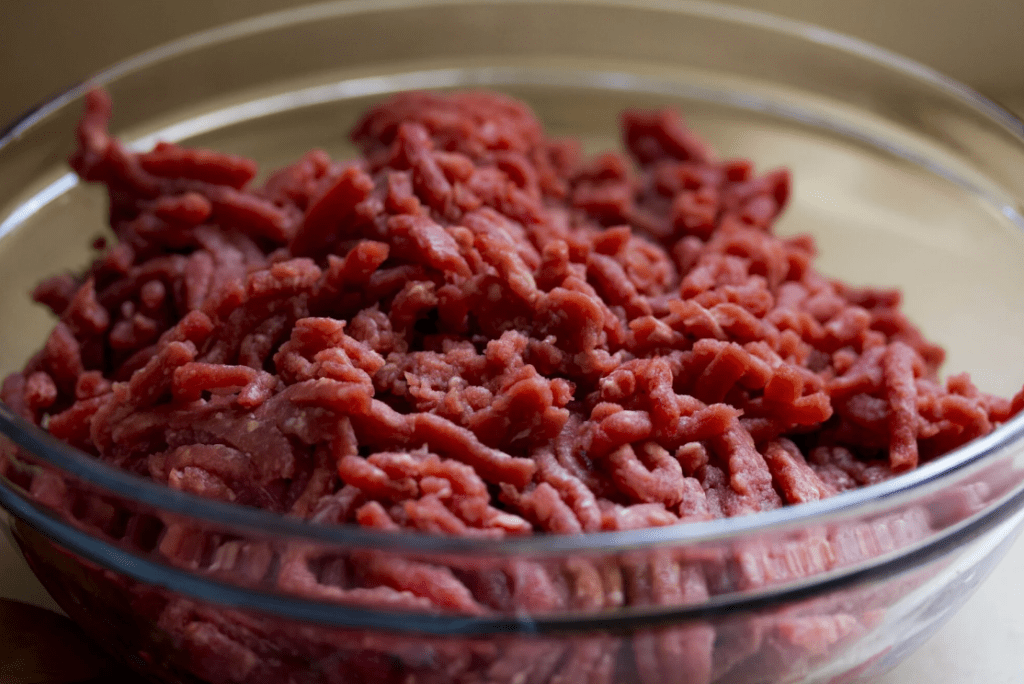
Visual cues are often the first indicators of quality meat. Bright, consistent coloration indicates freshness and proper handling. For beef, a deep red hue signals oxygen exposure in a controlled setting, while pale or brownish tones suggest age or improper storage.
Texture also provides insight. High-quality meat should have a firm but yielding touch, indicating well-developed muscle fibers. Gritty or overly soft meat may point to lower-grade cuts or excessive moisture loss.
Moisture retention impacts both appearance and cooking performance. Meat that retains moisture well will shrink less during cooking and maintain its tenderness. This quality is largely determined by the pH level at the time of processing and the storage conditions that follow.
Selecting high-quality meat requires more than choosing a recognizable cut. By paying attention to factors like genetics, feed, handling, aging, and marbling, you gain a better understanding of what goes into a superior product. With a bit of knowledge and a focus on sourcing from reputable producers, you can bring home meat that delivers outstanding flavor, texture, and satisfaction every time.