



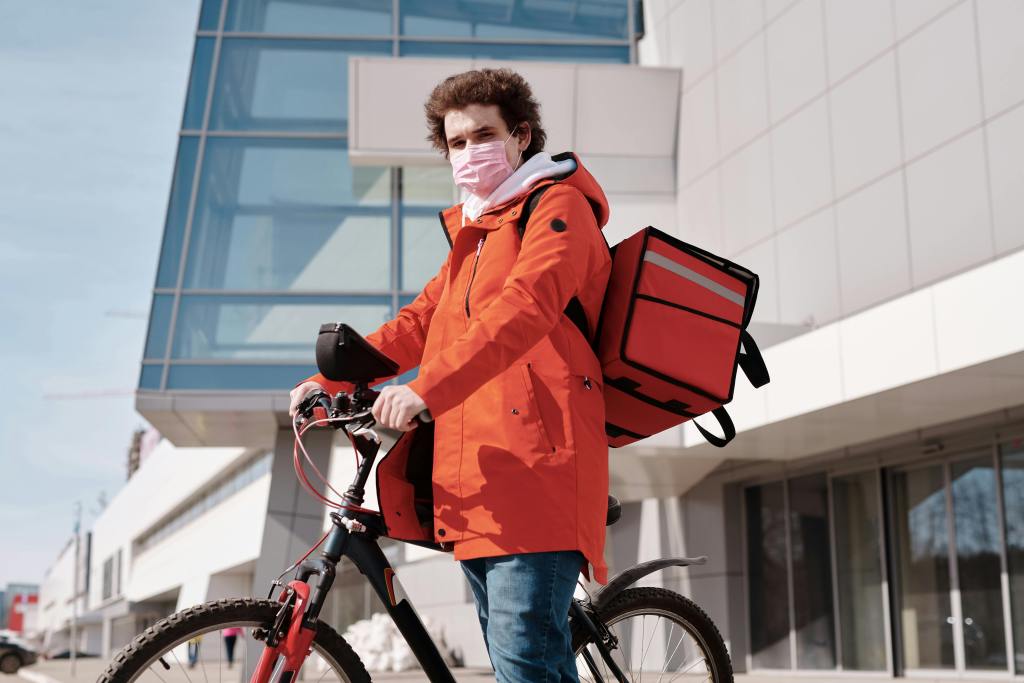
Food delivery services have become a vital part of daily life, with drivers transporting meals from restaurants to customers at all hours. Many of these drivers rely on personal vehicles to make deliveries, but their standard auto insurance policies may not provide sufficient coverage. Understanding the differences between personal and commercial insurance is essential to avoiding financial risks in the event of an accident.
Drivers who use their vehicles for food delivery must navigate complex insurance policies that vary based on company guidelines and state laws, and research different insurance providers. Many personal auto policies exclude coverage for accidents occurring during commercial activities, leaving drivers vulnerable to significant expenses. Seeking guidance from a San Antonio food delivery driver accident lawyer can help those involved in delivery-related crashes understand their legal rights and insurance options.
Personal Auto Insurance: Limited Coverage for Deliveries
Most drivers carry personal auto insurance, which covers accidents that occur during everyday commuting and personal errands. However, these policies typically exclude coverage for commercial activities, including food delivery. If a driver gets into an accident while actively delivering food, their insurance provider may deny the claim, leaving them responsible for damages.
Even if a policy includes coverage for business use, it may not fully protect delivery drivers in all situations. Some insurers offer optional endorsements or add-ons that extend limited coverage for gig work, but these often come with restrictions. Drivers should review their policies carefully to ensure they are not unknowingly driving without coverage while on the job.
Commercial Auto Insurance: Protection for Business Use
Commercial auto insurance provides coverage for vehicles used in business operations, including food delivery. These policies offer higher liability limits and cover damages sustained while the driver is actively working. Unlike personal policies, commercial insurance is designed to protect drivers engaging in work-related transportation.
While commercial policies provide better protection, they can be expensive. Many independent contractors hesitate to purchase a commercial plan due to higher premiums. However, without proper coverage, drivers risk paying out of pocket for vehicle repairs, medical expenses, and liability claims if an accident occurs during a delivery shift.
Coverage Gaps in Insurance for Food Delivery Drivers
One major challenge faced by food delivery drivers involves the gap between personal and commercial insurance. Many gig workers believe that their company’s policy will provide coverage in case of an accident. However, this coverage often varies based on when the incident occurs.
Delivery service providers like DoorDash, Uber Eats, and Grubhub do offer insurance while drivers are actively making a delivery. This protection is crucial for safeguarding against potential liabilities during that specific time. Yet, it is important to note that there may be no coverage when drivers wait for orders or travel between assignments.
Understanding when insurance coverage applies is essential for drivers. Being aware of these details can help avoid costly surprises after an accident. Clear knowledge of the terms of coverage ensures that drivers remain protected throughout their work.
How Delivery App Insurance Policies Work
Most food delivery companies provide some level of insurance, but it typically only applies under specific circumstances. Coverage may be divided into different periods:
- Waiting for an Order: Limited coverage or none at all.
- En Route to a Restaurant: Some liability coverage may apply.
- Actively Delivering Food: Full coverage from the company’s insurance policy.
Drivers who assume they are fully covered throughout their shift may be at risk if they are involved in an accident during an uncovered period. Reading the fine print of a delivery platform’s insurance policy can help drivers understand their level of protection.
Legal and Financial Risks of Insufficient Coverage
Driving without the right insurance coverage can lead to serious financial and legal consequences. If a driver is involved in an accident while delivering food and their personal insurance denies the claim, they may have to pay for vehicle repairs and medical expenses out of pocket. In cases where another party is injured, the driver could be held liable for damages, leading to lawsuits or financial strain.
Drivers who operate without proper coverage may also face policy cancellations from their insurance providers. If an insurer discovers that a driver failed to disclose their commercial activity, they can terminate the policy, making it harder to obtain coverage in the future. Taking the necessary steps to secure adequate insurance can prevent long-term financial and legal issues.
How Insurance Disputes Can Complicate Claims for Food Delivery Drivers
Filing an insurance claim after a food delivery accident is not always straightforward. Many drivers find themselves caught between their personal insurance provider, their delivery company’s policy, and the at-fault party’s insurer. Disputes often arise over which policy applies, especially when an accident occurs during a period where coverage is unclear. Insurance companies may try to shift responsibility, leaving the driver uncertain about who will cover damages.
Delays in processing claims can add to the stress of recovering from an accident. Some insurers deny claims outright if they discover a driver was engaged in delivery work without the proper policy. Others may offer lower settlements, arguing that coverage limits apply differently in commercial driving situations. Understanding how to navigate these disputes and knowing when to seek legal assistance can make a significant difference in securing fair compensation.
Choosing the Right Insurance for Food Delivery Work
Finding the right insurance as a food delivery driver requires balancing affordability and adequate coverage. Some drivers may be able to add a rideshare or delivery endorsement to their existing personal policy, providing limited coverage during work hours. Others may need a full commercial auto policy for complete protection.
Comparing policies from different providers and discussing options with an insurance agent can help drivers make an informed decision. Some insurers specialize in hybrid policies that cater to gig workers, offering more affordable coverage than traditional commercial plans. Investing in the right policy ensures that drivers are protected in the event of an accident.