



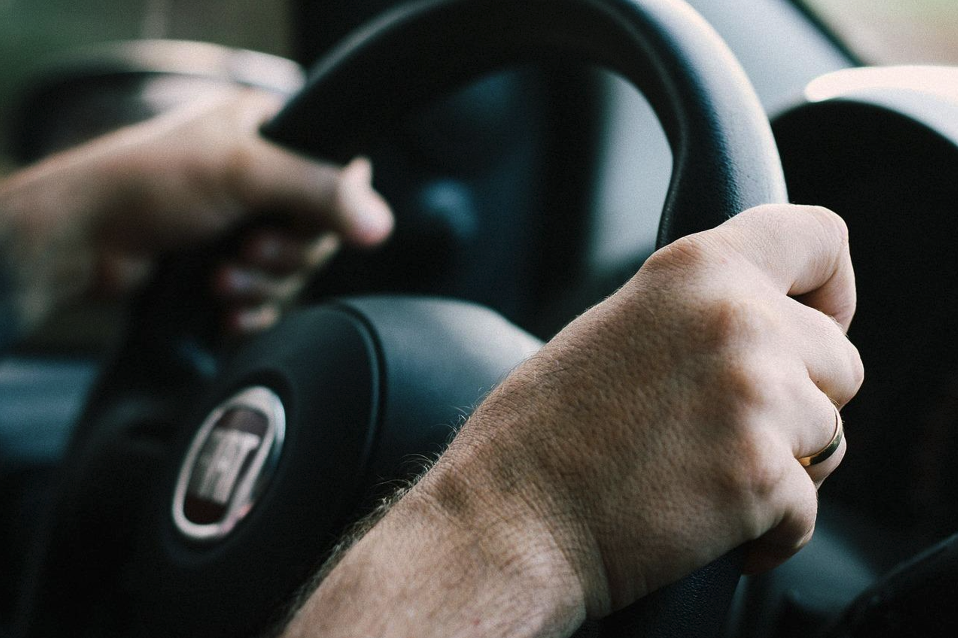
As ridesharing services like Uber grow in popularity, their convenience often overshadows the challenges faced by drivers.
Among these challenges, overwork is one of the most concerning ones. The pressure to make ends meet, coupled with the nature of gig work, often leads Uber drivers to work long hours, increasing the likelihood of accidents. If you have been in an Uber accident, you must file an accident claim. You can hire an Uber accident lawyer to help you navigate the legal maze and get the right compensation for your losses.
Let’s look at how overworked drivers contribute to Uber accidents and what can be done to address this issue.
The Story Behind Overworked Uber Drivers
Many Uber drivers face financial pressures, which push them to work extended hours. Unlike salaried employees, gig workers do not have a steady paycheck. Their earnings depend on how many rides they complete.
Additionally, incentives like bonuses for completing a certain number of trips can encourage drivers to stay on the road for longer than is safe.
Drivers often overestimate their ability to handle long shifts without considering the physical and mental toll. This increases the chance of Uber accidents.
The Dangers of Driver Fatigue
Fatigue is one of the leading causes of traffic accidents worldwide, and Uber drivers are not immune to it. Driving for long hours can impair judgment, slow reaction times, and decrease focus, all of which are crucial for safe driving.
Imagine a driver working a 12-hour shift, navigating congested city streets, and dealing with unpredictable passengers. By the end of the day, exhaustion sets in, making it harder to concentrate or react to sudden changes on the road. This fatigue significantly increases the risk of accidents.
How Does This Affect Passengers and Other Road Users?
An overworked driver is not only a risk to themselves but also to their passengers and other road users. For passengers, the promise of a safe ride becomes questionable when the driver is visibly tired or distracted. Similarly, other drivers, cyclists, and pedestrians are put at risk when a tired Uber driver is behind the wheel.
Uber accidents caused by driver fatigue can lead to serious injuries, property damage, and even fatalities. These incidents also raise questions about the responsibility of ridesharing companies in ensuring their drivers are fit to drive.
What Can Be Done to Prevent Overwork?
Addressing this issue requires a combined effort from Uber, drivers, and even passengers. Here are some potential solutions:
- Enforced Rest Periods: Uber has implemented some limits on how long drivers can work in a day. However, stricter enforcement and better monitoring could help ensure that drivers take adequate breaks.
- Education on Fatigue Management: Uber could provide training or resources to help drivers understand the dangers of fatigue and how to manage their schedules effectively.
- Increased Pay Rates: Fairer compensation could reduce the need for drivers to work excessively long hours. By earning more per trip, drivers might be less inclined to push themselves to dangerous limits.
Final Thoughts
The link between overworked drivers and Uber accidents is clear and concerning. While the flexibility of ridesharing platforms is appealing, it can also lead to unsafe conditions when drivers are pushed to their limits. Ensuring safer roads requires a proactive approach that prioritizes the well-being of drivers, passengers, and the public.