



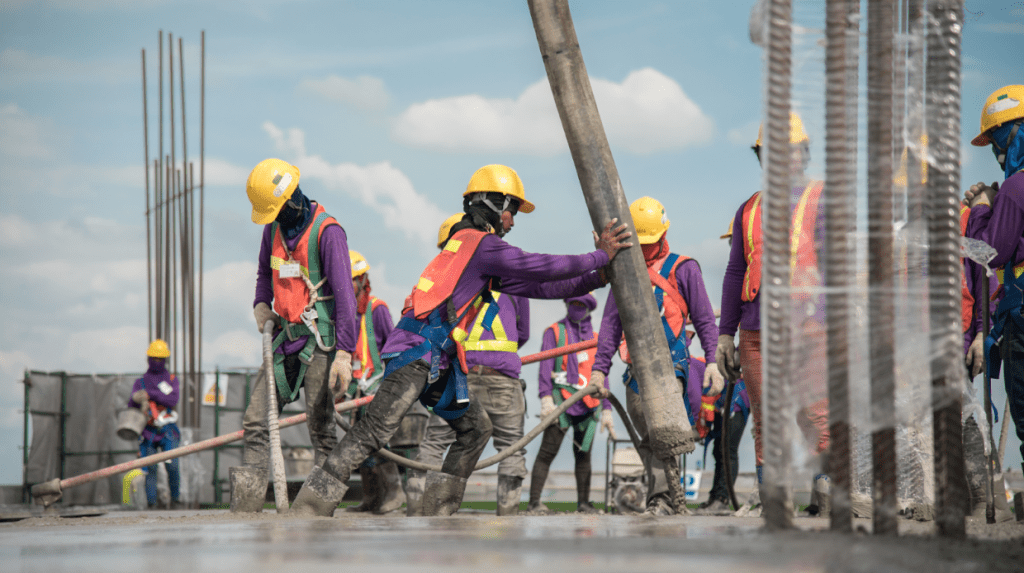
Construction work plays a vital role in the growth and development of communities, but it also comes with inherent risks. Ensuring the safety of construction workers is paramount to preventing accidents and injuries on job sites. By implementing comprehensive safety measures, construction companies can create a safer environment that promotes both the well-being of workers and project efficiency.
Understanding the Risks
Construction sites are fraught with potential hazards, including falls, equipment accidents, exposure to harmful substances, and electrocution. According to the Occupational Safety and Health Administration (OSHA), falls are the leading cause of fatalities in the construction industry, accounting for a significant percentage of construction-related deaths. Other risks include being struck by objects, getting caught in or between machinery, and respiratory issues due to exposure to harmful materials.
Key Safety Measures
- Personal Protective Equipment (PPE):
Personal protective equipment is essential for minimizing injury risks. Workers should wear hard hats, safety goggles, high-visibility vests, gloves, and steel-toed boots. Each piece of PPE plays a crucial role in protecting workers from specific hazards, and compliance with PPE requirements should be strictly enforced on construction sites. - Safety Training:
Regular safety training is vital for all construction workers. This training should cover safe operation of equipment, hazard recognition, and emergency procedures. In addition to general safety training, specialized training should be provided for tasks such as scaffolding, electrical work, and working at heights. This education ensures that workers understand potential risks and know how to mitigate them. - Fall Protection:
Given that falls are a leading cause of injury in construction, implementing robust fall protection measures is crucial. This includes using guardrails, safety nets, and personal fall arrest systems when working at heights. Regular inspections of scaffolding and ladders can help identify potential hazards before accidents occur. - Equipment Safety:
Proper maintenance and safety checks for machinery and tools can prevent accidents. Workers should be trained on the correct operation of equipment and perform pre-use inspections to ensure everything is in working order. If you use lifting gear to move heavy materials, make sure to shop for chain rigging equipment that meets industry standards and load requirements. Ensuring compatibility and quality can significantly reduce the risk of mechanical failure. Additionally, machinery should have appropriate safety features, such as guards and emergency shut-off switches. - Hazard Communication:
Construction sites often involve hazardous materials. A clear hazard communication program, including labeling and Safety Data Sheets (SDS), ensures that workers are aware of potential risks. Regular briefings on the safe handling and disposal of these materials are essential for maintaining safety standards. - Emergency Preparedness:
An effective emergency response plan is crucial for any construction site. Workers should be trained in basic first aid and CPR. In Kitchener, CPR training is readily available and should be a key component of emergency preparedness. Having personnel trained in CPR and first aid can make a significant difference in the event of an emergency, enabling immediate response to injuries. - Regular Safety Audits:
Conducting regular safety audits can help identify and rectify hazards on the job site. These audits should evaluate compliance with safety regulations, the effectiveness of safety training, and the condition of equipment and PPE. Feedback from workers can also be invaluable in identifying overlooked safety concerns. - Reporting and Addressing Hazards:
Encouraging a culture of safety where workers feel comfortable reporting hazards without fear of reprisal is essential. Implementing a straightforward reporting process ensures that issues can be addressed promptly, reducing the risk of accidents.
The Priority for Construction Workers
The safety of construction workers should always be a top priority. By implementing comprehensive safety measures, including the use of personal protective equipment, thorough Kitchener first aid training programs, and emergency preparedness, construction companies can significantly reduce the risk of accidents and injuries. CPR training in Kitchener is an important component of this preparedness, equipping workers with the skills to respond effectively in emergencies.
By fostering a culture of safety, the construction industry can not only protect its workforce but also enhance productivity and project success. Prioritizing safety is not just a regulatory obligation; it is a moral imperative that benefits everyone involved in the construction process. Investing in safety measures ultimately leads to a more efficient, productive, and harmonious workplace.