



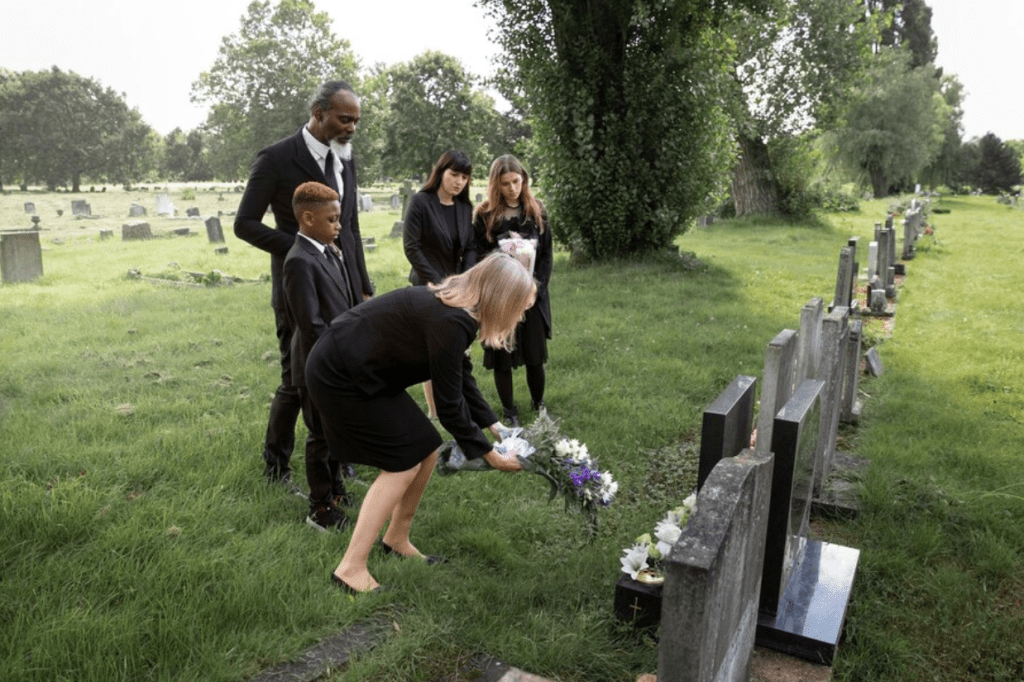
Understanding the intricacies of funeral and cremation services is crucial, especially during difficult times when families face the loss of a loved one. This guide aims to illuminate the path, offering clarity and support for those seeking to make informed decisions. Whether you’re planning ahead or navigating an unexpected loss, this comprehensive guide will provide you with the knowledge you need to move forward with confidence.
The Difference Between Funerals and Cremations
When it comes to saying goodbye to a loved one, families often face the choice between a traditional funeral and cremation. Understanding the differences can help you make a decision that honors your loved one’s wishes and meets your family’s needs.
Traditional Funerals
A traditional funeral typically involves several elements, including a viewing or visitation, a formal service, and a burial. The body is often embalmed and presented in a casket, allowing family and friends to say their final goodbyes. Funerals can be personalized with music, readings, and eulogies, creating a meaningful tribute to the deceased.
Cremations
Cremation, on the other hand, involves the process of reducing the body to ashes through high-temperature burning. Families can choose to have a service before or after the cremation, and the ashes can be kept in an urn, scattered in a meaningful location, or even transformed into keepsakes like jewelry. Cremation often costs less than a traditional funeral, making it an attractive option for many families.
This approach is found to be the most convenient for families seeking flexibility and affordability during an emotional time. Many families reach out to cremation services so they can honor their loved one’s memory in a way that feels personal and meaningful. Whether it’s planning a small gathering or selecting a unique urn, these services often offer a wide range of options. This allows families to focus on remembrance rather than logistics.
Personalization and Costs
Both funerals and cremations can be tailored to reflect the unique personality and preferences of the deceased. Personalization options may include selecting specific music, incorporating cherished photographs, or even creating themed decorations that celebrate the individual’s life. It’s important to consider the costs associated with these options, as they can vary widely depending on your choices. The staff at www.bozaroel.com says that understanding your budget and discussing it openly with a funeral planning advisor can provide clarity and help make decisions that fit your financial situation while still honoring your loved one in a meaningful way. Remember, the goal is to create a tribute that resonates with both the deceased and those who are left to mourn.
Planning and Preparing for a Funeral or Cremation
Planning a funeral or cremation involves several steps, each requiring thoughtful consideration and decision-making. Here’s a step-by-step guide to help you through the process:
Legal Requirements
First and foremost, it’s essential to understand and comply with legal requirements. This includes obtaining a death certificate, notifying relevant authorities, and arranging for the transportation of the body. Funeral directors can provide invaluable assistance in navigating these legalities, ensuring all paperwork is completed accurately and promptly.
Financial Considerations
Budgeting for a funeral or cremation is an important part of the planning process. Costs can include funeral home services, caskets or urns, transportation, and any additional services such as flowers or obituary notices. Many families find it helpful to explore pre-planning options, which allow individuals to arrange and pay for their services in advance, alleviating financial pressure during an already challenging time.
The Role of Funeral Directors
Funeral directors play a pivotal role in the planning and execution of funeral and cremation services. They offer guidance on making decisions, coordinate with service providers, and ensure that everything runs smoothly on the day of the service. Their expertise and compassionate care can be a great source of comfort for grieving families.
Furthermore, funeral directors do more than just manage the logistics of a service; they provide crucial support for grieving families and connect them with additional resources.
Guiding Families Through Decisions
One of the primary roles of a funeral director is to guide families through the myriad of decisions that need to be made. From selecting a casket or urn to planning the details of the service, their experience and knowledge can help ensure that every choice aligns with the family’s wishes and budget.
Providing Emotional Support
Beyond logistical support, funeral directors offer emotional support to grieving families. They understand the complexities of grief and can provide a listening ear, compassionate advice, and connections to grief counseling services. This support can be instrumental in helping families cope with their loss.
Connecting to Grief Support Resources
Grief doesn’t end with the funeral or cremation service. Many funeral homes offer ongoing support through grief counseling, support groups, and other resources. These services can provide a sense of community and understanding, helping individuals and families navigate their grief journey.
Ethical and Environmental Considerations
In recent years, there has been a growing awareness of the ethical and environmental implications of funeral and cremation practices. Understanding these considerations can help families make choices that align with their values.
Ethical Considerations
Ethical considerations may include the treatment of the body, the sourcing of materials for caskets and urns, and the transparency of pricing. Choosing a reputable funeral home that adheres to high ethical standards ensures that your loved one is treated with respect and dignity throughout the process.
Environmental Impact
Traditional burials and cremations have environmental impacts, from the use of non-biodegradable materials to the release of carbon emissions. Eco-friendly options, such as biodegradable caskets, water cremation, and natural burials, are becoming increasingly popular. These choices minimize environmental harm while honoring the deceased in a meaningful way.
Greene County residents often reach out to Green Burial Yellow Springs OH to handle arrangements that align with their sustainability values. Choosing a green burial ensures a respectful farewell while reducing the ecological footprint left behind.

Navigating the complexities of funeral and cremation services can be challenging, but understanding your options and the processes involved can provide much-needed clarity and comfort. Whether you’re planning ahead or dealing with an immediate loss, being informed can help you make decisions that honor your loved one’s memory and meet your family’s needs.
If you need further assistance or support, many resources are available to help you through this difficult time. Funeral directors, grief counselors, and support groups can offer guidance and encouragement as you find your way forward.