



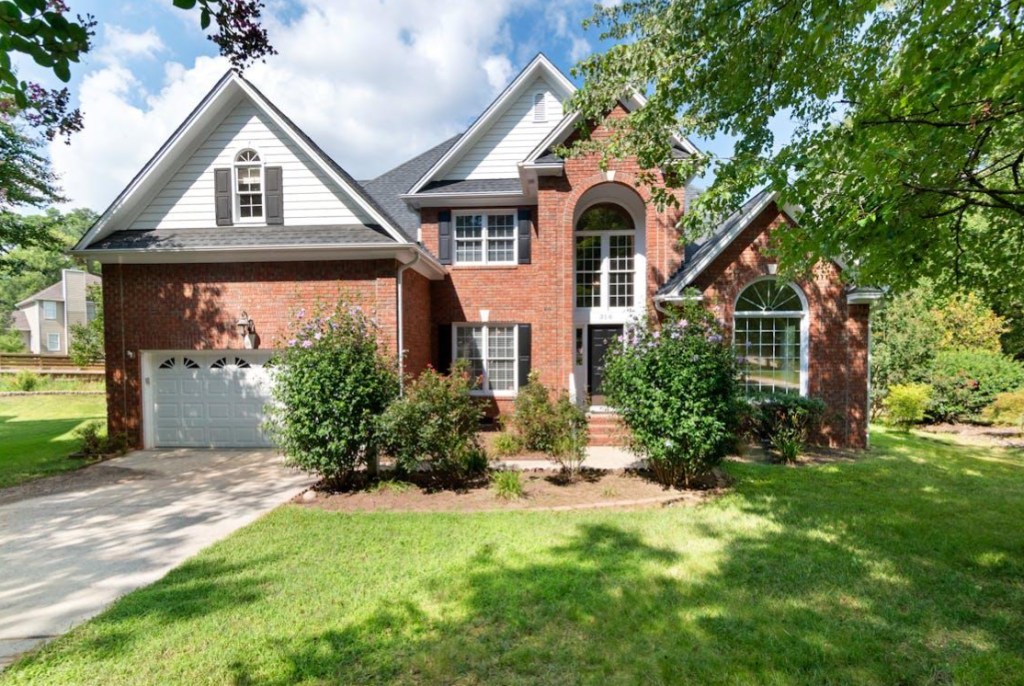
Creating a cohesive design throughout your home is the secret to achieving a harmonious and inviting living space. Whether you’re decorating a new house or refreshing your current one, the goal is to make each room feel connected to the others. A unified aesthetic doesn’t mean that every room needs to look the same but rather that there is a visual flow that ties the entire home together. This flow can make your home feel more intentional, comfortable, and visually pleasing.
Homeowners often encounter several challenges when trying to unify different design elements, especially if their home has gone through various renovations or if they have collected furniture and decor over time. The mix of styles, colors, and materials can sometimes create a disjointed look, making it difficult to achieve the desired cohesion. However, with a few strategic choices and thoughtful planning, you can bring together the different aspects of your home’s design to create a seamless and cohesive aesthetic.
1. Seeking Expert Help for Consistency
One of the most effective ways to achieve a cohesive design is to seek professional help from local architects in Clontarf. Experts can offer valuable advice and services that are tailored to your home’s specific needs, helping you unify the various design elements. Whether you’re looking to update your home’s exterior or interior, consulting with professionals can help you avoid common pitfalls and make choices that align with your overall vision. When it comes to tying both the interiors and exteriors, windows are a unique architectural feature that can tie everything together and create a cohesive design. They act as a bridge between the inside and outside. Alongside windows, siding helps attain a unified exterior façade for your house. Upgrading both windows and siding, however, requires professional services.
For homeowners in need of such services, C Michael Exteriors is an excellent option. They specialize in offering a variety of window styles, along with siding options, to help create a unified look for your home. Choosing the right windows and siding is crucial because these elements significantly impact the home’s exterior appearance, which should complement the interior design. Experts can help you select options that beautify your home’s curb appeal while achieving a consistent and harmonious design throughout your entire property.
2. Smart Home Technology for Unified Control
Integrating smart systems allows you to control various aspects of your home from a single interface, which can help maintain a consistent atmosphere across different rooms. This technology isn’t just about convenience; it’s also about creating a seamless experience that aligns with your home’s design.
For instance, smart lighting systems allow you to set consistent lighting levels and colors throughout your home, enhancing the visual flow from room to room. Similarly, automated window treatments can be programmed to adjust based on the time of day so that natural light complements the overall aesthetic. These technologies can be customized to match your design preferences. Alongside lighting, smart thermostats and climate control systems also contribute to a consistent environment.
3. Custom-Built Features
Custom-built features are another powerful tool in unifying your home’s aesthetic. These features, such as built-in shelving, cabinetry, or custom furniture, can be tailored to match the specific design elements of each room. This allows you to create a seamless transition between spaces, even if the rooms serve different functions or have distinct styles.
For example, custom cabinetry in the kitchen can be designed to complement built-in bookshelves in the living room, using the same wood or finish to create a sense of continuity. Similarly, a custom-built entertainment center can tie together the living room’s design elements, making the space feel cohesive. Investing in custom-built elements is a strategic way to bring together different aspects of your home’s design.
4. Functional Art and Installations
Incorporating functional art and installations is a unique way to unify your home’s design while adding character and depth to your spaces. Functional art refers to items that serve a practical purpose but also act as design elements that boost the aesthetic appeal of a room. Examples include statement lighting fixtures, artistic staircases, or sculptural furniture pieces. These items fulfill a functional role while also contributing to the visual flow and cohesion of your home.
For instance, a striking chandelier in the dining room can echo the design elements of a unique pendant light in the living room, creating a sense of continuity. Similarly, a sculptural staircase can act as a focal point that ties together the design of multiple floors.
5. Biophilic Design Elements
Biophilic design is an innovative approach to creating a cohesive home environment by integrating natural elements into your interior spaces. This design philosophy is based on the idea that incorporating elements of nature—such as plants, natural light, and organic materials—can enhance well-being while also unifying the overall aesthetic of your home. Biophilic design promotes a sense of calm and connection to nature, which can tie different areas of your home together through a consistent theme.
For example, placing similar types of plants in various rooms can create a visual link that unifies your spaces. Natural materials, like wood, stone, or bamboo, can be used across different rooms to reinforce this connection to nature. Additionally, maximizing natural light through large windows or strategically placed mirrors can enhance the cohesiveness of your design by making each room feel more connected to the outdoors.
6. Continuity Through Architectural Details
Architectural details, such as trim, molding, and door frames, play a significant role in unifying a home’s design. These elements are often overlooked, but they can be powerful tools in creating a seamless flow between different rooms. Consistent use of these details across your home helps tie together various spaces.
For instance, using the same style of crown molding or baseboards throughout your home can create a sense of continuity. Even if the rooms differ in function or decor, these consistent architectural details can act as a unifying thread that brings the entire home together. Additionally, incorporating unique yet consistent features—like archways or ceiling treatments—can add character to your home while maintaining a cohesive design. Paying attention to these small but impactful details ensures that every part of your home contributes to a unified aesthetic.
Achieving a cohesive home design is about creating a flow that connects each space in a meaningful way. From seeking expert help to integrating smart home technology, custom-built features, and functional art, each decision plays a crucial role in unifying your home’s aesthetic. Incorporating biophilic design elements and paying attention to architectural details further enhances this cohesion.