



When you’re stranded on the side of the road, the thought of needing a tow can be overwhelming. Whether your vehicle has broken down, you’ve run out of fuel, or you’ve been involved in an accident, understanding the steps to take can make a stressful situation more manageable. In this guide, we’ll walk you through the essential actions to take when you find yourself in need of a tow. From determining your location to choosing the right towing service, we’ve got you covered with practical tips and advice to ensure your safety and peace of mind.
Choose the Right Towing Service
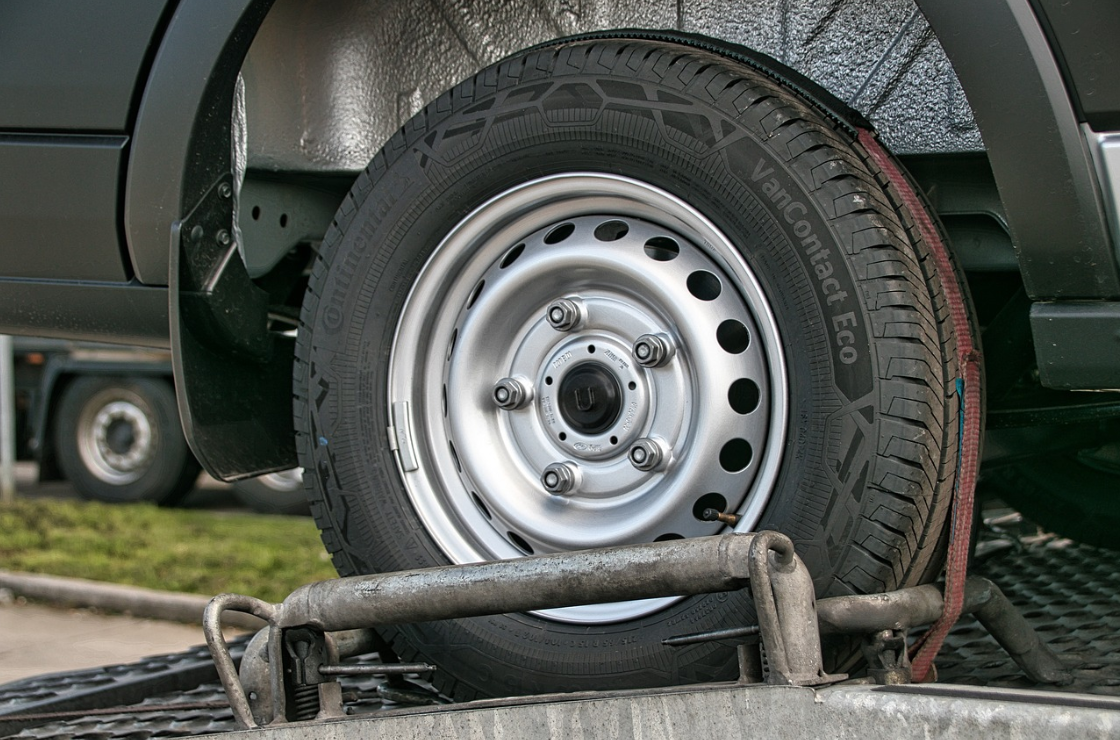
Selecting a reliable towing service is crucial for ensuring a smooth resolution to your situation. Start by checking for local towing companies that have good reviews and ratings. It’s beneficial to look for companies that are licensed and insured, as this not only guarantees a level of professionalism but also protects you in the event of any damage during the towing process. Whether you need Caboolture towing or a tow in Taree, make sure to do your research and choose a reputable towing service with experienced professionals. This helps to ensure efficient and safe towing of your vehicle. Remember that the cheapest option isn’t necessarily the best decision.
Check out the types of vehicles they’re using as it indicates the quality and capability of their towing service. Look into the top tow trucks for sale and whether or not the company invests in modern, well-maintained equipment to handle different towing needs. A reliable service should have tow trucks suited for standard vehicles, heavy-duty towing, and roadside assistance. Choosing a company with the right fleet ensures your vehicle is handled safely and efficiently, reducing the risk of further damage.
Move Your Vehicle (If Possible)
If your vehicle is in a safe location and it’s possible to move it, try to do so to prevent further hazards on the road. First, ensure that your surroundings are safe and that you’re out of harm’s way. If your vehicle is intact and can be driven a short distance, carefully steer it to the side of the road or into a parking lot to avoid blocking traffic. Turn on your warning lights to make other vehicles aware of your predicament. If you are unable to move your vehicle safely, stay inside with your seatbelt fastened and wait for assistance to arrive. Always prioritize your safety and the safety of those around you during this process.
Call for Help
Once you have chosen the right towing service and ensured your safety, it’s time to call for help. Use your mobile phone to contact the towing company you’ve selected. When making the call, be prepared to provide essential information that will help them assist you effectively. Start by clearly stating your location, which can often be determined by landmarks or GPS coordinates if you have a navigation app. A reliable towing company in your area will know exactly where to send assistance and can often provide an estimated arrival time. This ensures you’re not left waiting without updates and helps reduce stress in an already difficult situation.
Explain the nature of your vehicle’s issue briefly, whether it’s a breakdown, a flat tire, or if you’ve run out of fuel. This information helps the towing service prepare the right equipment for your situation, ensuring they arrive ready to assist.
While waiting for the tow truck to arrive, stay alert and monitor the road around you. If you’re in a high-traffic area, it may be wise to exit your vehicle and stay a safe distance away, especially if your car poses a hazard to other drivers. It’s also a good idea to keep your phone charged and ready, as you may need to update the towing company if your situation changes while you wait.
Stay with Your Vehicle
Staying with your vehicle is often the safest option while waiting for assistance, especially if you’ve broken down on a busy road. Your car serves as a protective barrier from traffic, and remaining inside offers a secure location until help arrives. Ensure that your seatbelt is fastened and keep the doors locked to enhance your safety. If you are in a high-traffic area, it’s wise to stay alert and adjust your position if necessary to remain out of harm’s way while keeping an eye on oncoming vehicles.
While you wait, it’s a good idea to make yourself visible to motorists. Turn on your hazard lights to alert other drivers, making it more evident that you are in distress. If you have safety flares or a reflective triangle, set those up at a safe distance behind your vehicle to further increase visibility.
If the weather is inclement and conditions inside the vehicle become uncomfortable or hazardous, consider venturing out but only if it’s safe to do so. In emergencies, it’s crucial to stay calm and patient, as help is on the way. Keeping your phone charged and ready for communication can also help ease anxiety during this time.
Document the Situation
As you wait for the towing service to arrive, it’s important to document the situation thoroughly. This can be vital for insurance claims or any potential disputes regarding the tow. Start by taking photos of your vehicle from various angles, including any damage or signs of trouble. If you were involved in an accident, photograph the surrounding area, including any other vehicles, road signs, and the conditions of the road. Ensure you capture the license plates of all vehicles involved, as this information could play a crucial role later.
Additionally, keep a record of any conversations you have with the towing company, including the time of the call, the name of the representative, and any details they provide about the estimated arrival time. Note down your observations such as the weather conditions, the time of day, and any unusual occurrences that could be relevant to your situation. This information not only assists with the insurance process but also helps provide a comprehensive narrative of events should any questions arise regarding liability or responsibility for the incident. Being thorough in your documentation can make a significant difference in resolving any follow-up issues after your vehicle has been towed.
Confirm the Towing Process
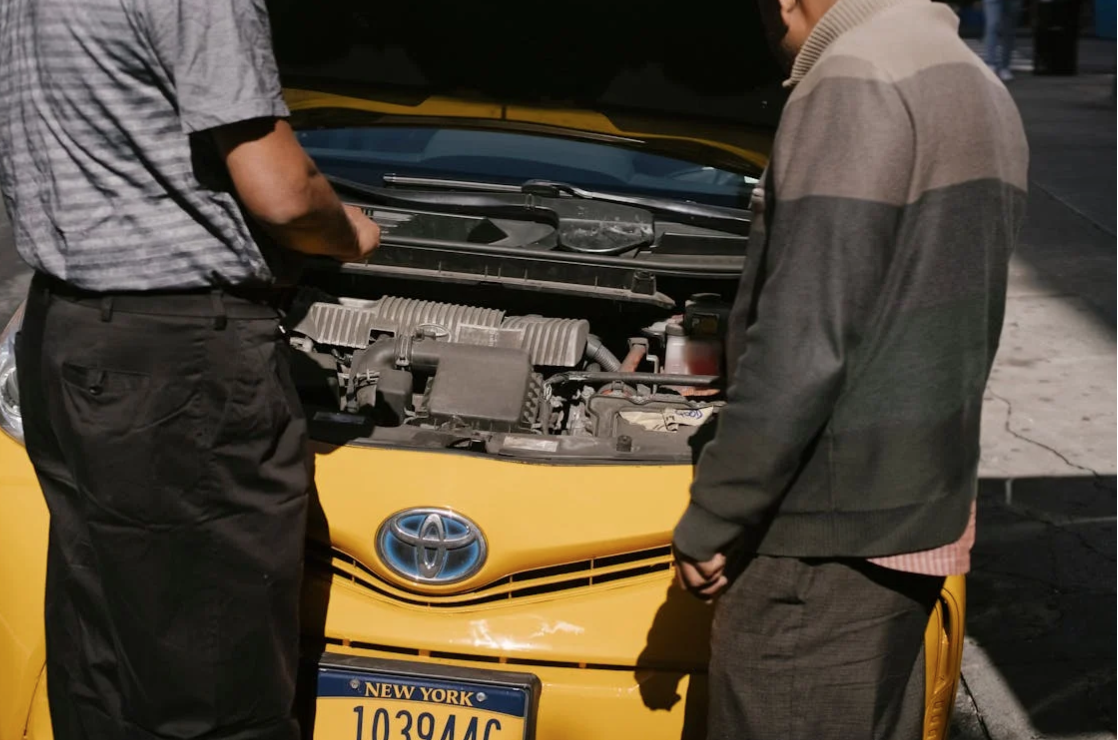
Once the tow truck arrives, it’s important to confirm the towing process to ensure everything goes smoothly. Greet the tow operator and provide them with a brief overview of your situation, including any relevant details that you documented earlier. This could include your vehicle’s issue and its current condition. The operator will conduct their assessment of your vehicle and may ask additional questions to gain a better understanding of how to proceed safely.
Before the towing begins, ensure that you understand how your vehicle will be secured and transported. Ask the operator about their towing procedures, including the type of equipment they will use and how they will protect your vehicle from potential damage during the tow. If you have any specific concerns or requests, communicate those clearly at this stage. Once you are satisfied with the towing process, allow the operator to proceed, and if possible, accompany them to ensure your vehicle is handled properly.
Being prepared and taking the necessary steps when you need a tow can help make the experience less stressful and more manageable. By choosing the right towing service, ensuring your safety, documenting the situation, and confirming the towing process, you can navigate this challenging situation with confidence and peace of mind.