


Proper disposal of waste is very crucial in the designs and construction of sustainable buildings. Managed waste involves seeking ways to eliminate waste, reducing waste where practical, and recycling waste materials. There are basic principles of solid waste management and in this article, you will find out those principles.
What is Construction Waste?
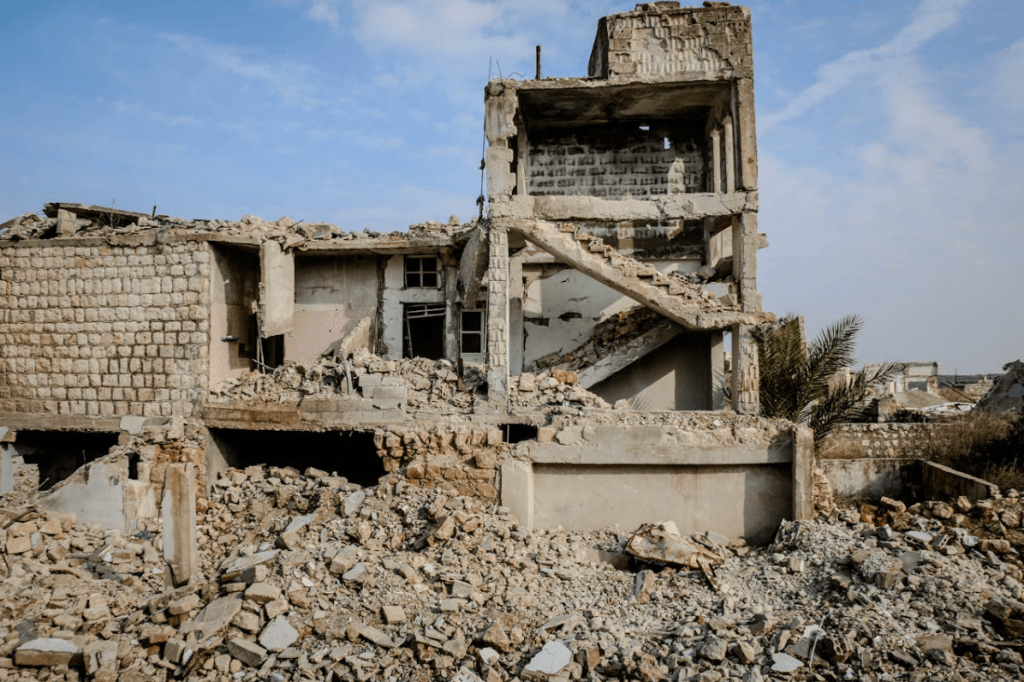
Construction and demolition waste materials include building debris, rubble, earth, concrete, steel, timber, and mixed site clearance materials with origin from land excavation or formation, civil and building construction, site clearance, demolition works, road construction, building renovation, and others. This also encompasses cases of waste in labor and energy when undertaking construction projects. Some of the internal factors that have been noted as constituting considerable challenges in the construction industry include material waste, which directly influences the efficiency of construction projects and the environmental footprint.
Reducing Construction Waste
Some waste that is developed because of construction can be reduced. The case of construction products should be chosen because they have been designed and produced to be packed for transport. Also, active choice and application of recyclable products and goods possess the potential to reduce waste products.
Correct Attitude
There are different ways of managing construction waste. This is not a simple process of just garbage disposal but covers the handling of construction trash. It is a holistic approach that can help effectively manage the utilization of building resources with a view of minimizing the dumping of waste while at the same time optimizing the use of waste that is already available in the form of trash. By hiring professional construction waste management services, you will be sure that your construction waste will be properly managed. They provide effective solutions for your disposal needs.
Minimize Source Reduction
If you minimize source reduction, you can decrease the existence of material utilization, energy consumption, and waste production. Perhaps the concerns of solid waste should receive the most attention. Source reduction is the primary step towards the prevention of waste generation. Some of them include avoiding new construction in favor of saving structures, using new construction space efficiently, designing new structures to be altered so that they last longer, constructing using a system that is dismantled easily with materials that can be recycled, and achieving various yields with innovative farming methods.
Recycling
Recycling construction and demolition waste reduces landfill area, reduces the impact of creating new material, and may also reduce the cost of construction projects by avoiding the purchase of new materials. Some of the construction parts and even trash may be used again. Aggregate and concrete products are often produced using recycled concrete and trash. Furniture, for instance, can be engineered from wooden items and these can be made of recycled wooden material. Apart from aluminum, other metals like steel, copper, and brass are also preferred recyclables.
Dangerous Substances
Green treatments are utilized in construction works involving wood, glass, and plastics, and such products are often poisonous. Other dangerous bituminous mixes contain coal tar. Some of the non-hazardous metals include copper, bronze, brass, aluminum, iron, steel, tin, etc.
Some dangerous metals to be cautious of are cables containing oil, coal tar, and other poisonous and toxic materials. Then some soils and stones may be carrying other poisonous elements or compounds with them. These include any material that has pieces of asbestos.

The primary objective of construction waste management is to manage construction waste, demolition, and land-clearing debris intended for landfill disposal, recycled recovery of construction materials, and demolition materials to return them to the manufacturing cycle and redirect reusable construction and demolition waste materials to suitable locations.