



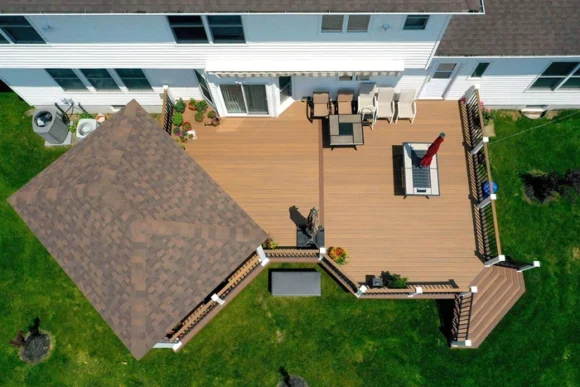
When it comes to outdoor living spaces, a deck is often the centerpiece of a backyard. Homeowners use decks for family gatherings, entertaining guests, or simply enjoying the beauty of nature right outside their door. While wood decks have been the traditional choice for decades, composite decking has quickly become a popular alternative. Before you start searching for composite deck builders, it’s important to understand the advantages and potential drawbacks of this material.
What Is Composite Decking?
Composite decking is a manufactured material made from a blend of wood fibers, plastics, and bonding agents. Unlike natural wood, which requires regular maintenance, composite decks are designed to provide the look of wood with enhanced durability and resistance to the elements. Today, composite decking comes in a wide range of colors, finishes, and textures, making it an appealing option for modern outdoor living spaces.
The Pros of Composite Decking
1. Low Maintenance
One of the biggest advantages of composite decking is that it requires very little upkeep. Unlike wood, which needs annual sealing, staining, or painting, composite decks can be maintained with just soap, water, and the occasional rinse. This saves homeowners time, effort, and long-term costs on maintenance products.
2. Durability and Longevity
Composite decks are built to last. They resist fading, staining, mold, and mildew much better than wood. Additionally, they won’t splinter, crack, or warp, even after years of exposure to sun, rain, and snow. With proper installation by skilled composite deck builders, your deck could last 25–30 years or more.
3. Eco-Friendly Choice
Many composite decking brands use recycled plastics and reclaimed wood fibers in their products. By choosing composite, you’re helping reduce the demand for virgin timber and minimizing plastic waste. For environmentally conscious homeowners, this is a strong selling point.
4. Aesthetic Appeal
Modern composite decking mimics the look of real wood with impressive accuracy. From rich, natural hues to contemporary grays and blacks, homeowners can select from a wide range of styles to match their home’s exterior. Some premium lines even feature multi-tonal finishes that enhance the realism.
5. Safety Benefits
Composite materials are splinter-free, making them safer for kids, pets, and anyone walking barefoot. Many composite boards also have slip-resistant textures, which is particularly beneficial around pools or in areas with frequent rainfall.
6. Long-Term Value
While the upfront cost may be higher than traditional wood, composite decks often provide better long-term value. Reduced maintenance, fewer repairs, and extended longevity mean that many homeowners save money over the lifespan of the deck.
The Cons of Composite Decking
1. Higher Initial Cost
One of the most common drawbacks of composite decking is its price. The upfront investment can be significantly higher than pressure-treated lumber or cedar. This can make it less appealing to homeowners working with a tight budget. However, many find that the long-term savings balance out the initial expense.
2. Heat Retention
Composite boards can get hot in direct sunlight, making them uncomfortable to walk on barefoot during the peak of summer. While lighter colors tend to absorb less heat, homeowners in very sunny climates may find this to be a drawback.
3. Weight and Installation
Composite decking boards are heavier than wood, which can make them more challenging to work with. Proper installation often requires professional composite deck builders who understand how to handle the material, ensuring the deck is structurally sound and visually appealing.
4. Limited Natural Look
While manufacturers have made great strides in replicating the appearance of natural wood, some homeowners still prefer the authenticity of real lumber. For those who love the smell, feel, and texture of genuine wood, composite may not fully capture that charm.
5. Possible Fading or Scratching
Although composite decking is more resistant to fading than wood, it isn’t completely immune. Over time, boards may lose some of their vibrancy. Additionally, while the material is durable, it can still be scratched by heavy furniture, dragging items, or sharp objects.
6. Non-Biodegradable
While many composite boards are made from recycled materials, they are not biodegradable. At the end of their lifespan, they may contribute to landfill waste. However, some manufacturers are beginning to implement recycling programs to address this issue.
Key Considerations Before Choosing Composite Decking
- Budget: Weigh the higher upfront cost against the long-term maintenance savings.
- Climate: Consider how your local weather conditions may impact performance, such as heat retention or mold resistance.
- Design Preferences: Explore the wide range of colors and textures available to ensure you find a look that matches your home.
- Professional Installation: Hire experienced composite deck builders who can properly install and secure your deck for years of enjoyment.
Conclusion
A composite deck offers a blend of beauty, durability, and convenience that makes it an attractive choice for many homeowners. While it does come with a higher initial cost and some minor drawbacks, the benefits often outweigh the disadvantages, especially when considering long-term value and minimal upkeep. If you’re looking for a stylish and low-maintenance way to enhance your outdoor space, consulting with trusted composite deck builders is the best step forward.
By carefully considering the pros and cons, you can make an informed decision and create an outdoor retreat that suits your lifestyle for years to come.