



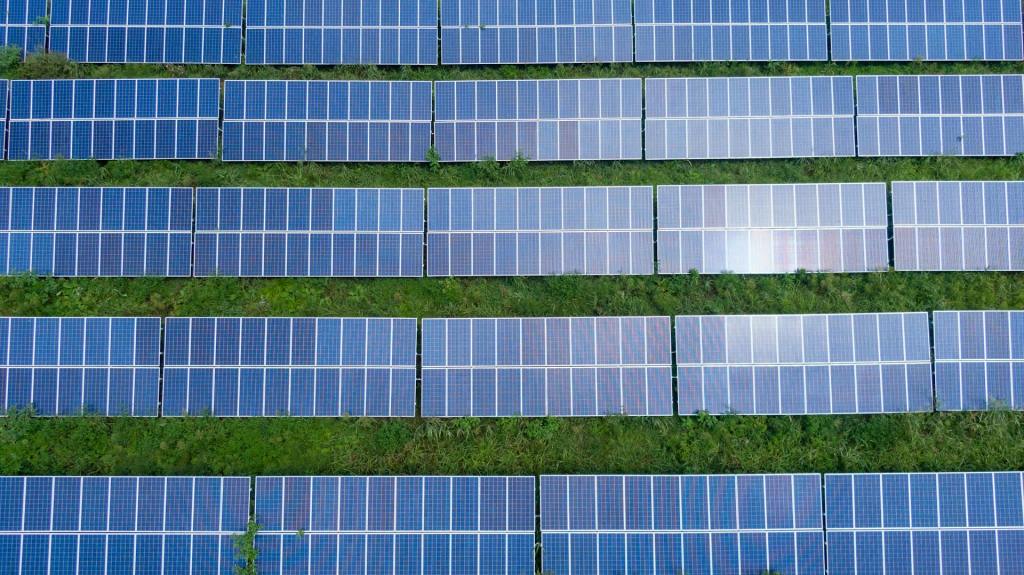
Solar panels have become one of the most economical and widely used renewable energy sources, with rising environmental concerns and escalating energy prices. With the use of the sun’s energy in a sustainable manner, residential as well as commercial consumers can lower dependence on conventional sources significantly, reduce utility bills, reduce carbon emissions, and save on bills in turn, thereby reducing their carbon footprint considerably and saving on bills in turn.
How Solar Panels Can Reduce Energy Consumption
Solar panels provide a powerful and concrete way to reduce energy consumption. Through generating electricity directly during the day rather than relying on grid electricity supplies for power, solar system homeowners create their own source of electricity that contributes to reduced overall use. A diagram illustrates this significant reduction in electricity use:
During sunny times, this system creates and provides home power directly from solar cells.
Net Metering: Excess can be fed back into the grid for credit against consumption during nights and cloudy days, with possible extra credits that balance bills on account of this energy loss.
Battery Storage: When excess becomes available, some systems save it for later use, further reducing grid dependency by reducing dependence.
Cut grid-supplied power to save on utility bills and put less pressure on local power networks.
Environmental Advantages of Solar Panels
One of the major attractions to solar panel investment is its environmental benefits; here are just a few examples.
Solar Energy Reduces Greenhouse Gas Emissions: Solar power does not emit carbon dioxide or any other harmful emissions to the environment, assisting us in reducing greenhouse gas emissions.
More Solar Power Generation Capacity: Going solar makes us depend less on non-renewable sources of energy such as coal, oil, and natural gas, while we end up saving money too.
Cost Efficiency and Financial Savings
Solar panel Installer might cost a lot at first, but their long-term financial benefits show through in the long run. This is how homeowners can save:
Reduce Your Monthly Electric Bills: Producing your own power can substantially reduce monthly energy expenses.
Incentive Programs and Tax Credits: State and federal governments provide monetary incentives that might lower installation fees.
Increase of Property Value: Houses that come with solar energy systems tend to have higher resale values.
Solar Estimate Services provides homeowners with a precise estimate of possible savings, considering sunlight exposure, system size, and local utility rates to provide a personalized financial breakdown of possible savings.
Choosing an Appropriate Solar Panel System
There are several solar panel types and configurations to consider when selecting an optimal system:
Monocrystalline Panels: Monocrystalline panels are energy-saving and efficient and have a sleek look, providing peak efficiency at reasonable prices.
Polycrystalline Panels: Less efficient but cheaper panels are also easily available in the marketplace.
Thin Film Panels: Thin-film panels provide thin and flexible products meant for specialized use.
Solar Panels in Domestic Energy Management
Home solar panels are the foundation for intelligent energy management in homes. When integrated with devices such as smart thermostats and energy-efficient appliances, homeowners can optimize the benefits of solar energy to their maximum benefit – something solar panels make possible!
Smart Grids: Facilitating flexible use of energy.
Home Energy Monitoring Systems: Offer real-time information on energy generation and consumption patterns.
Time-of-Use Pricing: As self-production or energy storage becomes more cost-effective for homeowners, their capacity to avoid peak-hour rates through self-production or energy storage is now accessible.
As people get to produce and utilize energy, their resistance to utility rate shock rises exponentially.
Local Matters for Residential Solar Companies in PA
Choosing local providers has several benefits when looking for solar providers, like Residential Solar Company PA, which knows the Pennsylvania-specific weather, state incentives, and permitting laws better than providers from outside. Secondly, local providers are more likely to offer quicker help and customized services, which are key elements in successful installation or maintenance work.
Solar Panel Challenges and Considerations
Although solar panels provide numerous benefits, you should note a few stumbling blocks as possibilities:
Installation Expenditure: Although installation rates have experienced severe declines over time, installation nonetheless remains an upfront monetary investment to be taken cautiously.
Weather Requirements: Solar electricity generation is utterly dependent on the availability of sunlight in order to make electricity.
Rooftop Suitability: All roofs might not be conducive to solar installation because of shading problems, orientation, or structural limitations.
But with good planning and expert guidance, many of these issues can be resolved or at least minimized.
Conclusion
Solar technology evolves and becomes less expensive; today is a good time to learn about how renewable energy might suit your home or business. Changing to green power is more than fleeting fashions; instead, it’s long-term commitments to a more environmentally friendly world.
FAQs
1. For how long are solar panels guaranteed?
The majority of solar panel warranties last between 25 and 30 years; however, many panels will still generate electricity after this period, but at lower efficiencies.
2. Will solar panels entirely eliminate my electric bill?
No. Solar energy systems can greatly reduce your bill, but their complete elimination will depend on system size and usage patterns.
3. Do solar panels perform well on cloudy or winter days?
Yes, solar panels do perform during such days despite the temporary cover-up by snow; however, sloped surface panels allow the snow to slide off more easily than otherwise would be the case.
4. Will Solar Panels Pay Off When Selling Soon?
Adding solar panels might bring real value and cachet to homebuyers seeking environmentally friendly lifestyles, possibly paying back some or even all your investment through more favorable selling prices and a boosted bottom line.
5. What steps should be taken when starting to install solar panels?
First, conduct an energy audit or reach out to an installer such as Solar Estimating Services, who specializes in energy audits for potential savings estimates and system requirements assessment.