



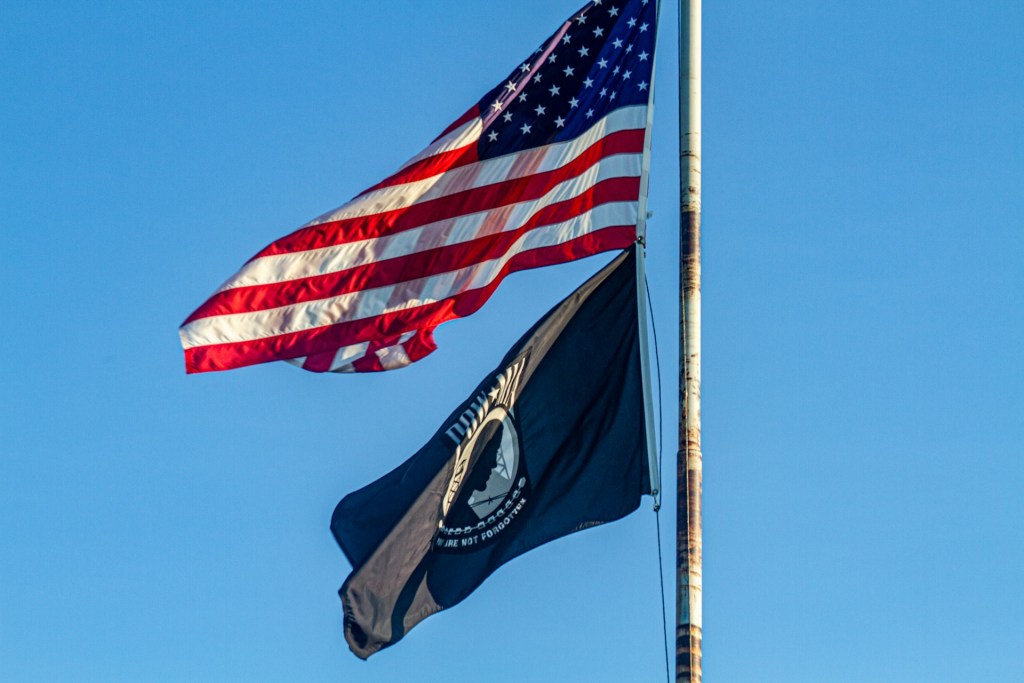
 National Former Prisoner of War Recognition Day, observed annually on April 9, honors the bravery and resilience of American service members who endured captivity. These individuals faced unimaginable hardships, yet their courage and sacrifice remain vital to the nation’s history. This day allows them to reflect on their experiences, recognize their struggles, and express gratitude for their service.
Communities across the country commemorate the day with ceremonies, educational programs, and moments of remembrance. Veterans organizations, military bases, and government institutions host events to share the stories of former POWs, ensuring their sacrifices are never forgotten.
Many people also show their support by wearing military memorabilia, such as a Navy hat, as a symbol of respect and remembrance. National Former POW Recognition Day is about honoring the past and ensuring these brave individuals receive the recognition and support they deserve.
The History Behind National Former POW Recognition Day
National Former Prisoner of War Recognition Day is observed on April 9 to mark the anniversary of the fall of Bataan during World War II. On this day in 1942, thousands of American and Filipino soldiers were captured by Japanese forces and forced into the brutal Bataan Death March. The event became one of the most infamous wartime atrocities, symbolizing the suffering endured by POWs.
While this day is rooted in World War II history, it also honors prisoners of war from other conflicts, including the Korean War, Vietnam War, and more recent military engagements. Congress officially designated the observance in 1988 when it passed legislation recognizing the sacrifices of former POWs.
Since then, the day has served as a national moment of reflection and gratitude. By remembering these individuals and their hardships, the country reaffirms its commitment to guaranteeing that their stories and sacrifices are never forgotten.
The Experiences of Former Prisoners of War
The experiences of prisoners of war vary by conflict, but all share common themes of hardship, endurance, and resilience. POWs have faced extreme physical conditions, including malnutrition, forced labor, and brutal treatment by captors. Many endured years of confinement with little knowledge of when or if they would be freed. Despite these challenges, many found ways to maintain hope, support fellow prisoners, and resist their captors in any way possible.
Beyond the physical hardships, former POWs often carry lasting psychological and emotional scars. Many struggle with post-traumatic stress disorder (PTSD), survivor’s guilt, and the difficulty of reintegration into civilian life.
Organizations such as the Department of Veterans Affairs provide resources to help former POWs cope with these challenges. National Former POW Recognition Day honors their experiences by acknowledging their struggles and sharing their stories.
How the Nation Recognizes Former POWs Today
National Former Prisoner of War Recognition Day is observed across the United States through ceremonies, educational programs, and official proclamations. Government institutions, veterans’ organizations, and military bases host events to honor former POWs and share their stories. The Department of Veterans Affairs, along with groups like the American Ex-Prisoners of War Organization, provides ongoing support and resources to those who endured captivity.
Memorials and museums dedicated to POWs, such as the National POW/MIA Memorial and Museum, serve as places of reflection and education. Schools and universities often incorporate discussions about the experiences of POWs into history lessons so that younger generations understand their sacrifices.
Also, the President issues an annual proclamation recognizing the bravery of former POWs. These efforts acknowledge their hardships and reinforce the nation’s commitment to remembering and supporting those who suffered in service to their country.
Ways to Show Support and Honor Former POWs
Honoring former POWs goes beyond official events; it also includes personal acts of remembrance and appreciation. Attending ceremonies or participating in community observances is one way to pay tribute.
Many local veterans’ organizations welcome volunteers who want to support former POWs and their families. Donating to charities that provide medical, psychological, and financial assistance to former POWs can make a meaningful impact.
Education is another powerful way to honor their legacy. Reading books, watching documentaries, and sharing stories about POWs help ensure their experiences are not forgotten. Visiting POW memorials or museums can also provide a deeper understanding of their sacrifices. Even small gestures, like thanking a former POW or writing a letter of appreciation, can show gratitude for their service.
Preserving the Legacy of Former POWs
National Former Prisoner of War Recognition Day honors the resilience and sacrifice of those who endured captivity in service to their country. Their legacy remains alive for future generations through remembrance events, education, and acts of gratitude.
Recognizing their struggles is one way to ensure they are never forgotten. Whether attending a ceremony or simply learning their stories, every effort helps preserve the history of these courageous individuals who gave so much to their nation.