


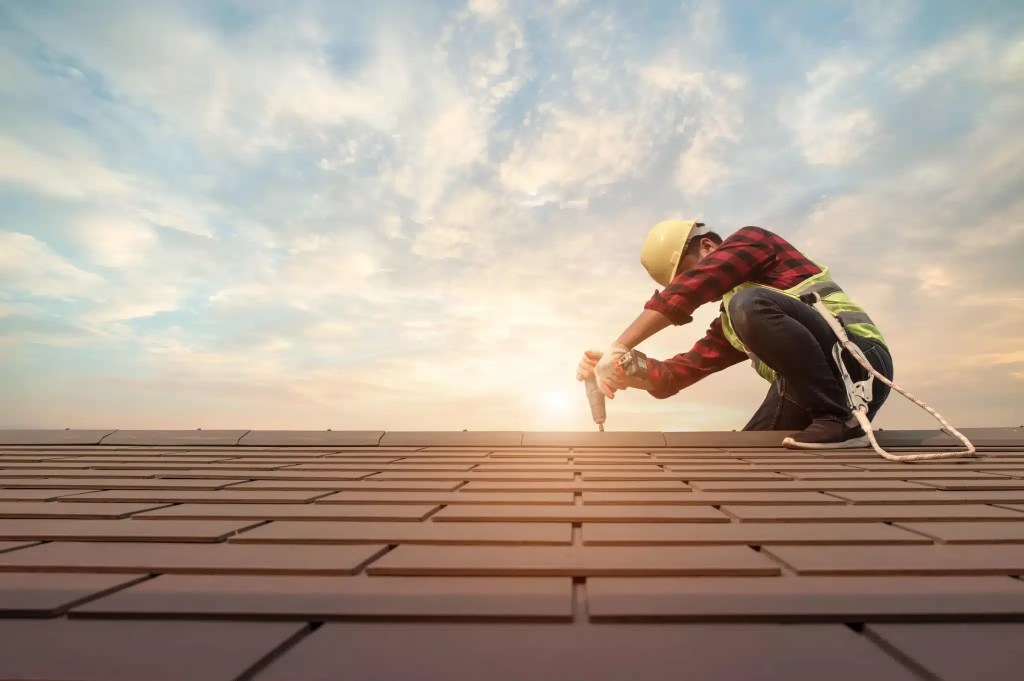
A home’s roof is far more than a visible exterior feature; it is a critical system that protects the structure, supports energy efficiency, and contributes significantly to long-term property value. From shielding interiors against weather extremes to enhancing architectural character, a well-designed and properly maintained roof plays an essential role in everyday comfort and safety. Understanding how roofing systems work, which materials perform best, and how installation and upkeep influence durability can help homeowners make informed decisions that benefit their homes for decades.
This in-depth guide explores every major aspect of modern home roofing, including materials, structural components, installation practices, maintenance strategies, and future trends. Whether you are building a new home or planning an upgrade, a deeper understanding of this topic empowers you to protect one of your most important investments with confidence.
The Role of a Roofing System in a Home
A roofing system is a complex assembly of components that work together to keep water out, regulate temperature, and maintain structural integrity. While shingles or tiles are the most visible elements, they represent only one part of a much larger system. Beneath the surface lie underlayments, ventilation components, flashing, decking, and drainage pathways, all of which must function in harmony.
The primary function of a roof is protection. Rain, snow, wind, and sunlight constantly test its strength. A well-constructed system directs water away from vulnerable areas, prevents leaks, and reduces the risk of mold or rot. Equally important is thermal performance. Roofs play a major role in regulating indoor temperatures by reflecting heat, providing insulation, and allowing proper airflow. When these factors are balanced correctly, homeowners benefit from lower energy costs and improved comfort throughout the year.
Key Components That Ensure Performance
Understanding the basic components of a roofing system helps clarify why professional design and installation are so important. Each layer has a distinct purpose, and weaknesses in one area can compromise the entire structure.
The roof deck serves as the foundation. Typically made of plywood or oriented strand board, it supports the weight of all other materials. On top of the deck lies the underlayment, a moisture-resistant barrier that provides secondary protection against water infiltration. Flashing, often installed around chimneys, vents, and valleys, seals vulnerable joints where leaks commonly occur.
Ventilation components are equally critical. Proper airflow allows hot, moist air to escape from the attic, reducing heat buildup and preventing condensation that can damage insulation or wood framing. Gutters and drainage systems complete the picture by directing water safely away from the home’s foundation.
Roofing Materials and Their Characteristics
Choosing the right roofing material requires balancing aesthetics, durability, cost, and climate considerations. Each option offers distinct advantages and limitations, making it essential to evaluate how it aligns with a home’s design and long-term goals.
Asphalt shingles remain one of the most widely used materials due to their affordability and versatility. They come in various colors and styles, allowing homeowners to achieve a customized look without excessive expense. Modern versions often include enhanced durability features and improved resistance to wind and algae growth.
Metal roofing has gained popularity for its longevity and energy efficiency. Available in panels or shingles, metal reflects sunlight and withstands harsh weather conditions. While the upfront cost may be higher, the extended lifespan and reduced maintenance needs often offset the initial investment.
Tile roofing, commonly made from clay or concrete, is prized for its durability and distinctive appearance. These materials can last for decades when properly installed, though they require a strong structural foundation due to their weight. Slate offers similar longevity and elegance, making it a premium option for homeowners seeking timeless beauty.
Wood shakes and shingles provide a natural, rustic aesthetic. While visually appealing, they demand careful maintenance and may not be suitable in areas prone to fire or excessive moisture. Advances in treated wood products have improved resistance, but homeowners should consider long-term upkeep before choosing this option.
The Importance of Professional Installation
Even the highest-quality materials can fail prematurely if installation is poorly executed. Precision, experience, and adherence to best practices are essential to ensure that each component performs as intended. Professional installers understand how to integrate materials correctly, manage slopes and angles, and seal vulnerable areas effectively.
During installation, attention to detail makes a significant difference. Proper alignment of shingles or panels, correct placement of flashing, and adequate fastening techniques all contribute to a roof’s resilience. Ventilation design is another area where expertise matters, as improper airflow can shorten a roof’s lifespan and increase energy costs.
A professionally installed system also ensures compliance with building codes and manufacturer requirements. Many warranties depend on proper installation, meaning that cutting corners can void coverage and lead to costly repairs down the line.
Maintenance as a Long-Term Investment
Regular maintenance is essential for preserving the performance and appearance of a roof. Small issues, if left unaddressed, can escalate into major problems that require extensive repairs or full replacement. Routine inspections help identify damaged shingles, clogged gutters, or compromised flashing before they cause significant harm.
Cleaning debris from the roof surface and drainage systems prevents water from pooling and reduces the risk of leaks. Trimming overhanging branches minimizes the accumulation of leaves and protects against impact damage during storms. In colder climates, addressing ice buildup and ensuring proper insulation helps prevent structural stress and water infiltration.
Scheduling periodic professional inspections adds another layer of protection. Trained eyes can spot subtle warning signs that homeowners may overlook, extending the roof’s lifespan and maximizing return on investment.
Energy Efficiency and Environmental Considerations
Modern roofing systems contribute significantly to a home’s energy efficiency. Reflective materials, improved insulation, and advanced ventilation designs work together to regulate indoor temperatures and reduce reliance on heating and cooling systems.
Cool roofing options, designed to reflect more sunlight and absorb less heat, are particularly effective in warmer regions. These systems help lower surface temperatures, resulting in reduced energy consumption and improved comfort. In colder climates, proper insulation and airtight construction prevent heat loss and minimize condensation risks.
Sustainability has also become a key consideration. Many homeowners now prioritize recyclable materials, long-lasting products, and environmentally responsible manufacturing processes. Choosing durable materials reduces waste by minimizing the frequency of replacements, while energy-efficient designs lower overall environmental impact.
Planning for Repairs and Replacement
No roof lasts forever, and understanding when repairs or replacement are necessary helps homeowners plan proactively. Signs such as persistent leaks, widespread shingle damage, sagging areas, or rising energy bills may indicate underlying issues that require professional evaluation.
Repairs are often sufficient for isolated problems, such as localized storm damage or minor flashing failures. However, when damage is extensive or the roof has reached the end of its expected lifespan, replacement becomes the more cost-effective solution. A new system provides an opportunity to upgrade materials, improve insulation, and enhance overall performance.
Budgeting for future work is an important part of homeownership. Setting aside funds and understanding financing options allows homeowners to address roofing needs without undue stress, ensuring that their homes remain protected at all times.
How Design Influences Performance and Style
Roof design affects both functionality and visual appeal. Factors such as slope, shape, and overhangs influence how effectively water drains, how ventilation is managed, and how the roof complements the home’s architecture.
Steeper slopes generally shed water more efficiently, reducing the risk of leaks and ice buildup. Complex designs with multiple valleys or dormers can add character but require careful detailing to prevent vulnerabilities. Overhangs provide additional protection by directing water away from walls and foundations while offering shade that enhances energy efficiency.
Balancing aesthetics with practicality is key. A thoughtfully designed roof enhances curb appeal while supporting long-term performance and durability.
Working With Knowledgeable Professionals
Selecting experienced professionals is one of the most important decisions homeowners make when addressing roofing needs. Reputable contractors provide transparent communication, detailed estimates, and clear timelines. They also stay informed about evolving materials, techniques, and safety standards.
A strong working relationship ensures that expectations are met and potential challenges are addressed proactively. From material selection to final inspection, collaboration between homeowners and professionals leads to better outcomes and greater peace of mind.
When discussing options, homeowners should feel comfortable asking questions about warranties, maintenance requirements, and long-term performance. Clear answers and documented agreements protect both parties and support successful projects.
Long-Term Value of Quality Roofing Choices
Investing in high-quality materials and skilled installation yields long-term benefits that extend beyond immediate protection. A durable roof enhances property value, improves energy efficiency, and reduces the likelihood of unexpected expenses. Buyers often view a well-maintained roof as a sign of responsible ownership, making it a valuable asset in real estate markets.
Additionally, a reliable system supports overall structural health. By preventing moisture intrusion and regulating temperature, it protects framing, insulation, and interior finishes from damage. Over time, these benefits compound, making thoughtful roofing decisions a cornerstone of responsible homeownership.
In the broader context of home improvement, residential roofing represents a critical area where informed choices have lasting impact. Understanding materials, maintenance, and design principles empowers homeowners to make decisions that align with their needs and values.
Emerging Trends and Future Innovations
The roofing industry continues to evolve, driven by technological advancements and changing homeowner priorities. Smart roofing systems, integrated with sensors that monitor moisture and temperature, offer real-time insights into performance and potential issues. These innovations allow for proactive maintenance and enhanced protection.
Solar-integrated roofing solutions are also gaining traction. By combining energy generation with traditional protective functions, these systems offer a seamless approach to sustainability. As technology advances and costs decrease, more homeowners are expected to explore these options.
Materials science continues to improve durability and efficiency, with new coatings and composites designed to withstand extreme conditions. These innovations promise longer lifespans, reduced maintenance, and improved environmental performance, shaping the future of residential roofing in meaningful ways.
Final Thoughts on Protecting Your Home
A roof is more than a covering; it is a system that safeguards comfort, efficiency, and structural integrity. By understanding its components, selecting appropriate materials, prioritizing professional installation, and committing to regular maintenance, homeowners can ensure long-term performance and peace of mind.
As homes evolve to meet modern demands, thoughtful roofing choices remain a foundational element of responsible ownership. Whether planning an upgrade or maintaining an existing system, a well-informed approach supports durability, value, and sustainability. In the end, investing in quality and knowledge ensures that residential roofing continues to protect and enhance homes for generations to come.