



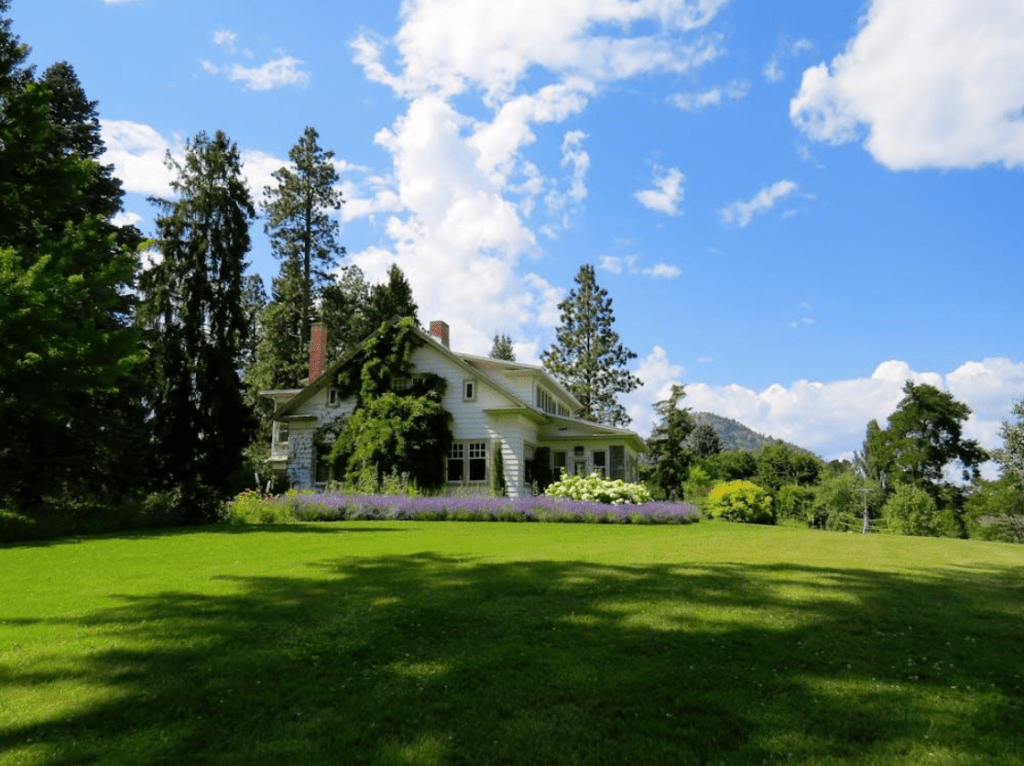
Trees are a wonderful addition to any property, offering shade, beauty, and even environmental benefits. However, their placement around your home can have a big impact on both safety and maintenance. Planting trees too close to structures or utilities can lead to unexpected problems that range from clogged gutters to costly repairs. Careful planning and upkeep are essential to keep your home safe while enjoying the benefits of greenery.
For residents of Sandy, Utah, where the natural landscape includes many beautiful trees, understanding their placement is even more important. The scenic surroundings add value to homes, but poorly placed or neglected trees can create risks. Knowing how to balance aesthetics with practical tree care helps homeowners protect their properties and reduce unnecessary maintenance headaches.
Risks of Overgrown or Poorly Placed Trees
Trees that are planted too close to a home can quickly become a liability. Over time, their branches may grow to overhang roofs, causing issues like broken shingles, trapped moisture, or even pests seeking shelter. Hiring a professional tree pruning service can help control growth and reduce these risks before they escalate. Additionally, falling leaves, twigs, and branches can clog gutters, which can result in water pooling and potentially damaging the roof or foundation. In some cases, aggressive root systems may spread toward the home’s foundation, causing cracks or structural instability.
When a tree becomes more of a hazard than a benefit, professional services may be required. Getting tree removal services is advised when trees pose significant risks to your property. Experts can safely assess and remove trees that are too close to structures or have outgrown their space, protecting the home while preserving the overall landscape. Look up tree removal services Sandy to learn more.
Protecting Structures and Utilities
Trees placed near utility lines or underground systems can create a host of problems. Overhanging branches can interfere with power lines, leading to outages or safety risks, while roots growing near plumbing systems or septic tanks can cause serious blockages and damage. These risks highlight the importance of considering utility locations when planting trees or maintaining existing ones.
Regular inspections and preventive maintenance can reduce the likelihood of issues. Keeping branches trimmed back from power lines and monitoring root growth near plumbing systems helps prevent expensive repairs. Understanding these risks is particularly important in areas where natural growth may intersect with modern infrastructure.
Enhancing Curb Appeal While Ensuring Safety
Thoughtful tree placement doesn’t just protect your home—it can also boost curb appeal. Well-placed trees can frame your property beautifully, create inviting outdoor spaces, and even increase its market value. However, balancing aesthetics with safety is key. Planting trees too close to driveways, sidewalks, or other access points can create hazards for visitors or limit visibility.
Choosing the right tree species and planting them at appropriate distances from structures is a smart way to enhance your home’s appearance without compromising safety. Small to medium-sized trees are ideal for spaces closer to the house, while larger trees should be placed further back to prevent overgrowth. With a bit of planning, it’s possible to enjoy the best of both worlds—a stunning landscape that doesn’t sacrifice safety or convenience.
Mitigating Storm Damage Risks
Storms are nature’s way of keeping us on our toes but poorly placed or neglected trees can turn a wild storm into a homeowner’s nightmare. Overgrown branches are a top culprit for damage during high winds, often breaking off and landing on roofs, cars, or anything else in their path. Uprooted trees can also cause significant structural damage, making storm preparation a must for tree owners.
Strategically placed trees and regular pruning can reduce these risks. Keeping branches trimmed and addressing any leaning or unstable trees before the storm season arrives makes a world of difference. For homeowners, this means enjoying the beauty of nature without dreading the next big windstorm.
Dangers of Having Too Many Trees
While trees are beautiful and beneficial, having too many on your property can create unexpected challenges. Overcrowding can limit the sunlight and nutrients available for each tree, causing weaker growth and making them more prone to disease. Dense tree canopies can also trap moisture, leading to mold, rot, and pest infestations that can spread to nearby structures.
An excessive number of trees can also pose safety risks. Overgrown branches or unstable trunks increase the likelihood of falling debris during storms, especially if multiple trees are competing for space. Regular evaluations and thinning out unnecessary trees help reduce these hazards, creating a balanced landscape that is both safe and easy to maintain. Sometimes, less really is more when it comes to trees.
Maintenance Tips for Healthy Trees
Healthy trees are happy trees, and keeping them in top shape is easier than you might think. Regular trimming helps control growth and also encourages stronger branches that are less likely to snap during a storm. Watering is equally important, especially for younger trees or during dry spells, to keep root systems healthy and thriving.
Don’t forget to keep an eye out for signs of trouble, such as discolored leaves, dead branches, or unusual growth patterns. Calling in a professional for an annual check-up can help spot potential issues on time, preventing small concerns from becoming big problems. A well-maintained tree is a safe tree, and it also happens to look great in your yard.
Benefits of Proactive Tree Management
Proactive tree management is the superhero your home needs, swooping in to save the day before problems arise. Regularly inspecting and maintaining your trees prevents costly repairs and reduces unexpected hazards. Taking the time to care for your trees keeps them healthy so they complement your home rather than create trouble.
Beyond safety and cost savings, proactive management adds value to your property and keeps the environment looking its best. Healthy, strategically placed trees contribute to a greener, more appealing landscape, making your home the envy of the neighborhood. Plus, you’ll save yourself the stress of last-minute emergency calls to fix tree-related problems.
Tree placement isn’t just about aesthetics—it’s a balancing act between beauty, safety, and practicality. Whether it’s protecting your home from storm damage, avoiding tangled power lines, or creating a stunning yet functional landscape, thoughtful tree care plays a critical role. For homeowners, a little planning and proactive maintenance go a long way. Well-placed and healthy trees make your property safer, reduce maintenance headaches, and add that extra charm to your outdoor spaces. Treat your trees right, and they’ll reward you with shade, beauty, and peace of mind for years to come.