



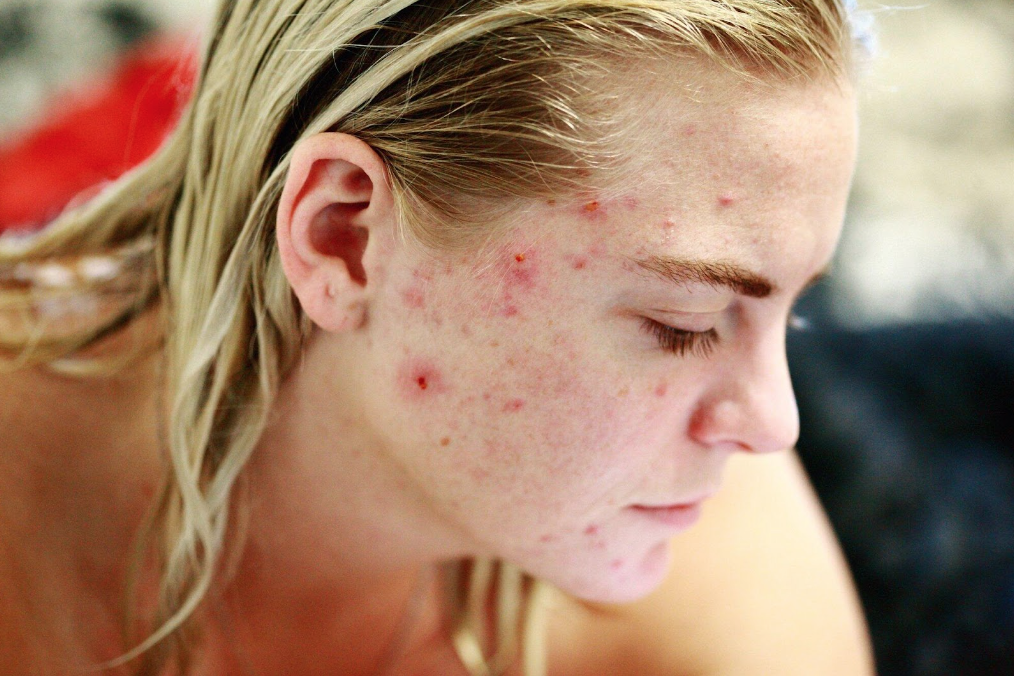
Acne can be incredibly frustrating for many individuals. Characterized by pimples, blackheads, and cysts, it often significantly impacts a person’s self-esteem. While it commonly affects teenagers, adults can also suffer from persistent acne well into their thirties and forties. This guide will explore various options, including skincare routines, lifestyle changes, and professional interventions. Getting to the root of the problem may require trial and error, but it’s essential for achieving lasting results.
Medical Spa Treatments
For those seeking more advanced solutions, medical spa treatments may provide effective options for stubborn acne. Chemical peels, for instance, can help remove dead skin cells and improve skin texture. Laser therapies also present a promising avenue, using focused lights to reduce inflammation and kill acne-causing bacteria. Many medical spas offer customized treatments depending on individual skin needs, allowing for a more tailored approach. When seeking assistance, consider researching local options for reputable providers; for instance, many seek out specialized acne treatment in New Jersey to address their concerns. Consistency and professional guidance are essential in minimizing potential side effects and achieving optimal results.
Lifestyle Changes That Help
Making specific lifestyle changes can significantly impact acne management. Diet plays a vital role; eating a balanced diet can support skin health. Staying hydrated is necessary for flushing toxins and maintaining skin elasticity. Regular exercise also benefits the skin by enhancing circulation, helping to deliver essential nutrients throughout the body. Reducing stress through activities like yoga, meditation, or simple relaxation techniques can decrease hormonal fluctuations responsible for breakouts. Finally, avoiding touching your face and keeping hair products away from the skin can prevent added oil and bacteria from aggravating existing conditions. Together, these changes can significantly improve skin conditions.
Consultation with a Dermatologist
Over-the-counter treatments may not suffice sometimes, and a consultation with a dermatologist is warranted. A dermatologist can provide personalized advice based on your skin type and the severity of your acne. They can prescribe medications, including topical retinoids or antibiotics, to target specific skin issues. For more severe cases, hormonal therapies or isotretinoin might be suggested. Consulting a professional ensures you address the problem effectively, minimizing the risk of side effects from inappropriate treatments. Regular check-ups may also help adjust treatment plans based on skin progress. Consulting with a dermatologist is essential for those serious about finding a long-term solution to their acne problems.
Maintaining Results
Once you find a successful routine, maintaining results becomes vital. Continued care is necessary to prevent future breakouts from reoccurring. Regularly evaluate your skincare products to ensure they continue to meet your skin’s needs. Additionally, periodic reviews with dermatologists can guide necessary adjustments, especially regarding prescriptions and treatments. Staying vigilant about changes in your skin will help you address issues before they escalate. Sticking to a balanced lifestyle that complements your skincare routine is also essential. Consistent effort in caring for your skin will pay off in the long run, leading to a more transparent, healthier complexion.

Stubborn acne poses a challenge but is manageable with the right approach. Identifying your skin’s unique triggers, creating a diligent skincare routine, and exploring professional treatments can lead to clearer skin. Embracing lifestyle changes and considering expert consultations further enrich your acne management strategy. Ultimately, the path to clear skin requires patience, consistency, and a willingness to explore various options until you find what works best.