


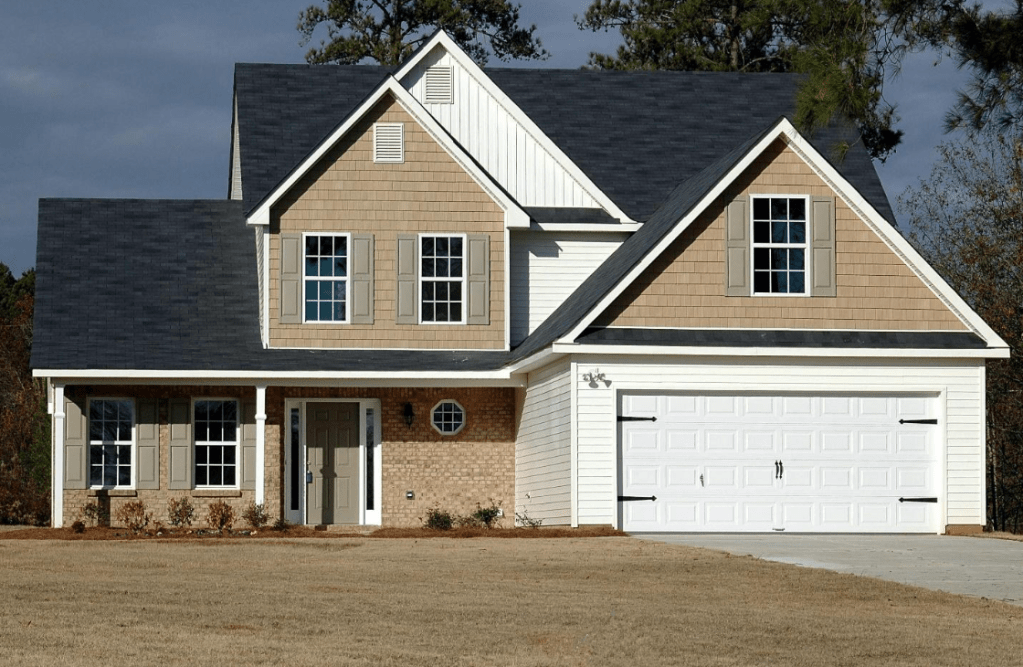
Lansing, Michigan, sees all four seasons in full force, from snowy winters to rainy springs and hot summers. This weather fluctuation takes a toll on roofs and exteriors, making regular maintenance essential. Homeowners often overlook the first signs of damage, which can lead to more expensive repairs down the road. Regular assessments of both the roof and exterior are essential not just for safety but for preserving your home’s value and curb appeal.
This article outlines the key signs to help you determine whether it’s time for repairs or replacements. Recognizing these issues early can save you time, money, and stress.
1. Visible Roof Damage
One of the easiest ways to know if it’s time for a roof inspection is by checking for visible damage. Missing, cracked, or curled shingles are among the most obvious signs. These issues leave your roof vulnerable to water leaks and further deterioration. A few damaged shingles can be repaired, but widespread issues might call for a roof replacement.
Moreover, look for any sagging or uneven areas on your roof. These can indicate underlying structural problems, such as rotting wood or compromised support beams. Catching these early ensures you avoid costly repairs in the future. In case your roof is beyond repair, professionals offering complete roof replacement in Lynchburg Virginia can ensure the job is done properly and safely. Acting promptly can prevent further structural damage and protect your home from the elements.
2. Frequent Leaks and Water Damage Indoors
If you’ve noticed water stains on your ceilings or leaks in your attic, your roof may no longer be watertight. Even small leaks can lead to mold growth, weakened insulation, and damage to your home’s interior. Frequent leaks suggest that the roofing system is compromised and may need more than just patchwork repairs.
A Lansing roofing contractor can help assess the severity of these leaks and recommend the best course of action. Whether it’s a minor repair or a complete roof overhaul, taking action quickly prevents further water intrusion and preserves your home’s structure. Ignoring these signs can lead to larger issues like drywall damage or wood rot.
3. Age of the Roof and Materials
Your roof’s age plays a significant role in determining whether it needs to be replaced or repaired. Most roofs have a lifespan of 20 to 30 years, depending on the materials used. If your roof is approaching or has passed this mark, it’s time to consider an inspection. Even well-maintained roofs will show signs of wear and tear over time.
Granule loss, visible on shingles or collected in gutters, is one of the first signs of aging. Discolored patches and brittle shingles are other indicators. Proactive roof assessments ensure you’re not caught off guard by a sudden failure.
4. Gutter Issues or Blockages
Your gutters play a vital role in protecting both your roof and foundation by directing water away from your home. However, if they frequently become clogged or overflow, it could indicate that your roof is wearing down. Granules from aging shingles often accumulate in gutters, signaling that your roof needs attention.
Blocked gutters not only cause water damage but also put extra weight on the fascia boards, leading to sagging or detachment. If you notice water pooling around your foundation or dripping from the edges of your gutters, it’s time to reassess both your roof and exterior drainage system.
5. Drafts and Rising Energy Bills
A sudden rise in energy bills might be linked to your roof or exterior losing efficiency. Drafts coming from windows, doors, or the attic indicate gaps in insulation. These leaks allow cold air to enter during the winter and warm air to escape, forcing your HVAC system to work harder.
If your roof has poor ventilation or damaged insulation, it can contribute to temperature imbalances throughout the house. Addressing these gaps can make your home more energy-efficient and comfortable. A well-insulated roof and exterior also prevent future energy loss, saving you money on utility bills over time.
6. Fading Paint or Peeling Siding
When your home’s exterior paint starts to fade or peel, it’s more than just a cosmetic issue. Paint serves as a protective layer against moisture, UV rays, and other environmental factors. If the paint or siding is peeling, it may indicate moisture seeping into the material beneath, which could lead to rot or mold growth.
Ignoring this early warning sign can result in costly repairs. Peeling or fading siding also decreases curb appeal and reduces the home’s overall value. Repainting or replacing affected areas promptly ensures your exterior remains both functional and visually appealing.
7. Mold, Mildew, or Algae Growth
If you notice mold, mildew, or algae growing on your roof or siding, it’s a sign that moisture is lingering where it shouldn’t. These growths are not just unsightly; they can also weaken materials over time. Mold, in particular, poses health risks, while algae can damage shingles and reduce their effectiveness.
Regular cleaning may help in the short term, but persistent growth could indicate deeper problems, such as poor drainage or insufficient ventilation. It’s crucial to address these issues promptly to prevent more severe damage to your home’s structure.
8. Warped or Rotting Wood Elements
Wooden elements, such as fascia, soffits, and window frames, are especially vulnerable to moisture damage. Warping, cracking, or rot in these areas signals that water has penetrated the protective layers. Left unchecked, this damage can spread to other parts of the house, causing extensive structural problems.
Inspect these wood components regularly, especially after heavy rain or snow. If you notice any soft spots, it’s time to replace the damaged sections before they cause more serious issues. Proper maintenance of these elements ensures that your home’s exterior remains in good shape for years to come.
9. Unexplained Noise During Windy Days
If you hear creaking or rattling sounds from your roof or exterior during windy conditions, it’s a sign that something is loose. Shingles, flashing, or gutters that aren’t securely fastened can shift in the wind, leaving your home exposed to the elements.
It’s important to address these noises promptly, as loose materials can lead to bigger problems during storms. A professional inspection will help you identify and fix any unsecured parts, preventing further damage to your roof and siding.
In conclusion, staying proactive about your roof and exterior maintenance helps prevent small issues from turning into expensive repairs. A well-maintained roof and exterior not only protect your home but also enhance its energy efficiency and curb appeal. Regular inspections, especially after harsh weather, will help keep your home in excellent shape for years to come.