



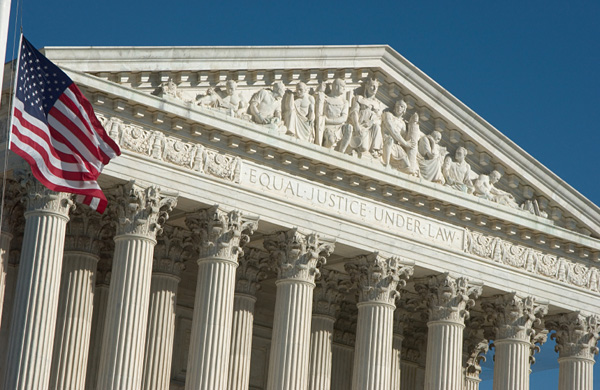
WASHINGTON, D.C. – The Supreme Court dealt a hard blow to the power of federal agencies in regulating business, possibly allowing commercial interests more chances to skirt laws that protect the public.
The Chamber of Commerce filed an amicus brief in this case, “urging the Court to reject the practice of reflexive judicial deference to agency interpretations of statutes under an expansive interpretation of Chevron deference.”
In siding with Chevron – which manufactures and sells a range of high-quality refined products, including gasoline, diesel, marine and aviation fuels, premium base oil, finished lubricants, and fuel oil additives – the Supreme Court overturned its 40-year-old administrative law precedent, “taking a major step toward improving the regulatory environment for businesses,” the Chamber said in a statement.
“The court made an important course correction that will help create a more predictable and stable regulatory environment for businesses.”
Under the longstanding Chevron eference doctrine, judges deferred to federal agencies’ reasonable interpretations of ambiguous statutes. This created unpredictable and unstable regulatory obligations that adversely impacted how businesses operate. Now, courts will exercise full, independent judgment in deciding whether an agency has acted within its statutory authority.
“The Supreme Court’s previous deference rule allowed each new presidential administration to advance their political agendas through flip-flopping regulations and not provide consistent rules of the road for businesses to navigate, plan, and invest in the future,” said Chamber President and CEO Suzanne P. Clark. “The Chamber will continue to urge courts to faithfully interpret statutes that govern federal agencies and to ensure federal agencies act in a reasonable and lawful manner.”
Liberal Justices dissented in the 6-3 decision. Sonia Sotomayor, Ketanji Brown Jackson and Justice Elena Kagan predicted that Friday’s ruling “will cause a massive shock to the legal system.”