



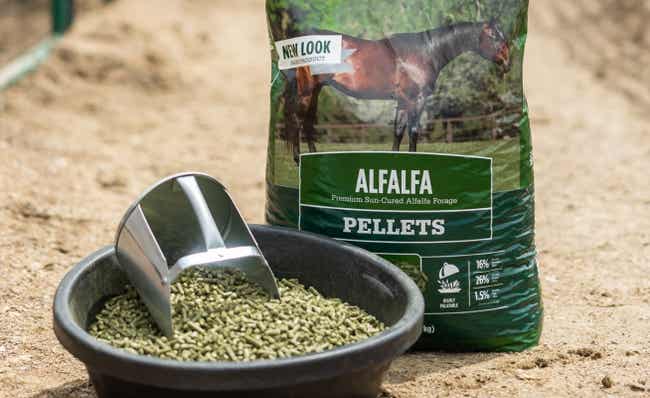
When it comes to feeding livestock, horse owners, and even backyard farmers, few questions are as practical and important as “how much protein is in alfalfa pellets?” This question might sound simple, but the answer carries powerful implications for animal health, performance, and the overall efficiency of your feeding program. Alfalfa pellets have become a staple in the agricultural and equine world because they offer a reliable, nutrient-rich source of feed. Understanding the protein content and its effects on animals helps ensure they get the right balance of nutrition without overfeeding or wasting resources.
What Are Alfalfa Pellets and Why Do They Matter?
Alfalfa pellets are made by compressing dried and ground alfalfa hay into uniform, easy-to-handle pellets. This process preserves the plant’s essential nutrients while offering convenience and consistency that baled hay sometimes lacks. For farmers and horse owners, alfalfa pellets make feeding simpler, reduce waste, and can even minimize dust exposure. The importance of these pellets goes beyond convenience. They provide a concentrated source of nutrients, particularly protein, fiber, and calcium, all of which are critical for animal health and productivity.
So, How Much Protein Is in Alfalfa Pellets?
The protein content in alfalfa pellets typically ranges between 15% and 18%, depending on the cut, harvest timing, and quality of the crop. Younger alfalfa plants harvested early usually contain higher protein levels, while older, more mature plants have slightly lower values. This natural variation means that when asking “how much protein is in alfalfa pellets,” the answer can depend on several factors, including where the alfalfa was grown and how it was processed. For most livestock and equine feeding programs, this level of protein makes alfalfa pellets an excellent supplement or even a primary feed component for animals with moderate to high protein needs.
The Role of Protein in Animal Nutrition
Protein plays a vital role in nearly every aspect of animal health and growth. It is made up of amino acids, the building blocks of muscles, tissues, enzymes, and hormones. Animals need adequate protein for muscle development, cell repair, milk production, and reproduction. For horses, protein supports healthy hooves, hair coats, and muscle tone. In livestock like cattle, goats, and sheep, protein promotes weight gain, enhances milk yield, and strengthens immune response. Understanding how much protein is in alfalfa pellets helps producers fine-tune feeding strategies to meet these needs efficiently.
Why Alfalfa Protein Stands Out
Not all protein sources are created equal. Alfalfa protein is notable for its digestibility and amino acid profile. It contains essential amino acids like lysine and methionine, which are critical for growth and repair but cannot be synthesized by the animal’s body. Because of its natural balance of nutrients, alfalfa provides not just protein, but also fiber, vitamins, and minerals that support digestion and metabolism. This makes it a superior choice compared to some lower-quality protein feeds or grain-based alternatives that can lead to digestive upset or nutrient imbalances.
How Much Protein Is Too Much?
While protein is essential, more isn’t always better. Overfeeding protein can create unnecessary waste and strain the animal’s system. For instance, horses excrete excess protein as urea, which can make stalls smell stronger and require more water for flushing through the kidneys. In cattle and goats, excess protein that is not used for growth or milk production can also result in inefficiencies. Knowing exactly how much protein is in alfalfa pellets allows you to balance rations accurately. When paired with other feeds like grass hay, oats, or corn, alfalfa pellets can help achieve the perfect nutritional ratio for your animals’ specific stage of life and activity level.
Alfalfa Pellets vs. Other Protein Sources
Compared to grass hay, which usually has around 8% to 12% protein, alfalfa pellets pack nearly double the amount. Soybean meal is another common protein source, but it can be more expensive and less versatile. Alfalfa pellets offer a natural, cost-effective option that combines high-quality protein with essential roughage. They also provide a consistent nutrient profile throughout the year, unlike variable pasture conditions. This stability makes alfalfa pellets a dependable choice for year-round feeding, especially in regions with harsh winters or drought conditions.
How Much Protein Is in Alfalfa Pellets for Horses?
For horses, the protein level in alfalfa pellets is particularly beneficial. Performance horses, growing foals, lactating mares, and underweight horses often require higher protein levels than can be found in grass hay alone. With 15% to 18% protein, alfalfa pellets help meet these elevated demands. However, mature horses at maintenance or those prone to metabolic conditions might do better with a mix of alfalfa and grass hay to avoid excessive calorie intake. Understanding how much protein is in alfalfa pellets helps horse owners design a feeding program that supports muscle maintenance, energy, and recovery without overdoing it.
Benefits of Alfalfa Pellets Beyond Protein
Protein might be the headline nutrient in alfalfa pellets, but it’s not the only one that makes them valuable. Alfalfa is rich in calcium, which supports bone strength, and contains vitamin A and vitamin E, essential for immune function and muscle health. The high fiber content promotes gut motility and helps prevent digestive disorders like colic or bloat. Because the pellets are uniform, they reduce selective eating and ensure every bite delivers the same nutrient balance. They are also ideal for animals with dental issues or limited access to quality hay, as they are easier to chew and digest.
Using Alfalfa Pellets in Different Feeding Programs
Alfalfa pellets can serve multiple purposes in feeding programs. They can be fed as a complete feed, a supplement, or a carrier for other ingredients. For example, horse owners often mix them with grains or add them to a mash for older horses. Cattle producers use them to boost the protein content in mixed rations. Goat and sheep farmers appreciate their portability and reduced waste compared to loose hay. The key to using them effectively is knowing how much protein is in alfalfa pellets and adjusting portions according to the rest of the diet.
How Processing Affects Protein Quality
The way alfalfa is harvested, dried, and pelleted can influence its protein quality. Rapid drying preserves more nutrients, while overheating can denature some proteins, reducing their digestibility. Reputable feed manufacturers test batches to ensure consistent protein levels and nutrient retention. When purchasing alfalfa pellets, checking the guaranteed analysis on the feed tag provides a reliable estimate of how much protein is in alfalfa pellets from that brand. This transparency allows farmers to compare products and choose the best option for their animals’ needs.
The Environmental and Economic Impact
Alfalfa is not only beneficial for livestock; it’s also a sustainable crop. Its deep root system improves soil structure and helps prevent erosion. As a legume, alfalfa naturally fixes nitrogen in the soil, reducing the need for synthetic fertilizers. Using alfalfa pellets as part of a feeding strategy can therefore contribute to more sustainable farming practices. Economically, alfalfa pellets often reduce feed waste and spoilage, providing better value over time compared to baled hay that can be lost to mold, dust, or weather.
The Bottom Line: Protein as the Cornerstone of Nutrition
When you understand how much protein is in alfalfa pellets, you gain a powerful tool for optimizing animal nutrition. The average 15% to 18% protein range provides enough flexibility to support various species and production goals. Whether you’re feeding horses for performance, cows for milk production, or goats for growth, alfalfa pellets deliver a nutrient-dense, efficient, and convenient option. The simplicity of these small green pellets hides their powerful impact, turning a basic question—how much protein is in alfalfa pellets—into a key factor that shapes animal health, farm efficiency, and profitability.