



Electric vehicles (EVs) are transforming how you experience road trips. Gone are the days of noisy engines, constant fuel stops, and gas station coffee. Instead, you’re now navigating charging stations, managing battery range, and tapping into high-tech apps that make your trip smoother. But to make the most of your EV on the open road, preparation is everything. It’s not just about plugging in and hitting the accelerator – it’s about knowing where to charge, how to plan routes, what tech tools to use, and how to stay comfortable and safe.
Understand Your Charging Options
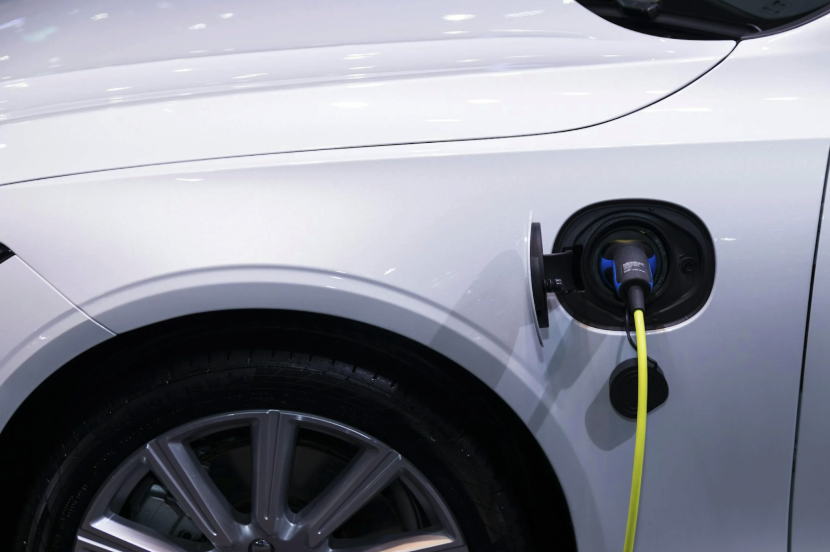
EV chargers fall into three categories: Level 1 (120V), Level 2 (240V), and DC fast chargers. Level 1 is the slowest and usually only good for overnight charging at home. Level 2 is common in public places and gives a decent boost in a few hours. DC fast chargers are your best bet on the road – they can get your battery from 20% to 80% in around 30 minutes. If you’re traveling through urban areas or along major highways, take advantage of commercial EV charging stations, which often offer faster speeds and better amenities compared to smaller or residential setups. Be aware of your EV’s compatibility and maximum charging speed.
Plan Your Charging Stops Ahead of Time
One of the most important EV travel essentials is mapping out your charging stops before you go. Use apps like PlugShare, ChargePoint, or A Better Routeplanner (ABRP) to identify charging stations along your route. These tools help you find fast chargers, check availability in real-time, and even calculate how long you’ll need to charge. Make sure to factor in terrain, weather, and elevation changes – hilly routes and cold temperatures can drain your battery faster than expected. Planning charging breaks near restaurants or scenic spots can also make the wait more enjoyable.
Keep Navigation Tools Up to Date
Use its built-in navigation or apps that are designed for EV travel to stay on course and avoid surprises. Google Maps and Apple Maps are increasingly EV-friendly, showing charging stations and real-time traffic, but dedicated apps like ABRP and EVNavigation go further. They estimate charge time based on your car model, current battery level, and driving behavior. Make sure your maps are updated before you leave. Offline maps are a lifesaver if you’re heading into remote areas with a spotty signal. Sync your route with your EV’s infotainment system if possible, so you get real-time battery and range updates as you go.
Leverage Tech and Community for Peace of Mind
Join EV travel communities on forums like Reddit’s r/electricvehicles, Facebook groups, or brand-specific platforms like Tesla Owners Club. Users often share real-time tips about station conditions, hidden chargers, and the best charging spots near food and attractions. Use apps like PlugShare to check station status and leave your feedback to help others. Many EVs also offer remote access via apps that let you monitor charging progress, pre-condition your car, and lock/unlock the doors – all from your phone. Use this tech to your advantage. Set charge reminders, use route planners that account for battery efficiency, and check traffic or weather delays that could affect your trip.
Master Your EV’s Range and Battery Behavior
Driving speed, climate settings, road incline, and even how much cargo you’re carrying all impact your range. Use eco-driving habits to stretch your battery life – coast when possible, use regenerative braking, and avoid rapid acceleration. Keep your battery between 20% and 80% for optimal health, even during frequent fast charging. Learn your car’s range in real-world conditions, not just the numbers advertised. That way, you’ll be able to judge whether you need to slow down, stop sooner, or skip a detour. Get to know how your car gives battery updates and alerts – these can help you stay one step ahead during long trips.
Pack Smart for Convenience and Comfort
Pack your charging cables, adapters, and extension cords, even if you plan to charge at hotels or non-standard outlets. A portable EVSE (Electric Vehicle Supply Equipment) can be a game-changer if you find yourself in an area with limited infrastructure. Bring a power bank and USB chargers for your devices, as not all chargers or rest stops will have outlets. You’ll also want snacks, water, entertainment, and travel pillows to make charging breaks more enjoyable. Don’t overlook the basics – flashlight, tire repair kit, jumper cables (for 12V battery), and a blanket in case you get stuck.
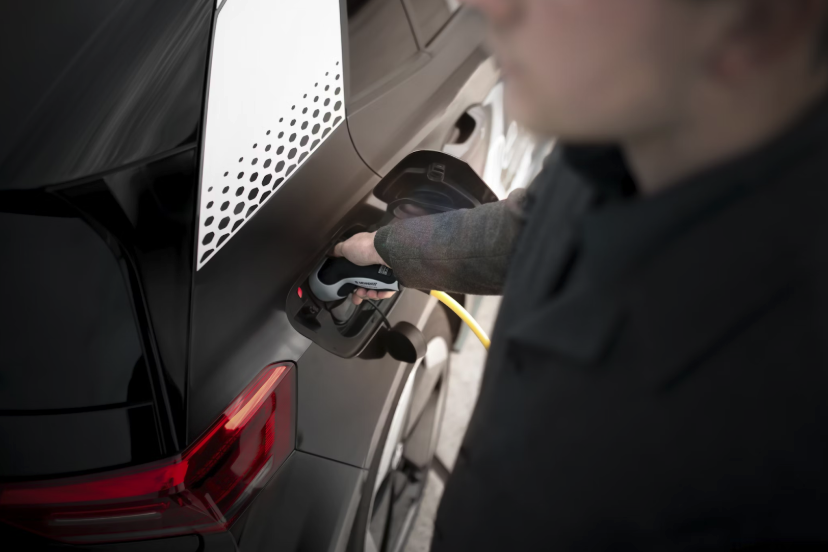
Road-tripping in an EV is a whole new kind of adventure. It’s quieter, cleaner, and often more scenic when you’re stopping in towns and parks to charge instead of just gas stations. But the key to a successful EV trip lies in preparation. Know your car, plan your route, pack smart, and lean into the technology that makes EV travel easier than ever. Packing a few key essentials and staying connected to the EV community can make all the difference. With everything in place, you’re ready to hit the road and experience the future of travel – one charge at a time.