



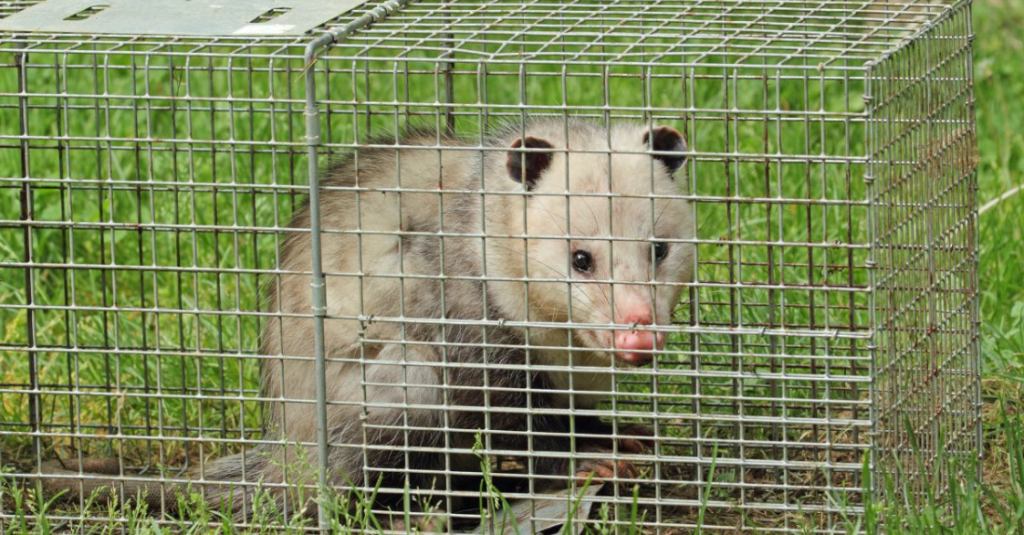
Opossums can be a common sight in urban areas, and knowing how to manage their presence effectively can prevent potential problems. Proper opossum removal tips include securing trash, eliminating food sources, and using humane traps if necessary. Taking these steps protects your property and encourages a peaceful coexistence with wildlife.
In cities like Frisco, urban opossum control requires specific strategies tailored to local conditions. Being proactive by installing fencing, closing off access points to your home, and keeping your yard clean can significantly deter these nocturnal visitors. Understanding their habits and lifestyle is crucial in formulating a successful control plan.
Implementing effective removal techniques can help you navigate the challenges urban opossums pose. Approaching the situation thoughtfully will lead to more successful outcomes and a more harmonious living environment.
Understanding Opossum Behavior
Opossums exhibit unique behaviors that reflect their adaptability to different environments. This section highlights their habitat preferences, dietary choices, and interactions with urban settings.
Habitat and Diet
Opossums are highly adaptable creatures that thrive in various environments, particularly in urban areas. They prefer habitats that offer shelter and food sources, such as forests, fields, and wetlands. You may find them in residential neighborhoods due to easy access to food.
Opossums are opportunistic feeders. Their diet includes fruits, insects, small rodents, and even garbage. They are crucial in pest control, consuming ticks and other pests that can harm humans and pets. Understanding their diet helps you recognize what may attract them to your yard.
Common Encounters in Urban Areas
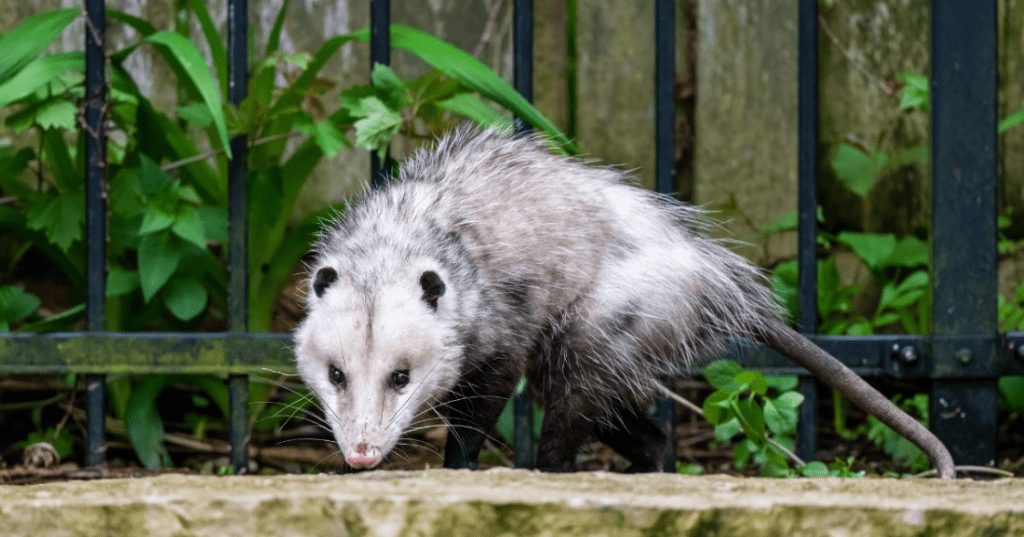
In urban settings, opossums are often seen foraging at night. They are nocturnal animals, which means you are more likely to encounter them after dark. They may rummage through trash cans or feed on pet food left outside.
While they can be perceived as pests, opossums are generally non-aggressive. If threatened, they tend to play dead as a defense mechanism. Awareness of their behaviors can help you effectively manage encounters. You can take steps to secure garbage and remove food sources to discourage their presence.
Legal and Safe Removal Practices
When dealing with opossum removal, it’s essential to understand local wildlife laws and ensure humane handling to promote safety for you and the animal.
Understanding Local Wildlife Laws
Before attempting to remove an opossum, check your local regulations. Many areas have specific laws regarding wildlife removal because opossums are protected in some regions.
Confirm if a license is required for trapping. Fines or penalties may apply for illegal removal practices.
Regulations are often available on your local wildlife agency’s website. Familiarize yourself with the methods allowed for removal to ensure compliance.
Relocation may be prohibited in some areas, as it can threaten the opossum’s health and survival.
Safety Measures for Humane Handling
When handling an opossum, prioritize safety for both you and the animal. Always wear gloves to prevent bites or scratches and minimize disease transmission.
Humane traps can be used to capture the opossum without causing harm. Place traps in sheltered areas and bait like fruits or nuts can be used to attract the animal.
Once captured, avoid direct handling. If you must transport the opossum, keep it in a quiet, dark container.
Monitor for signs of stress. If the opossum shows extreme agitation, consider contacting a local wildlife rehabilitator for humane care and relocation advice.
Adopting these practices ensures an efficient and compassionate approach to opossum removal.
Preventive Measures and Home Proofing
Taking preventive measures and properly proofing your home can significantly reduce the chances of encountering opossums. Securing access points and using effective deterrents creates a less inviting environment for these animals.
Securing Access Points to Homes
Start by conducting a thorough inspection of your property. Look for gaps and holes in walls, foundations, and roofs. Pay special attention to areas around pipes, vents, and utility lines, as these are common entry points for opossums.
To seal these access points, use materials such as:
- Steel mesh: This is effective for larger openings.
- Caulking: Use high-quality caulk for smaller cracks.
- Hardware cloth: Install it over vents and openings.
Ensure that doors and windows close tightly, and install door sweeps to prevent access underneath. A well-secured home is crucial in urban opossum control in Frisco.
Using Deterrents Effectively
Deterrents can help keep opossums away from your property. Motion-activated lights are a practical option, as sudden brightness can scare them off. Additionally, consider using noise deterrents like ultrasonic devices designed to disturb wildlife.
You can also apply natural repellents such as:
- Ammonia: Soak rags in ammonia and place them around problem areas.
- Cayenne pepper: Sprinkle it in gardens or entry spots.
Maintaining a clean yard is essential. Regularly remove pet food, fallen fruit, and trash that might attract opossums. By combining these strategies, you create a less hospitable environment for them.
Removal Techniques and Tools

Effective opossum removal strategies are essential for maintaining a safe environment. Knowing the proper techniques and tools can assist you in handling this situation efficiently.
Trapping and Relocation
Trapping is one of the most humane and effective methods for removing opossums. Use live traps specifically designed for small animals.
Steps for trapping:
- Select the Right Trap: Choose a trap at least 32 inches long to accommodate an opossum.
- Bait the Trap: Use foods like fruits, vegetables, or commercial bait to attract the opossum.
- Place the Trap Strategically: Set the trap in areas where you’ve seen opossum activity, such as near gardens or garbage cans.
After capturing the animal, relocate it at least 10 miles away. Check local regulations regarding relocation locations.
Professional Versus DIY Removal
Deciding between professional and DIY removal depends on your comfort level and complexity.
When to choose DIY:
- If you’re dealing with a single opossum and feel confident in handling traps.
- If the opossum has caused minimal damage or disruption.
When to opt for professionals:
- If you notice multiple opossums or if they have made a nest.
- If you’re uncertain about handling wild animals safely.
Professional services provide expertise, ensuring safe opossum removal in Frisco and compliance with local laws. They also handle the cleanup and prevention measures post-removal.
Aftercare and Ongoing Management
After removing opossums from your property, focus on subsequent care and management practices. Start by sealing off entry points to prevent future visits. Common areas to check include:
- Gaps in fences
- Holes in walls or foundations
- Open vents
Regularly inspect your surroundings for signs of wildlife activity, such as droppings, tracks, or chewed materials. Promptly address any issues as they arise to reduce the risk of re-infestation.
Maintain your yard by keeping it tidy. Remove food sources and distractions, such as:
- Pet food left outside
- Garbage cans without secure lids
- Compost piles that are easy to access
Implementing a wildlife-friendly habitat can help deter opossums. Use native plants that don’t attract pests, and consider setting up motion-activated lights to discourage nocturnal visits.
Sharing your space with wildlife can be challenging, especially in urban areas. Therefore, contacting a professional may be beneficial. Critter Stop specializes in humane wildlife removal and can provide free inspection. With a strong reputation and excellent customer reviews, you can trust them for quality service.
Don’t hesitate to contact Critter Stop at (214) 234-2616 to tackle any wildlife concerns. They are efficient at pest removal and ensuring your home remains safe and secure.