



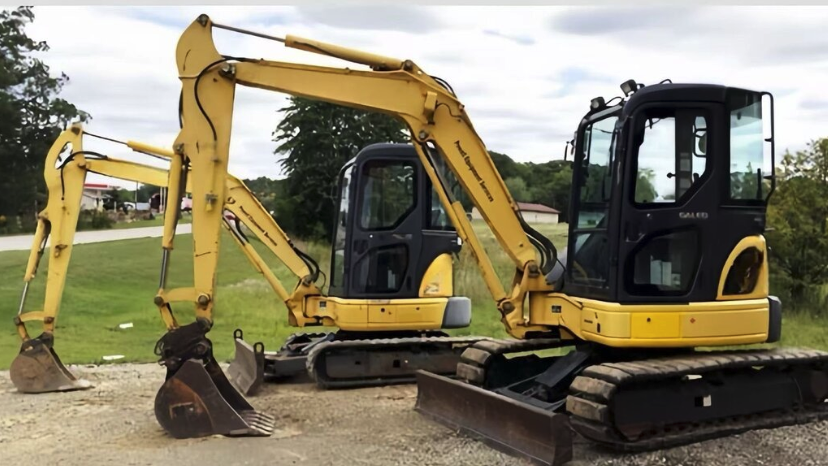
Komatsu mini excavators are compact track-driven digging machines. The weight is generally 1–8 tons. They are designed for small spaces and are used in architecture, landscaping, agriculture and municipal engineering. Compared with large excavators, this type of machine is more flexible and has less pressure on the ground. Many models also use a zero-tail slewing design, which can operate safely near walls or ditches. Next, let’s look at how to choose the right Komatsu mini excavator based on your project needs.
Komatsu Mini Excavator Types
Komatsu excavators are mainly classified by operating weight. That’s because weight directly ties to how powerful they are and what jobs they’re good for. The long-term performance also depends on the availability of quality Komatsu parts to keep it running smoothly. Based on weight, we can split them into three main types.
Micro Excavators (Under 3 Tons)
This type of model includes PC09, PC15, etc. Their biggest advantage is their small size. The machine is lightweight and easier to transport. In many cases, a large trailer is not required. The narrow fuselage allows easy passage through the gate. Sometimes it is even possible to go into the basement and carry out interior demolition work.
Of course, small size also has disadvantages. Excavation forces and excavation range are relatively limited. This type of excavator is ideal for small contractors. Also suitable for landscaping companies or individual users doing light engineering.
Standard Mini Excavators (3–6 Tons)
Models like the PC20MR, PC30, and PC35MR are in this range. These machines hit the sweet spot for a lot of pros. They balance power and maneuverability perfectly.
They have enough breakout force for most home and commercial jobs—from digging utility trenches to prepping foundations. They also work with way more attachments. You’ll need a proper trailer to move them, and they burn more fuel than micro models. But their versatility makes them total workhorses you can count on.
Larger Compact Excavators (6–8 Tons)
This type of model includes PC45MR, PC55MR, etc., which have stronger power. The operating capacity is already close to that of a medium-sized excavator. They are stable and dig deeper. It can also load materials onto taller trucks. Lifting ability is also better.
This type of equipment is often used in larger projects. For example, drainage construction, site leveling or pipeline installation. Due to their large size, road permits may be required for transportation. There is also a need for more space.
Key Features and Specifications to Consider
Focus on these, and you’ll be able to compare models easily and pick the right machine for your actual jobs.
Operating Weight
This directly affects stability and ground pressure. Heavier Komatsu mini excavators are more stable when lifting heavy objects and working on hard surfaces. Lighter machines put less pressure on the ground. They are better suited for soft soils or complete landscape areas. When working, it is not easy to damage the ground.
Dig Depth and Dump Height
Dig depth tells you how far down you can dig—perfect for jobs like laying footings, sewer lines, or irrigation systems. Dump height is the maximum height the machine can lift material to unload it. You need to make sure this height is enough to load the trucks or containers you use on your job sites.
Engine Power (HP)
More horsepower means faster cycle times—that’s the time it takes to dig, swing around, and dump a load. It also means better performance when using hydraulic attachments. A stronger engine can plow through thick soil or rocks more easily, so you get more work done faster.
Hydraulic Flow
The hydraulic system powers the boom and attachments. A standard-flow system can perform basic bucket operations. If high-load attachments such as hydraulic breakers, augers, or compactors are to be used, a high-flow hydraulic system is required. High-flow systems can make the machine more versatile.
Machine Width & Tail Swing
These measurements decide how easy the machine is to get into tight spots. The excavator’s width determines if it can squeeze through narrow gates or work between buildings. Tail swing is how much the machine’s housing sticks out past the tracks when it spins. A zero-tail swing model is perfect for working right next to walls or in a single lane—no risk of hitting anything.
Track Type and Cab Options
You can choose between rubber tracks and steel tracks. Rubber tracks are standard—they protect finished surfaces like asphalt or concrete. Steel tracks are way tougher, ideal for rocky areas or demolition work.
Also, think about the operator’s space. An open canopy works fine when the weather’s nice. But a closed cab with heat and AC makes the operator way more comfortable and safe—so they can work productively no matter the weather.
Choose the Right Komatsu Mini Excavator for Your Project
Follow these steps to pick the right Komatsu excavator for your project:
- Figure out your main jobs: First, what will you use it for most? Digging trenches for pipes, hauling gravel or loose stuff, or running special attachments? Your main jobs will tell you how deep you need to dig and how much hydraulic flow you need.
- Check your job site size: Think about where you’ll work. For tight backyards or indoor spaces, a micro excavator (under 3 tons) is perfect. For new construction sites or open commercial areas, a 3–6 ton multi-use excavator is way more efficient.
- Think about transportation: Figure out how you’ll haul the machine to job sites. Heavier machines need a heavy-duty trailer and a truck strong enough to pull it. Check your local towing rules to make sure you’re good to go.
- Pick a cab and controls that fit the operator: Test-drive the machine if you can. The operator should be familiar with the control pattern (ISO or SAE standards) and have a clear line of sight. A comfy cab boosts work efficiency and keeps the operator safe, too.
- Check how easy it is to maintain: Go for a machine designed for easy routine checks and service. Focus on how accessible the oil filter, lubrication points, and cooling system are. If these parts are hard to reach, you’re more likely to skip regular maintenance.
Best-Selling Komatsu Mini Excavators
While Komatsu offers a wide range, a few models consistently stand out for their popularity. The PC30 and PC35MR are frequently praised by contractors for hitting the perfect balance of power, size, and transportability. Here is a quick comparison of some of Komatsu’s most popular models to see how their key specs stack up:
| Model | Operating Weight | Digging Depth | Engine Power | Hydraulic Flow | Tail Swing |
| PC09 | 2,200 lbs | 3.1 ft | 8.9 HP | 10.6 gpm | Zero |
| PC20MR | 4,400 lbs | 7.2 ft | 16.1 HP | 18.3 gpm | Zero |
| PC30 | 6,600 lbs | 9.2 ft | 24.3 HP | 21.8 gpm | Zero |
| PC55MR | 12,300 lbs | 12.8 ft | 34.9 HP | 26.4 gpm | Zero |
As you can see from the table, every model in this popular lineup features a zero-tail swing design, highlighting Komatsu’s focus on building machines for real-world, confined job sites.
Wrapping Up
When choosing the right Komatsu mini excavator, select the specifications based on your usual operating needs. Focus on machine weight, excavation depth, hydraulic flow, and transportation convenience. In performance and flexibility, models like the PC30 and PC35MR are best suited to most contractors.