



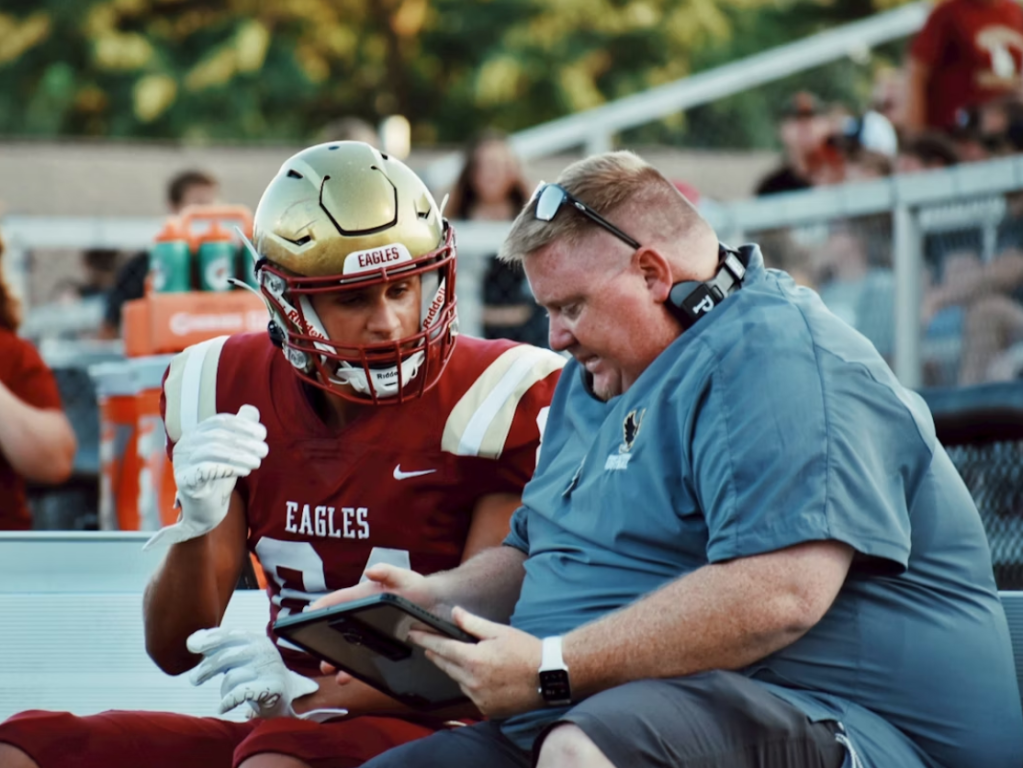
Coaches today are navigating a fast-changing landscape where traditional strategies are no longer enough. Technology has become a cornerstone of athletic development, bridging the gap between raw talent and refined performance. Whether you’re managing a high school soccer team or a professional basketball squad, embracing the right tech tools can elevate every aspect of your coaching—from planning and communication to performance analysis and injury prevention.
Real-Time Performance Analytics
Live data feeds are now a coach’s best friend. With performance analytics platforms, every sprint, jump, and pass is tracked in real time. This means coaches can monitor player output and adjust drills or lineups immediately based on current physical metrics.
For example, during a training session, if a player’s acceleration rate begins to drop, coaches can intervene before fatigue turns into injury. These analytics also reveal hidden trends—perhaps a particular drill consistently causes player burnout, or recovery times vary drastically between individuals. Coaches are no longer left guessing. They’re equipped to make swift, informed decisions that improve results without compromising player health.
Video Breakdown Tools for Tactical Mastery
Watching game film has been part of coaching for decades, but today’s video analysis software makes traditional tape sessions look outdated. Modern tools allow coaches to break down film frame by frame, tag specific sequences, and overlay strategy notes—all within a few clicks.
This level of precision helps coaches personalize tactical lessons. A defender might be repeatedly caught out of position due to a subtle habit, such as turning their head too late on a switch. With slow-motion clips and side-by-side comparisons, that habit becomes clear. And once players see the evidence, they’re far more likely to adapt quickly.
Some platforms even use AI to recognize formations or play types automatically, saving hours of manual review. It’s not just about spotting mistakes—these tools also showcase strengths, helping athletes build confidence by seeing their impact on team success. Video tools transform abstract theory into concrete, visual knowledge.
Wearable Tech for Injury Prevention
One of the biggest threats to a team’s season is injury. And yet, many injuries are preventable with the right data. Wearable tech—GPS sensors, heart rate monitors, accelerometers—collects continuous feedback on how each athlete’s body is coping with workloads.
Coaches can identify when a player is being pushed too hard based on trends in movement efficiency, muscle strain, or even dehydration markers. If one athlete’s recovery window is longer than others, the system alerts staff to adapt their routine. Over time, this kind of customization leads to fewer breakdowns and stronger, more consistent performances.
These devices also provide peace of mind to athletes. When they know coaches are actively monitoring and adjusting their routines to keep them safe, it builds trust and boosts morale. In professional settings, this tech has extended careers.
Seamless Communication Platforms
Organizing a team used to require endless phone calls, group chats, and sticky notes. Now, centralized communication platforms are making it easier to run a program like a well-oiled machine. These apps allow coaches to share schedules, send last-minute updates, assign tasks, and deliver feedback all in one place.
The second sentence of this paragraph is where many discover real benefits. By choosing to Simplify Your Coaching with Innovative Team Management Software, you can reduce administrative noise and create more time for what matters—coaching. These platforms often include automated reminders, shared calendars, and direct player messaging, making it impossible to miss a session or skip a responsibility.
Even better, most systems allow file uploads and video sharing, enabling off-field learning. Whether it’s reviewing a match or distributing nutrition guides, everything happens within a single hub.
AI-Powered Scouting and Recruitment
Scouting has traditionally relied on long drives, handwritten notes, and subjective opinions. AI changes the equation by digesting massive data sets across different leagues, age groups, and geographies. A coach can now evaluate hundreds of players with similar profiles in minutes.
The value isn’t limited to pro or college programs. High school teams can use AI tools to better understand the competition or assess which players are ready to move up. The systems process physical data, game stats, video footage, and even injury history, offering a 360-degree view of talent.
AI also promotes fairness. By removing human bias from evaluations, deserving players are more likely to stand out based on merit. For coaches, this means fewer surprises and more confidence when making roster decisions. The recruiting process becomes less about potential and more about proven metrics.
Virtual Reality for Cognitive and Tactical Development
Practicing under pressure is difficult to simulate—unless you’re using virtual reality. VR platforms give athletes a chance to experience match conditions without the physical toll of repeated scrimmaging. They can rehearse game-winning free throws or defensive shifts while standing in a classroom or locker room.
This is particularly valuable for mental conditioning. Players who train through VR improve their anticipation and decision-making speed. They can “walk through” complex strategies or even review their mistakes from a first-person perspective. It’s not only a supplement to practice—it’s a tool that strengthens neural pathways linked to performance.

From youth leagues to elite sports, coaching is undergoing a profound shift. Technology now enables coaches to be more responsive, more insightful, and more connected to their athletes than ever before. Embracing these tools means better planning, smarter decisions, and stronger teams—both on and off the field.