



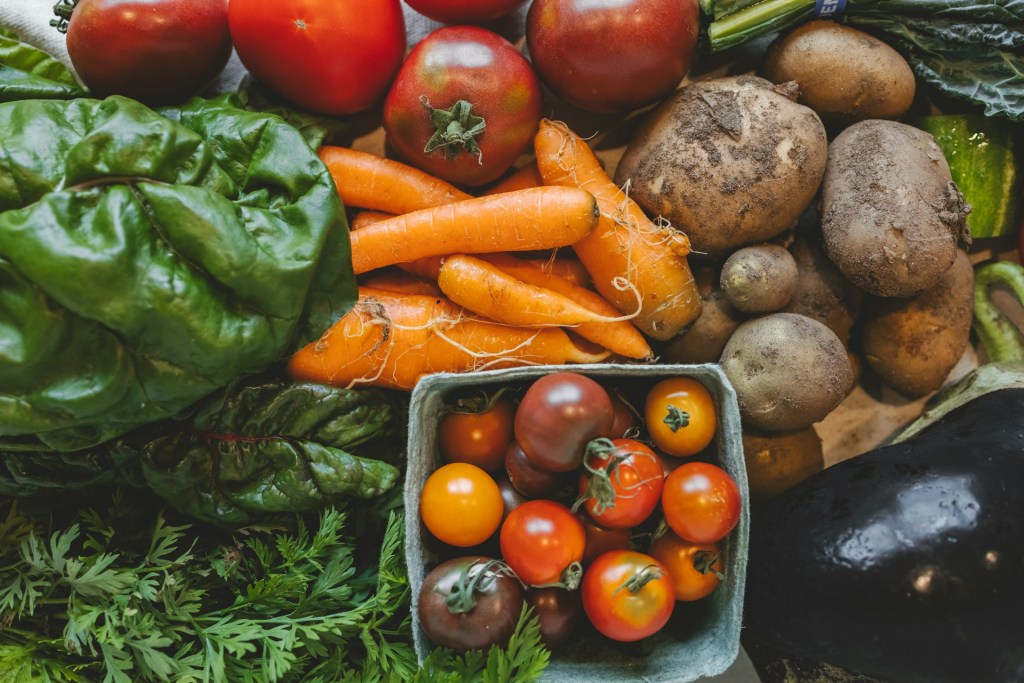
 Spring brings an abundance of fresh, flavorful produce that can enhance your meals with natural sweetness and color. Eating fruits and vegetables in season ensures a better taste and provides peak nutritional value. Seasonal ingredients are also often sourced locally, making them even fresher and more sustainable.
Incorporating spring produce into healthy prepared meals allows for convenient, nutrient-rich options that can support your overall well-being. Whether adding strawberries to breakfast, asparagus to dinner, or fresh greens to a salad, spring’s harvest offers variety and health benefits.
Why Should You Eat Seasonal Produce?
Choosing seasonal produce offers several benefits beyond just taste. Fruits and vegetables harvested at their peak retain more vitamins, minerals, and antioxidants, maximizing nutritional value. Since they’re often grown locally, they require less transportation and refrigeration, leading to a smaller carbon footprint and fresher flavors.
What’s more, seasonal produce is usually more affordable due to higher availability. Supporting local farmers by purchasing in-season ingredients also strengthens local food systems. Spring’s fresh offerings — from leafy greens to juicy berries — provide an easy way to enjoy nutrient-dense foods while promoting sustainability and cost-effectiveness in everyday meals.
What Fruits Are Fresh in the Spring?
Spring welcomes a variety of fresh, nutrient-rich fruits that can improve your meals with bright flavors and sweetness.
Strawberries are among the most popular, packed with vitamin C, antioxidants, and fiber. They make a great addition to smoothies, salads, or desserts. Cherries, another seasonal favorite, contain anti-inflammatory properties and support heart health. No matter if you eat them fresh or baked into dishes, they offer a naturally sweet and tart balance.
Apricots are another springtime gem, providing beta-carotene and fiber, which support digestion and eye health. Their slightly tangy taste works well in both sweet and savory dishes. Pineapple, although available year-round, also reaches peak sweetness in the spring. This tropical fruit contains bromelain, an enzyme that aids digestion and reduces inflammation.
For a tropical twist, mangoes are at their best in the spring. Rich in vitamin C and antioxidants, they help support immune function while adding a juicy burst of flavor to salads, salsas, and breakfast bowls.
When selecting fresh spring fruits, look for bright colors, firm textures, and fragrant aromas. Store delicate fruit like strawberries and cherries in the refrigerator, while mangoes and apricots can ripen at room temperature. Incorporating this seasonal fruit into your daily meals can enhance both taste and nutrition.
What Vegetables Are Fresh in the Spring?
Spring vegetables bring a mix of crisp textures, bold flavors, and essential nutrients. Asparagus is one of the season’s highlights, offering fiber, folate, and antioxidants. It pairs well with roasted dishes, omelets, and salads, bringing with it a slightly earthy flavor.
Peas, including snap peas and sugar peas, are another staple. High in plant-based protein and vitamin K, they can improve stir-fries, grain bowls, and pasta dishes with natural sweetness and crunch.
Radishes add a peppery bite to dishes while providing vitamin C and fiber. They’re best enjoyed raw in salads or pickled for a tangy side. Artichokes — though slightly more labor-intensive to prepare — are rich in antioxidants and fiber. Steaming or roasting them brings out their nutty, delicate taste.
Spinach is a nutrient powerhouse packed with iron, folate, and vitamin C. It’s highly versatile, working well in fresh salads, sautéed dishes, or blended into smoothies. Another leafy green, arugula, offers a slightly spicy kick and is perfect for sandwiches and grain bowls.
To maintain freshness, store leafy greens in a crisper drawer and keep asparagus upright in water. By incorporating these vibrant vegetables into your meals, it’s easy to enjoy their seasonal flavors and essential nutrients.
How To Use Spring Produce in Everyday Meals
Spring produce can add freshness and nutrition to a variety of dishes. Start the day with a smoothie or yogurt topped with strawberries, mangoes, or apricots for natural sweetness and antioxidants. For lunch, toss arugula or spinach into salads, sandwiches, or grain bowls for a boost of vitamins and fiber.
Dinner options are just as versatile. Roasted asparagus pairs well with fish or chicken, while peas and artichokes make excellent additions to pasta or risotto. Radishes can add a crunch to tacos, and pineapple works beautifully in stir-fries or grilled alongside meats.
Snacks and desserts can also benefit from spring’s bounty. Cherries or apricots make great standalone snacks, while mango salsa is a flavorful dip. For a refreshing treat, blend seasonal fruits into homemade sorbets. Incorporating spring produce into your diet makes it easy to enjoy peak flavor and nutrition while embracing the season’s best ingredients.
Savor the Best of Spring
Spring’s fresh fruits and vegetables offer delicious flavors, essential nutrients, and endless meal possibilities. Eating seasonally ensures better taste, sustainability, and affordability. By adding spring produce to your daily meals, you can relish a natural variety of flavors while supporting a balanced and nutritious diet.