



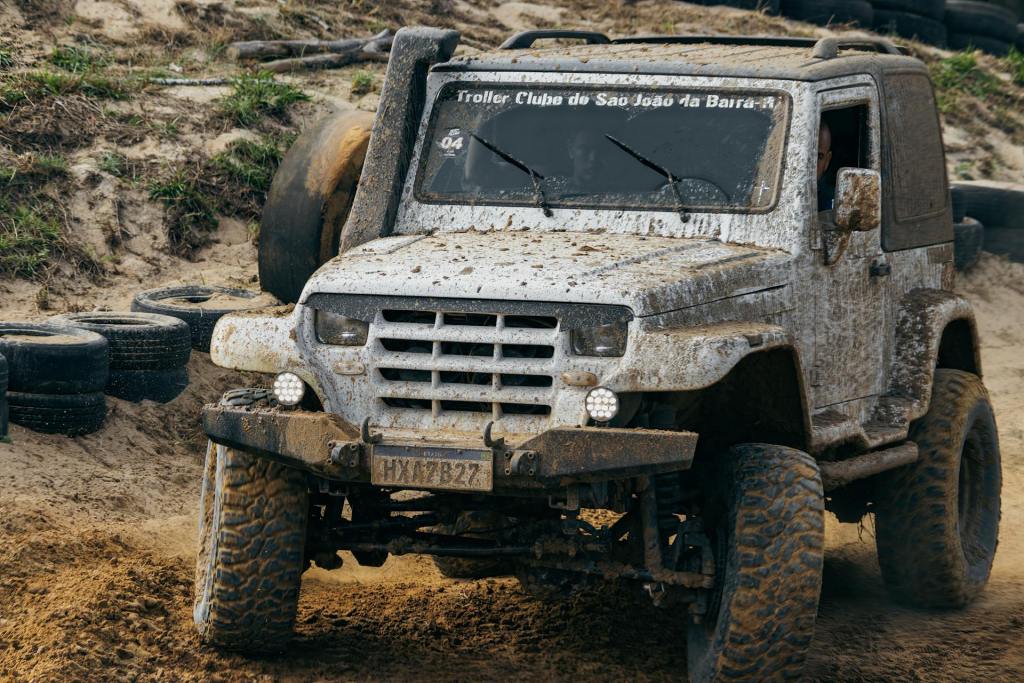
Muddy terrain doesn’t just test your truck—it tests your toolkit.
Anyone who has ventured off the beaten path knows that off-roading can be unpredictable, especially when you’re faced with sticky mud. Whether you’re cruising down a farm road or tackling a rugged trail, the mud has a way of slowing you down or, worse, leaving your truck stuck and helpless. But don’t worry—getting stuck isn’t a matter of if, but when. The key is being ready for it.
When you’re out in the mud, being prepared with the right recovery tools can make all the difference. The right gear doesn’t just save time; it saves you from a long, frustrating ordeal. From classic winches to game-changing tools like TruckClaws, having the right off-road recovery gear can turn a bad day into a simple recovery mission.
In this guide, we’ll walk you through 5 essential recovery tools that every truck owner should carry when driving in muddy terrains. With these tools in hand, you’ll be ready for anything the mud throws at you.
Heavy-Duty Winch System (And How to Use It Safely)
A winch is an essential recovery tool for any off-roading enthusiast. It’s designed to pull a stuck vehicle out of tricky situations, like deep mud or thick snow. Whether you’re facing a steep incline or a muddy patch, a winch gives you the power to pull yourself—or your buddies—out of trouble.
Choosing the Right Winch for Your Truck
When selecting a winch, the most important factor to consider is your truck’s weight. Winches come in different sizes and power levels, which are typically rated by their capacity—measured in pounds or kilograms. A 12V winch is the most common type and works well for smaller trucks or SUVs, while a 24V winch is ideal for larger trucks with heavier loads. The higher voltage gives you more pulling power, which is especially useful for larger off-road vehicles.
For example, if you have a lighter vehicle like a Jeep Wrangler, a 12V winch with a capacity of 8,000-10,000 lbs might be enough. But if you’re using a bigger truck like a Ford Raptor, you’ll likely need a 24V winch, with a capacity of 12,000 lbs or more.
Essential Winch Accessories
A winch alone isn’t enough to get you out of all situations. You’ll need a few recovery accessories to make your winching safer and more effective. Here are some must-have winching gear and accessories:
- Snatch Blocks: These are used to double the pulling power of your winch by redirecting the winch line. They are especially helpful when you need more pulling force to get out of thick mud.
- Tree Saver Straps: These help protect both the tree and your winch line. Instead of attaching your winch directly to a tree (which can damage the bark), a tree saver strap provides a strong, safe anchor point.
- Winch Line Dampener: This accessory helps reduce the risk of injury if the winch line snaps. It’s placed over the line to absorb energy and prevent it from whipping back toward you.
Winch Safety Tips
Before you even think about using a winch, make sure you check your winch line carefully for wear and tear. Inspect it for any fraying or damage, and always use gloves to protect your hands when handling the line. Winch safety is crucial—if you’re not careful, you could end up causing more damage to your truck or even injuring yourself.
Winches can be essential for pulling a truck out of stuck situations, whether on muddy trails or in sand. Learning how to use a winch effectively is key, but you should also familiarize yourself with other off-road recovery gear that could complement your winching efforts.
Pro Tip:
Consider adding a visual or a table that compares winch capacity based on vehicle weight. This can help you make a more informed decision when choosing the right winch for your truck.
Recovery Straps & Kinetic Ropes (The Pulling Power Combo)
When you get stuck in muddy terrain, you’ll need more than just a winch. Recovery straps and kinetic recovery ropes are the dynamic duo of off-road recovery, each serving a specific purpose in getting your truck back on track.
When you need a powerful recovery option, using recovery straps or kinetic ropes with the proper load ratings is key. However, there are also other best heavy-duty traction tools for mud that can provide extra support when you’re in tough situations.
Recovery Straps vs. Kinetic Ropes
At first glance, recovery straps and kinetic ropes may seem similar, but they each have distinct roles in off-road recovery. Let’s break down the difference:
- Recovery Straps: These are static, non-elastic straps that are designed to provide controlled, gradual pulling power. They are ideal for situations where you need to carefully extract a stuck vehicle with steady force. Recovery straps are great for mildly stuck vehicles that don’t require a lot of momentum to pull out.
- Kinetic Ropes: On the other hand, kinetic recovery ropes are designed to stretch and store energy. When they’re used, they release that stored energy like a slingshot, giving you a sudden burst of power. This makes them perfect for pulling vehicles out of deep mud, where you need momentum to break free.
When to Use Each Tool
- Recovery Straps: Use these when you need more controlled, steady pulling. For example, if your truck is stuck in soft mud but not completely bogged down, a recovery strap is a safer option to gradually get your vehicle out.
- Kinetic Ropes: If you’re stuck deep in mud or sand and need more pulling power to get moving, the kinetic rope is the tool for the job. Its elasticity allows for a snatch recovery technique, which is a quick, momentum-based pull that helps dislodge stuck vehicles with a sudden burst of energy.
Understanding Load Ratings and Shackles
When using recovery straps or kinetic ropes, it’s important to understand their load ratings. The Minimum Breaking Strength (MBS) refers to the maximum amount of force a strap or rope can handle before breaking. Make sure to always choose a recovery strap or kinetic rope with a higher MBS than your truck’s weight to ensure safe recovery.
Another essential tool in the recovery process is D-ring shackles. These are used to connect your recovery gear to your vehicle’s recovery points. When using shackles, make sure they are rated for the job. For example, load-rated shackles are built to withstand the forces applied during recovery. Always check the MBS of your shackles to make sure they match the load your gear will be handling.
Safety Tip:
Always use recovery points when performing vehicle recovery. Never hook a recovery strap or kinetic rope to a bumper or hitch ball. These parts are not designed to handle the force of a recovery, and you could risk damaging your vehicle or causing a dangerous situation. Stick to the manufacturer-recommended recovery points to ensure safety and reliability.
Traction Aids – Including the Game-Changer: TruckClaws
When off-roading in muddy terrain, traction is everything. Without it, your truck can easily become stuck, no matter how powerful your engine or how sturdy your tires are. That’s where traction aids come into play. Whether you’re dealing with deep mud, snow, or soft sand, the right traction device can make all the difference.
Restoring Traction in Deep Mud
In deep mud, your tires can quickly lose grip, causing your truck to spin out and sink. Restoring traction is crucial to free your vehicle and prevent it from getting even more stuck. This is where traction aids come in—tools designed to create the grip needed for your tires to find solid ground and pull your vehicle out of sticky situations.
Traditional Traction Boards vs. Modern Traction Systems
Traditional traction boards are a go-to solution for off-roading. These are usually large, flat boards that you place under your tires to help them grip and climb out of a rut. Brands like Maxtrax have become quite popular for this purpose. While effective, traction boards can be bulky, difficult to position, and often require assistance to place under your tires. They also may not perform well in tight spots or when you’re driving solo.
Enter modern traction systems like TruckClaws—a revolutionary solution for restoring traction when traditional methods fall short.
TruckClaws Spotlight: The Game-Changer
TruckClaws take traction aids to the next level. Unlike traditional boards, TruckClaws™ Commercial Super Single Kit attach directly to your tires, delivering instant traction exactly where you need it most—right at the wheel.
What makes TruckClaws unique?
- Wheel-mounted design: This allows for quick and easy deployment, especially in tight spots where boards may not fit.
- Fast deployment: You don’t have to leave the driver’s seat to deploy TruckClaws. Simply position them, and your tires have the grip they need.
- Compact size: Unlike bulky traction boards, TruckClaws are lightweight and easy to store in your vehicle, making them ideal for solo off-roaders or heavy trucks.
When to Use TruckClaws
TruckClaws are perfect in situations where traditional traction boards just won’t cut it. Whether you’re stuck on muddy farm roads, navigating muddy trails, or tackling tough off-road trips, TruckClaws are a reliable tool to have in your recovery kit. They’re especially helpful for solo recovery, where you might not have anyone around to help position heavy boards under your tires.
In situations where traction boards might be too large or cumbersome, TruckClaws give you the bite you need in tight spaces—like muddy farm roads or narrow off-road trails. These can even assist in heavy trucks that are prone to sinking into deep mud.
Unlike traditional static boards, TruckClaws provide instant traction, helping you break free from the mud with ease.
Whether you’re stuck in deep mud or on loose sand, having the right tools for traction is essential. Tools like TruckClaws are versatile and can help you unstuck your truck from Mud, Sand, and other trickiest conditions, even when traditional traction devices fall short.
Air Compressor & Tire Deflation System
When you’re stuck in muddy terrain, it’s not just about pulling your truck out of the muck—it’s about adjusting your tires to regain that all-important traction. One of the simplest yet most effective techniques for increasing your grip is to air down your tires. It’s a game-changer for off-roading and can make a significant difference when you find yourself bogged down in thick mud.
Why Airing Down Helps Traction in Mud
When you air down your tires, you lower the tire pressure (PSI), which makes your tires spread out more, increasing the surface area in contact with the ground. This helps your tires “bite” into the mud instead of spinning over it. In muddy conditions, this extra surface contact can give your truck the traction it needs to break free from deep ruts and sticky mud. Lowering tire pressure also makes your ride smoother, helping to prevent your tires from getting stuck in soft spots.
Overview of Tire Deflation Systems and Ideal PSI Range
An essential part of the process is knowing the ideal PSI range for your tires when off-roading in mud. Usually, 28-20 PSI is a good range to start with, but this can vary depending on your truck, tires, and the terrain you’re tackling. Using a tire deflation system or manual deflators makes the process faster and more efficient than doing it by hand. Tools like ARB compressors or portable tire deflators can save you time and hassle, getting your tires to the correct PSI quickly.
These deflation tools allow you to control your tire pressure with precision, ensuring you’re never too low or too high. ARB compressors are designed for off-roading, ensuring you get consistent pressure when airing down or reinflating your tires.
Reinflate with a Portable Compressor Once You’re Back on Stable Ground
Once you’ve successfully freed your truck from the mud and you’re back on solid ground, it’s important to reinflate your tires to their recommended PSI. This helps restore proper tire wear and improves safety on highways and paved roads. A portable air compressor for trucks is a great tool to carry along in your recovery kit. It allows you to quickly bring your tires back to their optimal pressure without needing to find a gas station.
Portable compressors are compact, easy to use, and often come with extra features like built-in tire pressure monitoring systems (TPMS) to ensure your tires are inflated to the right level. These systems help keep your tires in good shape and can prevent unnecessary wear from improper pressure.
Tip: Keep a Tire Pressure Monitoring System (TPMS) on Hand
Having a TPMS is an excellent way to stay on top of your tire health. This system monitors your tire pressure in real-time, alerting you when it’s time to adjust your PSI. It’s especially helpful if you’re constantly airing down and reinflating during off-road trips. A TPMS ensures your tires remain at the optimal pressure for both off-road traction and on-road safety.
Bonus Essentials: Tools That Complete Your Recovery Kit
While the main tools we’ve covered—winches, recovery straps, and traction aids—are essential for a successful off-road recovery, there are a few bonus essentials that can make your job easier and safer. These smaller but equally important tools round out your recovery kit, ensuring you’re fully prepared for any situation.
Hi-Lift Jack: When and How to Use It (With Caution)
A Hi-Lift jack is an invaluable tool for lifting your truck out of tough situations, especially when it’s stuck in deep mud. This high-lift jack can help you raise your truck to insert traction aids, change a tire, or simply get your vehicle unstuck.
However, it’s important to use the Hi-Lift jack with caution, as it can be dangerous if not handled properly. Make sure to use it on firm ground to avoid tipping your truck, and always place a jack base underneath to ensure stability.
Recovery Shovel: Compact Tools to Clear Mud Around Tires
Sometimes, your tires are simply buried under too much mud, and no amount of traction will help unless you clear a path. A recovery shovel is a compact, must-have tool for digging out around your tires. When you’re stuck in the deep stuff, a few minutes spent digging can make all the difference, allowing you to deploy traction aids or simply give your tires more space to grip.
Choose a shovel that is lightweight, durable, and designed for off-road use. Some shovels even come with telescoping handles, making them easy to store and carry in your truck.
Safety Gloves, Lights, and a Sturdy Tool Bag/Cargo Box
When you’re deep in the mud, it’s easy to get dirty, so having the right safety equipment is key. Safety gloves will protect your hands from rough winch lines, hot metal, and sharp rocks. Make sure to get gloves that are durable and can handle the tough conditions of off-roading.
Additionally, portable lights are invaluable for off-roading at night or during overcast weather. LED headlamps or flashlights can make tasks like winching or digging much easier and safer.
Lastly, keep everything organized in a sturdy tool bag or cargo box. Consider brands like Tuffy or Body Armor, which offer heavy-duty storage options for all your recovery gear. A well-organized kit ensures you can find the right tool in an emergency without wasting precious time.
Bonus Essentials Checklist
- Hi-Lift Jack: For lifting your truck out of sticky situations.
- Recovery Shovel: To clear mud and debris around tires.
- Safety Gloves: Protect your hands during recovery tasks.
- Portable Lights: For nighttime or low-light conditions.
- Sturdy Tool Bag/Cargo Box: Keep your gear organized and easily accessible.
These bonus essentials can help ensure a safe and efficient recovery process. Having them in your truck means you’ll be well-equipped for anything the muddy terrain throws your way.
Solo Off-Roading? Smart Self-Recovery Tips
Off-roading alone can be a thrilling adventure, but it also comes with risks, especially when you find yourself stuck in muddy terrain without immediate help. Whether you’re exploring remote trails or taking a solo off-road trip, it’s important to be prepared for unexpected situations. Here are some smart self-recovery tips to ensure you stay safe and get back on track quickly if you find yourself stuck.
What to Do When You’re Stuck Alone
When you’re off-roading solo, the first step is to remain calm. Getting stuck in mud is frustrating, but panicking won’t help. Instead, take a moment to assess the situation:
- Check your tires: Are they fully buried, or can you still get traction with a little digging?
- Look for solid ground: Sometimes a few feet of dry land can make all the difference in getting unstuck.
- Decide on a recovery method: If you have your traction aids (like TruckClaws), recovery straps, or a winch, it’s time to put them to work. Don’t forget your recovery shovel to clear any debris.
Remember, when you’re alone, it’s essential to keep your tools within easy reach to avoid wasting time in a panic.
Communication Tools for Remote Areas
Communication is key, especially when you’re off-roading solo in remote locations. If you can’t call for help, you could be in serious trouble. Having the right communication tools can make all the difference:
- CB Radios: These radios are commonly used by off-roaders for communication. They can help you stay connected with other off-roaders or reach out for help if needed.
- Walkie-Talkies: While not as powerful as CB radios, walkie-talkies are a reliable way to stay in touch with others who may be nearby.
- GPS Apps: Use GPS apps like OnX or Gaia GPS to track your location and map out potential routes for recovery. These apps are especially helpful when you’re exploring new trails or off-the-beaten-path locations.
When to Attempt Recovery Yourself—and When to Call for Help
While it’s tempting to try and recover your vehicle on your own, there are certain situations where self-recovery isn’t safe or advisable:
- When to try self-recovery: If you’re stuck in mud but have a clear path ahead, and you’re equipped with the right tools like traction aids or a winch, go ahead and attempt recovery. Use the proper techniques and follow safety guidelines.
- When to call for help: If your truck is severely stuck (e.g., deep mud, water, or a steep incline) or there’s a risk of damage to your vehicle, it’s best to call for help. Don’t risk damaging your truck or injuring yourself.
Tips on Organizing Tools for Easy Access During Panic Situations
In a panic situation, you need to quickly grab the tools you need. Here are a few self-recovery tips for organizing your tools:
- Keep tools accessible: Store your tools in clear, organized bags or cargo boxes so you can easily find them when needed. Brands like Tuffy and Body Armor offer durable and organized storage options.
- Use color-coded toolboxes: Color-coding your gear makes it easier to identify specific items at a glance. For example, keep your winch accessories in one box and your traction aids in another.
- Create a recovery plan: Before you head out, have a plan in place for recovery. Know how to use your tools, what steps to take in different scenarios, and what to do if you can’t recover your vehicle on your own.
Being prepared for solo off-roading and self-recovery is all about planning ahead and having the right gear at your fingertips. Always remember, it’s better to be safe than sorry—take your time, think carefully, and use your tools wisely.
Being stuck on your own can make recovery more difficult, but it’s still possible with the right gear and knowledge. For more tips on solo off-roading, check out our off-road driving tips to ensure you’re prepared for any situation.
Conclusion: Recover Like a Pro—Before the Mud Wins
Off-roading in muddy terrains can be unpredictable, but with the right recovery tools, you can turn a challenging situation into a smooth recovery mission. Let’s quickly recap the 5 must-have recovery tools that every truck owner should carry:
- Heavy-Duty Winch System – For pulling your truck out when you’re deeply stuck.
- Recovery Straps & Kinetic Ropes – To give your truck the boost it needs, whether through controlled pulls or momentum.
- Traction Aids – Tools like TruckClaws that restore grip, even in the trickiest conditions.
- Air Compressor & Tire Deflation System – Adjusting tire pressure to gain better traction and reinflate when necessary.
- Bonus Essentials – Extra gear like a Hi-Lift jack, shovel, and gloves to complete your kit.
And don’t forget your communication tools and organization to ensure you’re always prepared for a solo adventure.
Safety First
Always prioritize safety when off-roading. Inspect your tools regularly, know how to use them, and never take risks that could put your truck or yourself in danger. Preparation is key—understanding your equipment and being ready for anything is what makes a real off-roader.
Recover with Confidence
With smart gear like a reliable winch, kinetic straps, and innovative traction solutions like TruckClaws, your truck isn’t just ready for the mud—it’s ready to win against it. Stay safe, stay prepared, and you’ll always come out on top, no matter what the terrain throws your way.