



The process can be as overwhelming as it is exciting, an outdoor deck not only enhances the functionality of your home but also adds to its visual appeal. Whether you’re looking to create a space for relaxation, entertainment, or enjoying nature, careful planning is crucial.
However, the underpinnings of a successful deck are not always obvious to those new to construction. This article explores expert advice on the dos and don’ts of deck building.
Do Trust The Experts If It’s Your First Time
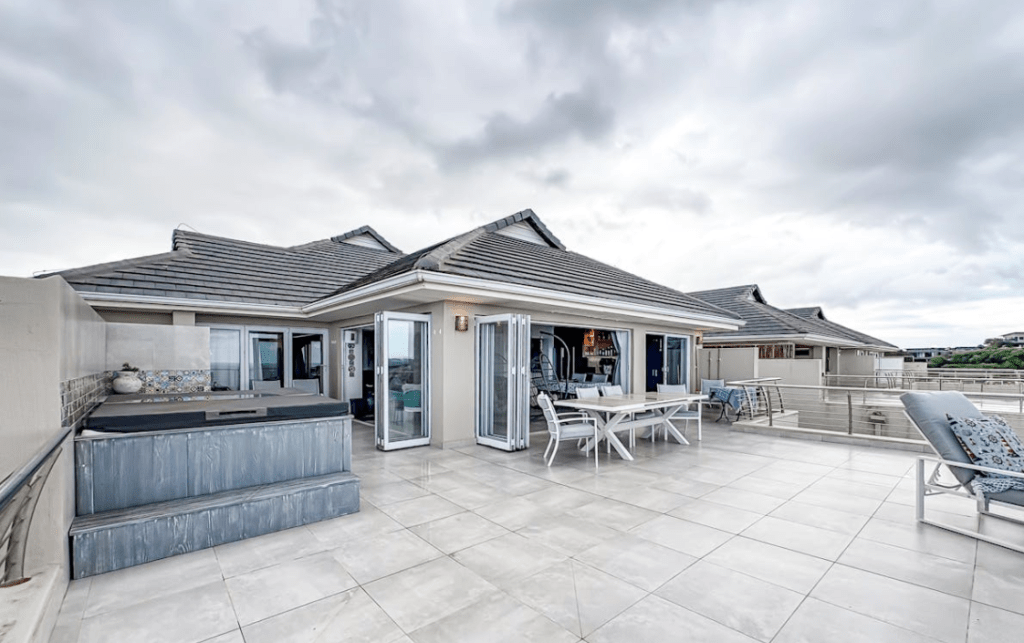
The experience of building a deck often comes with a better understanding of essential practices. Many home builders might underestimate the complexity of designing and constructing a safe and functional outdoor space. For those embarking on their first deck-building adventure, seeking out professionals with experience building decks and patios can help when navigating local codes, material choices, and design elements. Working with seasoned professionals ensures you receive informed advice tailored to your specific needs. It’s beneficial to look for contractors who specialize in deck installation.
They often provide insights based on previous projects, helping you avoid common missteps associated with amateur building. Their expertise allows them to foresee potential issues before they arise, which can save both time and money in the long run. Hiring a qualified contractor doesn’t mean relinquishing all control. An expert can guide you through the decision-making process, ensuring your deck reflects your taste and functional requirements while adhering to safety regulations.
Don’t Rush the Planning Phase
Every successful deck starts with thoughtful planning. Rushing through this phase can lead to an unfinished product or even safety concerns down the line. Begin with a good idea of how you want to use your space. Visualize whether you want room for a grill, outdoor furniture, or possibly even a hot tub. This will help dictate the size and layout of your new deck. Be mindful of your property’s layout and its relationship to your home.
Consider factors such as sunlight, shade, and privacy. These elements will impact your enjoyment of the space. A poor location can limit usability, making thoughtful placement doubly important. Don’t forget to check local building codes and zoning regulations as part of the planning process. These regulations dictate everything from deck height to railing requirements. Ensuring compliance upfront will save you from costly changes later.
Do Choose High-Quality Materials
The choice of materials can greatly affect the longevity and maintenance of your deck. Investing in high-quality wood or composite materials usually pays off over time. While cheaper options might seem appealing now, they often require more frequent repairs or replacements down the line. Pressure-treated lumber is a common choice for many builders, offering good durability and resistance to decay. Composite materials, made from a blend of wood fibers and plastic, offer additional benefits, such as less maintenance and a longer lifespan.
They remain colorfast and can withstand the elements far better than wood. Before making a final choice, consider the climate in your area. Some materials perform better in specific weather conditions, adding yet another layer to your decision-making process. Researching local climate will inform which materials serve you well in the long term.
Don’t Overlook Safety Features
Safety should be a priority at every stage of the deck-building process. Risks such as slipping and falling can turn a lovely deck into a hazardous place. Installing railings is a must, particularly if your deck is elevated. Ensure these are sturdy and meet local safety codes to protect everyone who uses your new space.
Incorporating non-slip surfaces can prevent accidents. Textured floors or special treatments help maintain traction during rainy or snowy conditions. Consider the lighting in your design as well, ensuring the area remains well-lit for evening use. Proper illumination not only enhances ambiance but also contributes to safety.
Do Maintain Your Deck Regularly
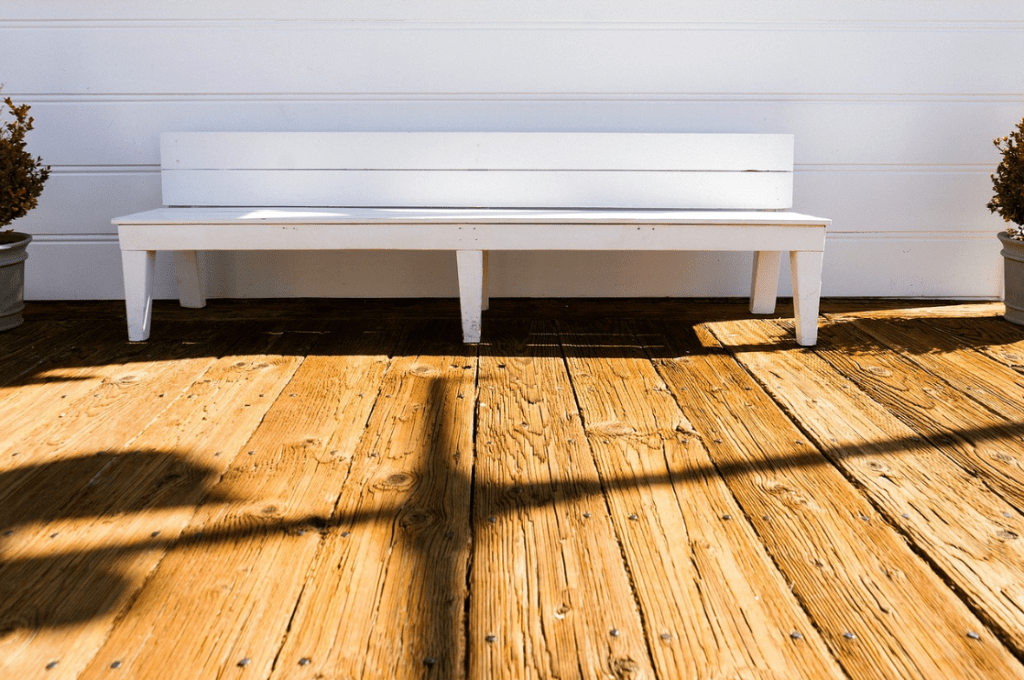
Owning a deck doesn’t end with the initial construction; regular maintenance is necessary to keep it in top shape. Periodic cleaning and inspections will help identify any problem areas before they escalate into larger issues. Make sure to clean surfaces seasonally to remove dirt, mold, and grime.
Frequent jet washing or scrubbing can alleviate the buildup that drains aesthetics and weakens the materials. Inspect for loose boards, screw issues, or signs of wood rot yearly. A proactive approach ensures your deck remains safe and appealing. It’s also a good practice to reseal or stain wooden decks every few years. This helps protect the wood from the elements and extends its life.
Don’t Forget About Furniture and Accessories
The deck should be a reflection of your style and enhance your enjoyment. Choosing the right outdoor furniture can transform your space into a cozy retreat or lively entertaining area. Consider materials that complement your deck’s design while also being resistant to outdoor conditions. Accessorizing with cushions, plants, and decorative elements can elevate the aesthetic of your deck.
Effective planning of these items will maximize comfort and usability. You can create separate zones within your space, catering to various activities from dining to relaxing. Planning your deck with both the structure itself and its accessories in mind ensures you have a fully functioning outdoor space catered to your needs.
Establishing a beautiful and functional deck requires attention to detail. With the right planning, materials, safety considerations, and maintenance routines, you can create an inviting outdoor space that complements your lifestyle. By trusting in the guidance of experts and adhering to these dos and don’ts, you can confidently embark on your deck-building journey.