



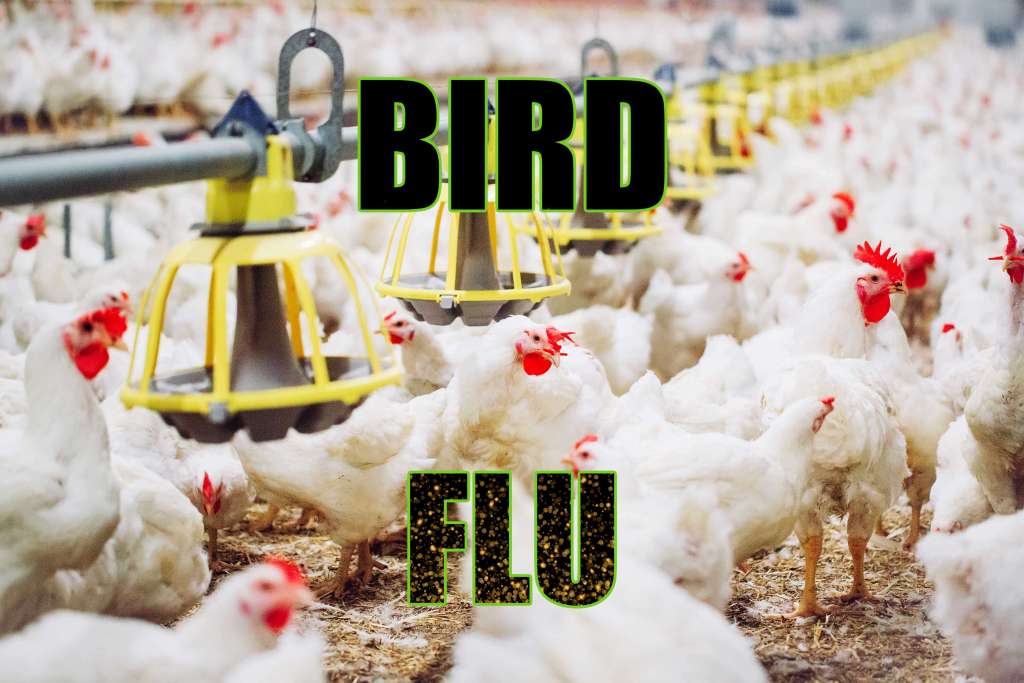
DES MOINES – The Iowa Department of Agriculture and Land Stewardship and the United States Department of Agriculture (USDA) Animal and Plant Health Inspection Service (APHIS) have detected a case of Highly Pathogenic Avian Influenza (H5N1 HPAI) in a multi-species backyard flock in Clinton County, Iowa. This is Iowa’s first detection of H5N1 HPAI within domestic birds in 2025.
About H5N1 HPAI
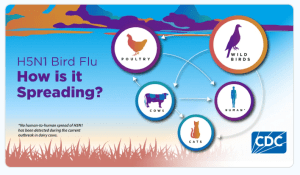
H5N1 HPAI is a viral disease that affects both wild and domestic bird populations. H5N1 HPAI can travel in wild birds without those birds appearing sick, but is often fatal to domestic bird populations, including chickens and turkeys. H5N1 HPAI can also impact dairy cattle, and 13 cases were detected in Iowa dairy herds in June of 2024. With supportive care, dairy herds recover with limited, or no mortality associated with the disease.
Heightened Biosecurity
The Iowa Department of Agriculture and Land Stewardship is strongly encouraging Iowa poultry producers and dairy farmers to bolster their biosecurity practices and protocols to protect their flocks and herds. In addition, the Department has numerous biosecurity resources for poultry producers and dairy and livestock farmers to reference on its website.
Suspected Cases in Poultry
If poultry producers or those with backyard birds suspect signs of H5N1 HPAI, they should contact their veterinarian immediately. Possible cases must also be reported to the Iowa Department of Agriculture and Land Stewardship at (515) 281-5305.
Clinical signs of H5N1 HPAI in birds may include:
Sudden increase in bird deaths without any clinical signs
Lethargy and/or lack of energy and appetite
Decrease in egg production
Soft, thin-shelled and/or misshapen eggs
Swelling of the head, eyelids, comb, wattles, and hocks
Purple/blue discoloration of the wattles, comb, and legs
Difficulty breathing
Coughing, sneezing, and/or nasal discharge (runny nose)
Stumbling and/or falling down
Diarrhea
Food Safety
It remains safe to enjoy eggs and poultry products. As a reminder, consumers should always properly handle and cook eggs and poultry products, including cooking to an internal temperature of 165˚F.
Public Health
The Centers for Disease Control (CDC) continues to believe the threat to the general public remains low. Any questions related to public health should be directed to the Iowa Department of Health and Human Services.
Wild and Migratory Birds
The Iowa Department of Natural Resources (DNR) asks those who find five or more sick or dead flocking birds within a week to report their findings to their local wildlife biologist or state conservation officer. Do not approach or bring home wild or migratory birds that appear sick or are deceased.