



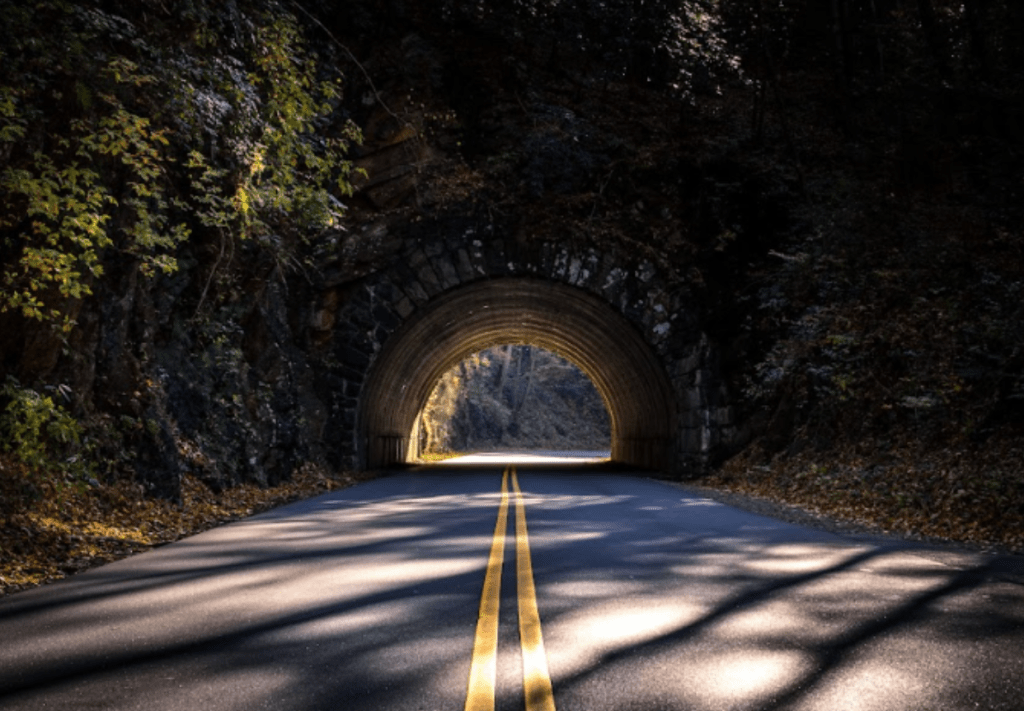
Nestled along the border between North Carolina and Tennessee, the Smoky Mountains beckon travelers with their breathtaking vistas and lush forests. Known for their mist-covered peaks, these mountains offer a range of outdoor activities that can satisfy nature lovers and adventure seekers alike. Whether you’re hiking through dense woodlands, capturing the perfect photograph, or simply enjoying the serene environment, a trip to the Smoky Mountains is unforgettable. However, to ensure a smooth and enjoyable experience, it’s essential to plan carefully and consider several key aspects before you embark on your journey.
Choosing the Best Time to Visit
Timing your visit to the Smoky Mountains can dramatically affect the quality of your experience. The region experiences four distinct seasons, each offering unique attractions. Spring brings blooming wildflowers and crisp weather, making it ideal for hiking and wildlife watching. Summer offers lush greenery and warmer temperatures, perfect for exploring the higher altitudes. Fall is famous for its spectacular display of foliage, with vibrant colors transforming the landscape. Winter, while colder, offers snow-covered scenes that are quiet and less crowded. For those seeking comfortable weather and moderate conditions, late spring and early fall are typically the best times to visit.
Camping Options
For accommodations, camping is a popular choice, providing a direct connection to the natural beauty of the Smoky Mountains. If you’re in the mood for RV camping in the Smoky Mountains, you’ll find a variety of well-equipped campgrounds that cater to RV travelers at Greenbrier Campground. Each site is distinct, accommodating everything from expansive RVs to smaller campers, with options for both back-in and pull-through accessibility. Sites include essential amenities such as water, sewer, electric, cable, and WiFi, alongside versatile electrical hookups with 50 amp, 30 amp, and 110 capabilities. Whether you prefer a riverfront view or a secluded wooded area, campgrounds like such provide a variety of settings to enhance your camping experience.
Packing Essentials
Packing appropriately is crucial for any trip to the Smoky Mountains, and bringing vacuum seal luggage can help you save space while keeping your gear organized and compact. The weather can be unpredictable, so it’s important to bring layered clothing that will keep you comfortable through warm days and cooler nights. Essential gear includes sturdy hiking boots for the trails, waterproof clothing for sudden downpours, and a first aid kit for unexpected injuries. Don’t forget to pack a map and compass, or a GPS device, as cell service can be spotty in more remote areas. Additionally, packing snacks and enough water is vital, especially if you plan on undertaking longer hikes or spending multiple days in the park.
Hiking and Trail Tips
The Smoky Mountains are home to over 800 miles of trails, ranging from easy walks to challenging hikes. Before hitting the trails, it’s important to assess your fitness level and choose routes that are manageable. Popular trails like the Alum Cave Bluffs trail to Mount LeConte offer stunning views but can be demanding. Always check the weather conditions before you depart, start early to avoid afternoon storms in the summer, and most importantly, stay on marked trails to preserve the environment and keep yourself safe. For those new to hiking, considering a guided tour can provide additional insights into the natural history and flora of the region.
Wildlife Watching
The Smoky Mountains are teeming with diverse wildlife, including black bears, deer, and myriad bird species. While wildlife watching can be a thrilling part of your visit, it’s essential to do so responsibly. Keep a safe distance from all wildlife, use binoculars for close-up views, and never feed the animals. Understanding the habits of wildlife, such as the active times for bears during the day, can enhance your chances of sightings while ensuring your safety. Early morning or late evening are typically the best times for wildlife watching when animals are most active.
Photography Advice
Capturing the ethereal beauty of the Smoky Mountains requires some forethought, especially if you’re aiming to bring home professional-quality images. The light during golden hour—shortly after sunrise or just before sunset—provides soft, diffused lighting that can dramatically enhance your photos. Be sure to carry a tripod for stability, especially in low light conditions, and consider a polarizing filter to manage reflections and enhance the sky’s blue tones. Experimenting with different perspectives and focal lengths can also help capture the grandeur of the landscapes. Always be ready for unexpected weather changes, which can offer dramatic photographic opportunities with mist and clouds.
Local Cuisine and Dining
Exploring the Smoky Mountains also offers a chance to indulge in local cuisine, characterized by hearty, comforting dishes. The area is renowned for its Southern cooking, with specialties like smoked barbecue, fresh trout, and home-style biscuits. Many small towns around the mountains boast family-owned restaurants that serve locally-sourced, traditional meals. Sampling these local flavors not only enriches your travel experience but also supports the regional economy. Don’t miss out on visiting local farmers’ markets for fresh produce and homemade crafts, which often offer unique and tasty treats.
Navigating the Terrain
Traveling through the Smoky Mountains can be challenging due to its expansive terrain and sometimes steep or winding roads. Planning your travel route in advance is crucial, especially if you’re driving an RV or pulling a trailer. Make sure your vehicle is in good condition, as mountain driving can be taxing on brakes and engines. It’s advisable to carry a physical map in addition to GPS, as signal reception can be unreliable. Knowing the locations of visitor centers, where you can ask for directions and receive up-to-date park information, is also helpful.
Respecting Nature and Leave No Trace Principles
As you immerse yourself in the natural beauty of the Smoky Mountains, it’s important to practice Leave No Trace principles. This means packing out everything you bring in, staying on designated trails to protect the undergrowth and wildlife habitats, and being mindful of campfire rules. Respecting these guidelines helps preserve the park’s pristine condition and ensures that future visitors can enjoy the same beautiful environment. Additionally, always check local regulations before your visit, as guidelines can vary depending on the season and park zone.
In conclusion, the Smoky Mountains offer an enriching escape into nature, with endless opportunities for adventure, relaxation, and cultural immersion. By visiting at the right time, preparing appropriately, and respecting the natural environment, you can have a fulfilling and memorable experience. Whether you’re trekking through rugged trails, capturing stunning landscapes, or enjoying local Southern fare, the Smokies provide a backdrop that’s as invigorating as it is soothing. Remember, a well-planned trip is the key to making the most of all that this majestic region has to offer.