


Solar energy is one of the most accessible and sustainable power sources available, and portable solar generator have become popular for their ability to provide backup power in both homes and outdoor settings. However, weather conditions can significantly influence the efficiency of solar generators. From sunny days to cloudy, rainy, or even extreme temperatures, each scenario impacts solar performance differently. Understanding how these factors affect your portable solar generator is crucial for ensuring reliable power generation throughout the year.
The Role of Weather in Solar Power Generation
Weather plays a crucial role in determining how effectively a portable solar generator performs. Solar generators rely on capturing sunlight through photovoltaic (PV) panels to convert it into usable energy, meaning their efficiency can fluctuate based on the availability and intensity of sunlight. On bright sunny days, they tend to perform at peak levels, while cloudy skies, rain, and temperature extremes can present challenges. Despite these variations, advances in solar technology allow generators to function under diverse weather conditions, making them a versatile choice for both home backup and off-grid power needs. To fully optimize your portable solar generator, it’s important to know how different weather conditions impact performance and how to address these challenges.
How Portable Solar Generators Perform on Cloudy Days
Cloudy weather is one of the most common obstacles to solar energy production. Since solar panels rely on direct sunlight, the absence of clear skies can significantly reduce their efficiency. However, modern portable solar generators are designed to perform even in overcast conditions, though the power output will be lower than on a sunny day.
Impact of Reduced Sunlight on Energy Production
When clouds block the sun, solar panels still receive diffuse sunlight, but the intensity is greatly reduced. Typically, solar panels can operate at about 10-25% of their maximum capacity under thick clouds. While this may not be enough to power energy-hungry appliances continuously, it is often sufficient to charge batteries slowly or keep smaller devices like phones and lights running.
Ways to Maximize Output in Low-Light Conditions
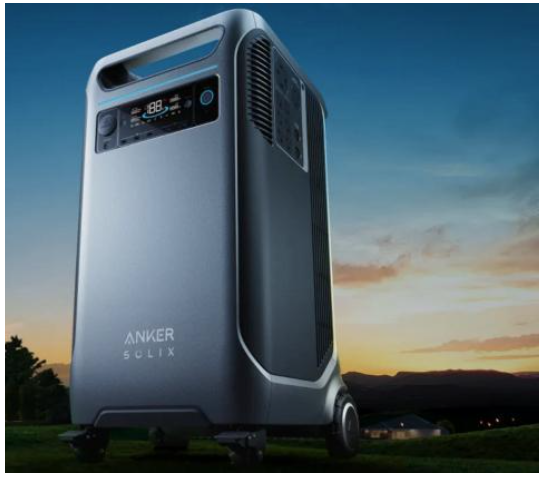
To get the most out of your solar generator on cloudy days, you can use a few strategies. First, ensure that your solar panels are placed at the optimal angle to capture as much light as possible. Even in diffused sunlight, proper panel orientation can improve energy capture. Additionally, using solar generators like the Anker SOLIX F3800 Solar Generator—with its 2,400W solar input—can help maximize energy storage on low-light days, ensuring that you can still power essential devices when needed. Finally, investing in high-efficiency solar panels designed to work in lower light conditions will boost overall performance on cloudy days.

Rainy Weather: Are Solar Generators Still Effective?
Rainy weather presents another challenge for solar power generation. While rain reduces the amount of sunlight reaching your solar panels, it also provides an unexpected benefit by cleaning dust and debris from the surface, improving long-term efficiency. Solar panels will produce significantly less energy on rainy days, as clouds further diminish the sunlight available. However, portable solar generators are built to handle outdoor conditions, and most are waterproof or weather-resistant. This ensures that even during rain, the solar panels and generator can function safely without damage. To make the most of rainy weather, it’s a good idea to fully charge your solar generator before storms hit, using any available sunlight to store as much energy as possible.
Extreme Heat and Solar Panels: Benefits and Challenges
Extreme heat can be a double-edged sword for solar panels. On the one hand, clear skies and intense sunlight can lead to high levels of energy production, but on the other hand, excessive heat can reduce the efficiency of solar cells.
Managing Overheating Issues in High Temperatures
Solar panels, like most electronic devices, can suffer from decreased performance when temperatures soar. This is because high heat increases the electrical resistance within the panels, reducing the amount of power they can generate. In some cases, overheating can even damage the components of your solar generator. To avoid this, make sure your solar panels are well-ventilated and shaded from extreme heat when possible. Solar generators like Anker’s product are designed with durable components and a built-in cooling system to minimize the risks of overheating, ensuring they continue to function even in sweltering conditions.
Solar Panel Efficiency During Hot Weather
While solar panels may experience efficiency drops due to high temperatures, they still tend to perform well in direct sunlight. However, the efficiency loss from heat is typically around 10-15%. Ensuring your solar generator is properly ventilated and not placed directly on hot surfaces, like pavement or roofs, can help mitigate these effects. Setting up the panels in areas with good airflow and moderate shade during peak heat hours can prevent overheating and ensure sustained power generation throughout the day.
Cold Weather Performance: What to Expect in Winter
Cold weather can be surprisingly favorable for solar energy production. Solar panels are more efficient in colder temperatures, as the lower ambient heat reduces electrical resistance, allowing them to produce more energy per unit of sunlight. However, shorter daylight hours and potential snow buildup on solar panels can reduce overall energy production in winter. To maintain efficiency, clear snow off the panels regularly and ensure they are positioned at an optimal angle to capture the maximum available sunlight. In extreme winter conditions, a solar generator like the Anker SOLIX F3800 with expandable battery capacity is an ideal solution. The extra storage can compensate for reduced sunlight hours, ensuring you have enough power stored to handle longer outages or off-grid use.
Best Practices for Weather-Resistant Solar Generators
When choosing a solar generator for all-weather use, look for features that support durability and adaptability. The Anker SOLIX F3800 Solar Generator, for example, is equipped with long-lasting LFP batteries that provide a reliable power source for up to 10 years, and its robust construction can withstand various environmental factors. This model’s 5-year hassle-free warranty and high-quality components ensure peace of mind, even in challenging conditions. Its app-based energy monitoring system allows you to track performance in real-time, making it easier to manage energy usage in unpredictable weather.
Conclusion
Solar generators provide an excellent, eco-friendly solution for backup power, but understanding how they function in different weather conditions is crucial for optimal performance. Cloudy days, rain, heat, and cold all affect solar energy production, but with the right generator, you can mitigate these challenges. By using high-quality solar panels, efficient energy storage, and proper setup techniques, you’ll ensure that your generator is ready to power your home, no matter the weather.