



Pest infestations are more than just a nuisance; they pose significant risks to health, property, and overall quality of life. Yet, many homeowners and business owners tend to ignore early signs of pest problems, hoping they’ll go away on their own. This blog post will delve into the dangers of ignoring pest infestations, highlighting the potential consequences and underscoring the importance of timely intervention.

Preventative Measures and Timely Intervention
The key to mitigating the dangers of pest infestations is early detection and prompt intervention. Regular inspections, maintaining cleanliness, and sealing entry points can help prevent pests from gaining a foothold. Professional pest control services can provide comprehensive solutions to both prevent and address infestations, experts from Orkin Pest Control services explain.
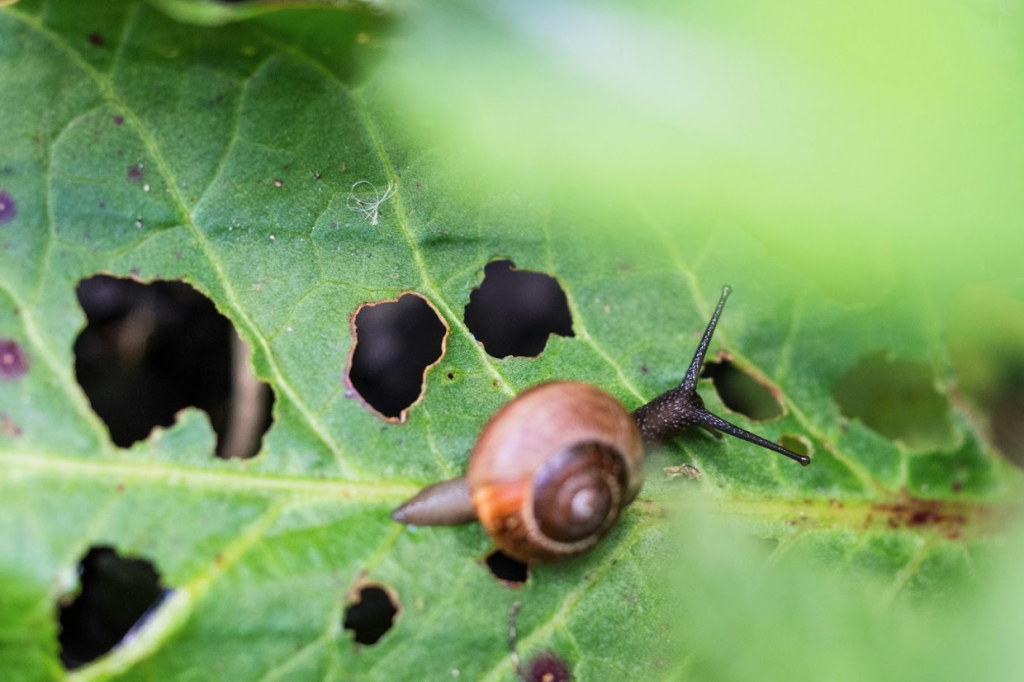
It’s crucial to recognize the signs of an infestation early on. These signs can include droppings, unusual noises (such as scratching or scurrying), gnaw marks, damaged plants or crops, and sightings of the pests themselves. Taking action at the first sign of trouble can prevent the situation from escalating into a full-blown infestation.
Ignoring pest infestations can lead to a cascade of problems, from health risks and property damage to economic losses and environmental harm. The psychological burden of living with pests is another compelling reason to address infestations promptly. By being proactive and vigilant, homeowners and business owners can protect their health, property, and peace of mind.
Health Risks
One of the most immediate and serious dangers of ignoring pest infestations is the threat to health. Pests such as rodents, cockroaches, and mosquitoes are known carriers of various diseases. Rodents, for instance, can spread Hantavirus, leptospirosis, and salmonella. Their droppings and urine can contaminate surfaces and food, leading to severe illness.
Cockroaches are another significant health hazard. They can trigger asthma and allergies, especially in children. Their droppings, saliva, and shed skin contain allergens that can cause intense allergic reactions. Additionally, cockroaches are vectors for pathogens like E. coli and Salmonella, which can lead to food poisoning and gastrointestinal issues.
Mosquitoes, perhaps the most notorious pest, are vectors for diseases such as malaria, dengue fever, Zika virus, and West Nile virus. Ignoring a mosquito infestation can have dire consequences, particularly in regions where these diseases are prevalent.
Property Damage
Pests can cause extensive property damage, often before the infestation is even detected. Termites are a prime example of this. These wood-destroying insects can compromise the structural integrity of a building, causing thousands of dollars in damage. Termites feed on wood from the inside out, often remaining unnoticed until significant damage has occurred.
Rodents are also destructive pests. They chew through wires, insulation, and even structural components of buildings. This not only causes direct damage but also poses a fire hazard due to exposed electrical wiring. Additionally, rodents often build nests in attics, basements, and walls, using shredded materials that can further damage insulation and drywall.
Carpenter ants, like termites, can cause significant damage to wooden structures. They excavate wood to create their nests, weakening beams, floors, and walls. Ignoring a carpenter ant infestation can result in costly repairs and potentially dangerous living conditions.
Economic Impact
Ignoring pest infestations can lead to substantial economic losses. The cost of repairing damage caused by pests can be exorbitant. For businesses, the presence of pests can lead to lost revenue, reputational damage, and regulatory fines. For example, restaurants with pest problems may fail health inspections, resulting in temporary or permanent closure.
In the agricultural sector, pest infestations can devastate crops, leading to significant financial losses for farmers. Pests such as locusts, aphids, and weevils can destroy entire fields of crops, affecting food supply and causing price increases.
Environmental Consequences
Pest infestations can also have broader environmental impacts. The use of pesticides and other pest control methods, if not managed properly, can harm non-target species and disrupt local ecosystems. Invasive pests can outcompete native species for resources, leading to a decline in biodiversity.
For example, the emerald ash borer, an invasive beetle, has decimated ash tree populations in North America. This not only affects the trees themselves but also the wildlife that depends on them for habitat and food. Ignoring infestations of such invasive species can lead to irreversible ecological damage.
Psychological Effects
Living with a pest infestation can take a significant psychological toll. The constant stress and anxiety of dealing with pests can lead to sleep disturbances, reduced quality of life, and even mental health issues such as depression and anxiety. For those with phobias related to specific pests, the presence of these creatures can be particularly distressing.
In conclusion, the dangers of ignoring pest infestations far outweigh the temporary inconvenience or cost of dealing with them. Investing in preventative measures and seeking professional help when needed are essential steps in safeguarding our homes, businesses, and communities from the myriad threats posed by pests.