


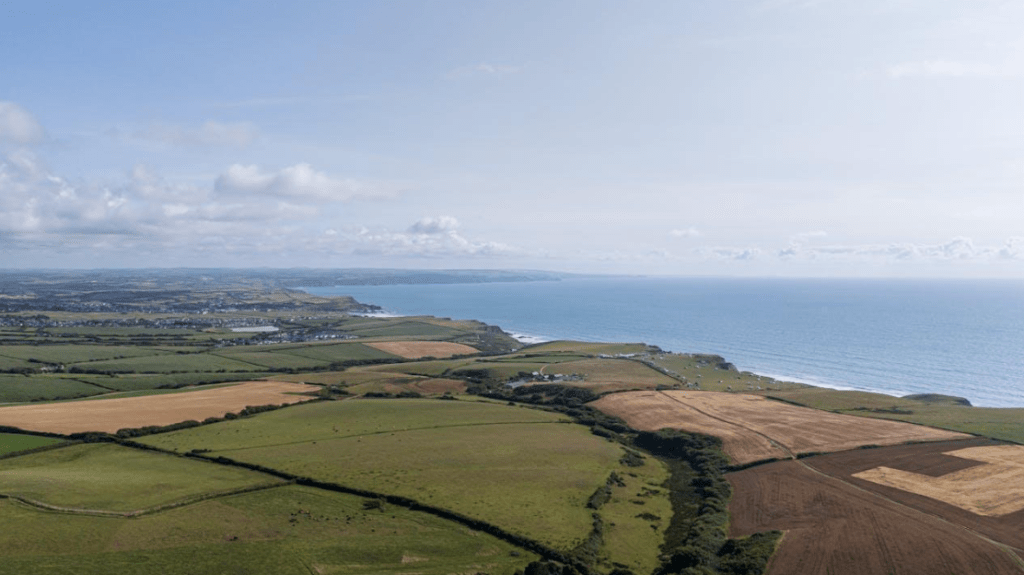
Upgrading infrastructure and modernising construction projects will boost rural economies. These programs create jobs quickly and establish the framework for continued growth. Simple structures, dynamic public spaces, and better transport links boost the economy. Design-and-build partners like MSB Group can target development in smaller locations, driving investment. Modern construction and careful planning attract retail, hotel, education, and healthcare companies to these new buildings. A domino effect of such investment boosts the local economy.
Making Jobs and Chances to Learn New Skills
One of the benefits of modern development is that it creates new job opportunities in remote areas. To finish large projects, you need to know how to handle manual tasks, specialised engineering, and project management. These involve working with your hands and managing projects. This demand generates direct jobs, training, and apprenticeships for locals. Learning relevant skills makes job seekers more competitive, strengthening the economy. Qualified workers attract more investment over time since businesses are more inclined to locate there.
Making Infrastructure Better to Help Businesses Grow
Improved infrastructure helps rural businesses prosper. Upgrades should include roads, utilities, and high-speed internet. Modern building methods speed up and minimise update costs, decreasing disruptions and ensuring benefits. Improved infrastructure makes markets accessible, decreases business expenses, and increases supply chain reliability. Business owners and multinationals seeking expansion beyond cities choose rural areas. This makes rural towns desirable.
Attracting Private Sector Investment
High-quality construction projects, both in terms of appearance and functionality, can demonstrate a community’s readiness for economic growth. New industrial parks, community centres, and important road upgrades may offer private investment opportunities. When investors perceive actual benefits, they are more likely to invest in businesses aligned with their projects, such as restaurants, stores, and services. Completing projects together generates more revenue. This wealth makes the local economy more diverse and stable over time.
Improving the Quality of Life and Stability of Workers
We must attract and retain new firms and individuals to bolster the economy. Modern development initiatives can enhance rural life by introducing schools, hospitals, parks, and housing. By giving modern infrastructure and conveniences, rural populations can shrink. People are more likely to stay. Stability allows long-term economic growth.
Helps Communities Stay Strong Throughout Time
Building carefully meets current demands and strengthens resilience against potential future problems. Modern architecture can make rural areas more sustainable. Buildings that can withstand floods help people adapt to the effects of climate change. Renewable energy also reduces utility costs.
Conclusion
Modern rural buildings that prioritise community needs can enhance the economy and society. These projects showcase the potential to boost local businesses, create jobs, and attract investment. They may streamline services, improve infrastructure, and boost local businesses. These adjustments make community members happy and in charge. Local culture and values guide community planning and decision-making, helping to retain the town’s character. These projects prepare rural areas for changes in weather, economy, and demographics. Eco-friendly building and adaptive designs do this. These projects help rural communities gain power and independence. Rural communities learn to develop resources, meet needs, and exploit modern opportunities without sacrificing their traditions. The result is a healthy, adaptable civilisation that can grow sustainably while remaining true to its roots.